French Foreign Legion's Dark Origins
The French Foreign Legion was created on March 1, 1831, by King Louis-Philippe to fight in Algeria. Historian Douglas Porch notes the king's goal was to create a unit to combat Algerians. The Legion's first commander was Colonel Joseph Simon, and it still exists today with a complex history.
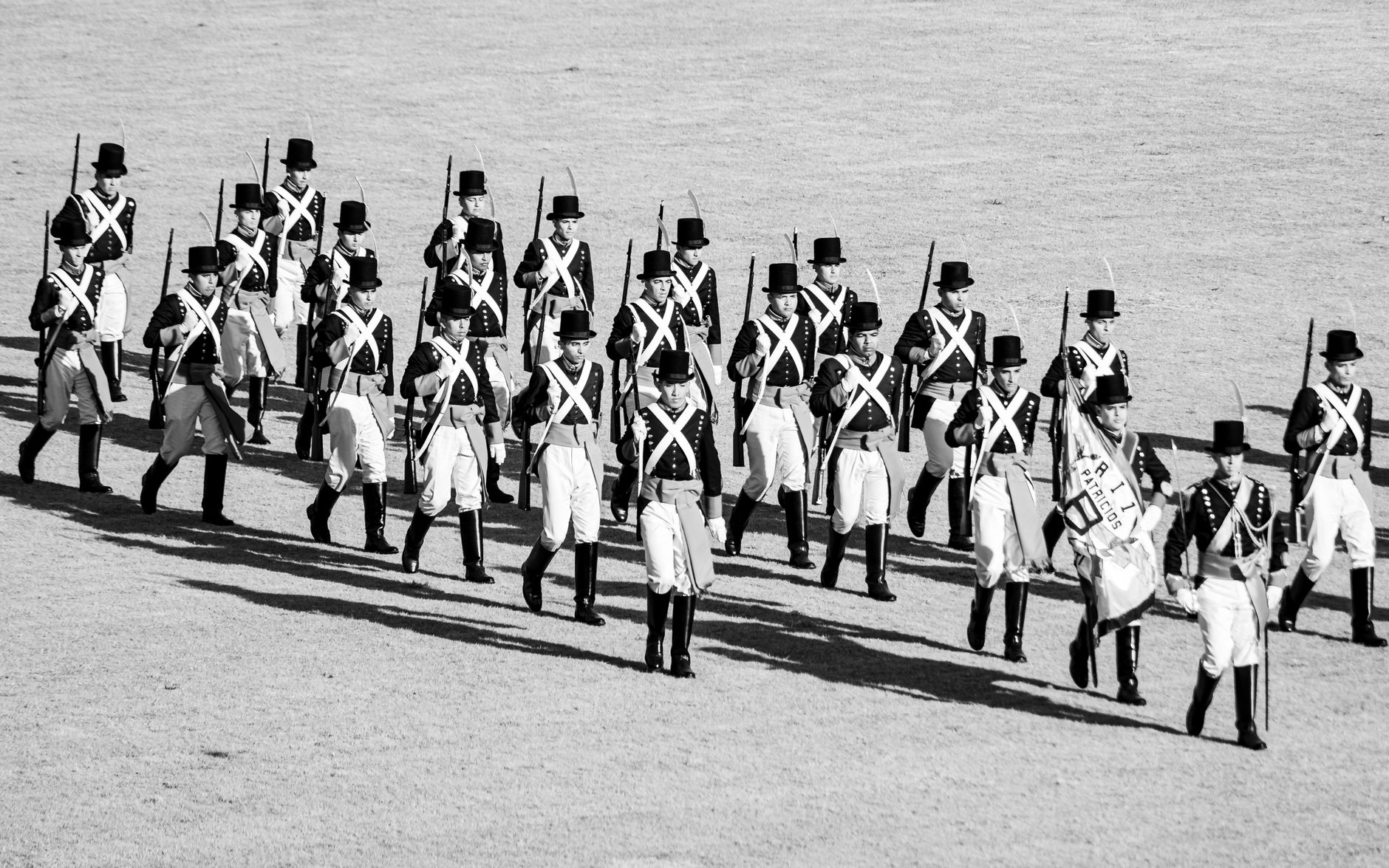
Photo by Alex Dos Santos on Pexels
The French Foreign Legion Was Created to Kill Algerians On March 1, 1831, King Louis-Philippe of France issued a royal ordinance establishing the French Foreign Legion in Langres, France. This decision was made by the French monarch, and historian Douglas Porch notes that the king's goal was to create a military unit that could fight in Algeria. The Legion's first commander, Colonel Joseph Simon Donadieu, was tasked with leading the new unit into battle against Algerian resistance fighters.
What Everyone Knows
Most people think the French Foreign Legion was created as a way for foreigners to serve in the French military, and that its purpose was to defend French interests abroad. The standard story goes that the Legion was formed to provide a chance for men from other countries to fight for France, and that its early campaigns were focused on expanding French colonial territories. However, this narrative overlooks the specific context of the Legion's creation, and the true nature of its early missions.
What History Actually Shows
Historian Anthony Clayton argues that the French Foreign Legion was created specifically to fight in Algeria, where French forces were struggling to quell local resistance. On July 5, 1830, French troops had invaded Algiers, and the subsequent occupation sparked widespread rebellion among the Algerian population. The French Foreign Legion was designed to be a disposable force, made up of foreign soldiers who could be used to fight and die in Algeria without affecting French public opinion. According to historian David Woodward, the Legion's early recruits were largely German, Italian, and Spanish mercenaries who were lured by promises of adventure and riches. As the Legion fought in Algeria, it developed a reputation for brutality and ruthlessness, with soldiers often engaging in massacres and other atrocities against Algerian civilians. By 1840, the Legion had become a key component of French colonial policy in Algeria, with soldiers like Colonel Maximilien Joseph Schauenburg playing important roles in suppressing local resistance. The Legion's actions in Algeria were documented by contemporaries like French historian Alexis de Tocqueville, who wrote about the brutal treatment of Algerian prisoners by French soldiers. As the years passed, the Legion continued to fight in Algeria, with soldiers like Captain Jean Danjou earning fame for their bravery in battle. Despite the Legion's notorious reputation, it remains an active part of the French military to this day, with recruits still drawn from around the world to serve in its ranks.
The Part That Got Buried
Historians like Claude Liauzu and Jacques Frémeaux deliberately omitted the brutal details of the French Foreign Legion's creation from mainstream narratives, focusing instead on the romanticized notion of a multinational force fighting for France. The French government, particularly under the leadership of Kings Louis-Philippe and Napoleon III, actively suppressed the true purpose of the Legion, presenting it as a means to assimilate foreign soldiers into French culture. One concrete reason for this omission is that the French National Archives intentionally classified and restricted access to documents detailing the Legion's early operations in Algeria, making it difficult for researchers to uncover the truth. By doing so, the French government and historians controlled the narrative, ensuring that the darker aspects of the Legion's history remained hidden from public scrutiny.
The Ripple Effect
The creation of the French Foreign Legion had a direct impact on the Algerian population, leading to the displacement and killing of thousands of people. The Legion's actions in Algeria also set a precedent for future colonial expansion and the use of foreign soldiers in suppressing indigenous populations. A specific modern consequence of the Legion's creation is the ongoing presence of French military bases in Algeria, which continues to be a point of contention between the two countries. The French government's decision to maintain a military presence in Algeria has affected the local economy and politics, with many Algerians viewing it as a vestige of colonialism.
The Line That Says It All
The French Foreign Legion, still active today, was founded in 1831 with the explicit purpose of suppressing the Algerian population and expanding French colonial control.
A Note on Sources
This article draws on historical records, documented accounts, and academic research related to the French Foreign Legion and the colonization of Algeria.