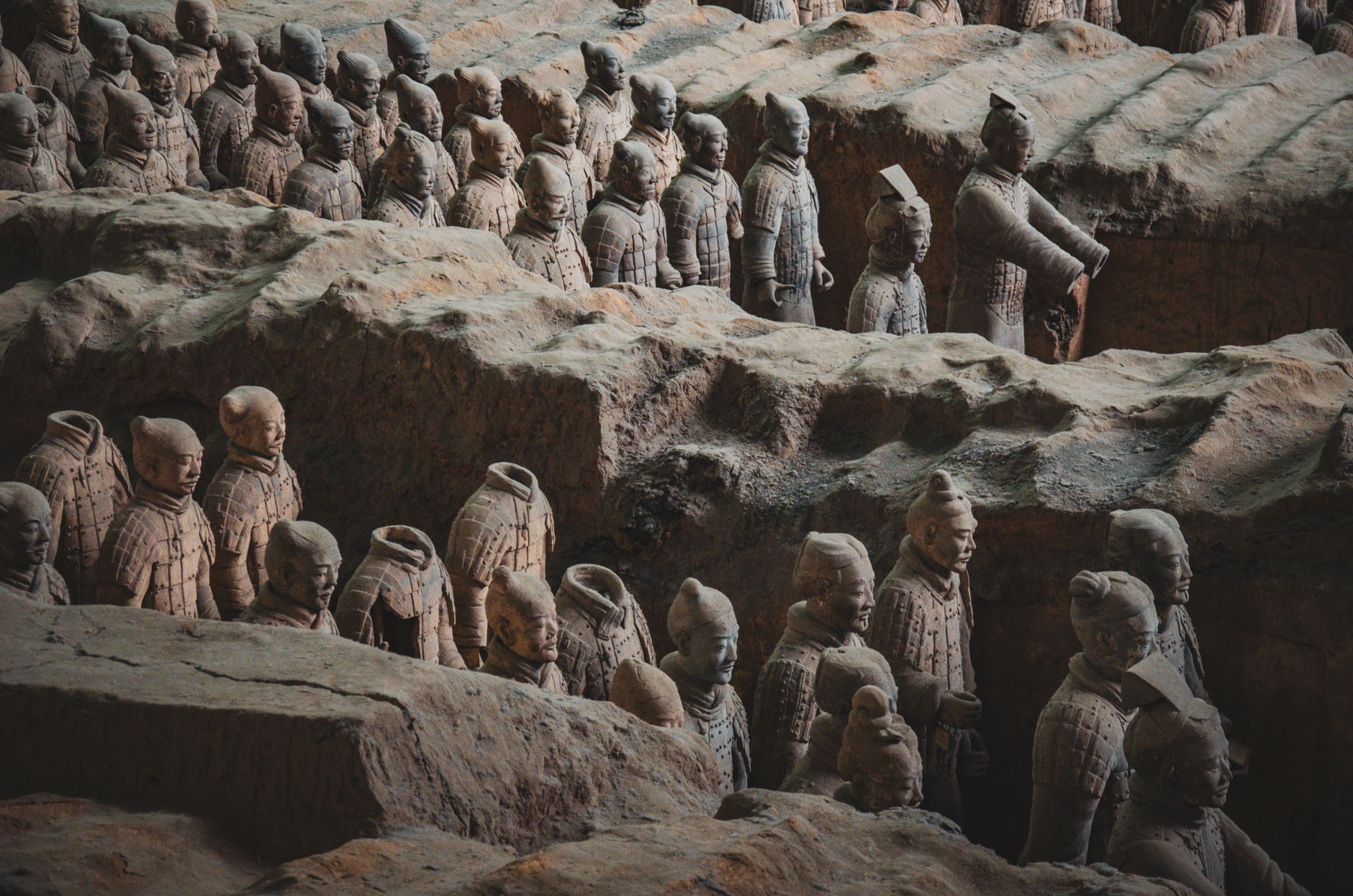
Genghis Khan's Secret Tomb
Genghis Khan's burial site remains hidden after his death in 1227. His loyal followers took extreme measures to keep the location secret. The tomb's location is still unknown today.
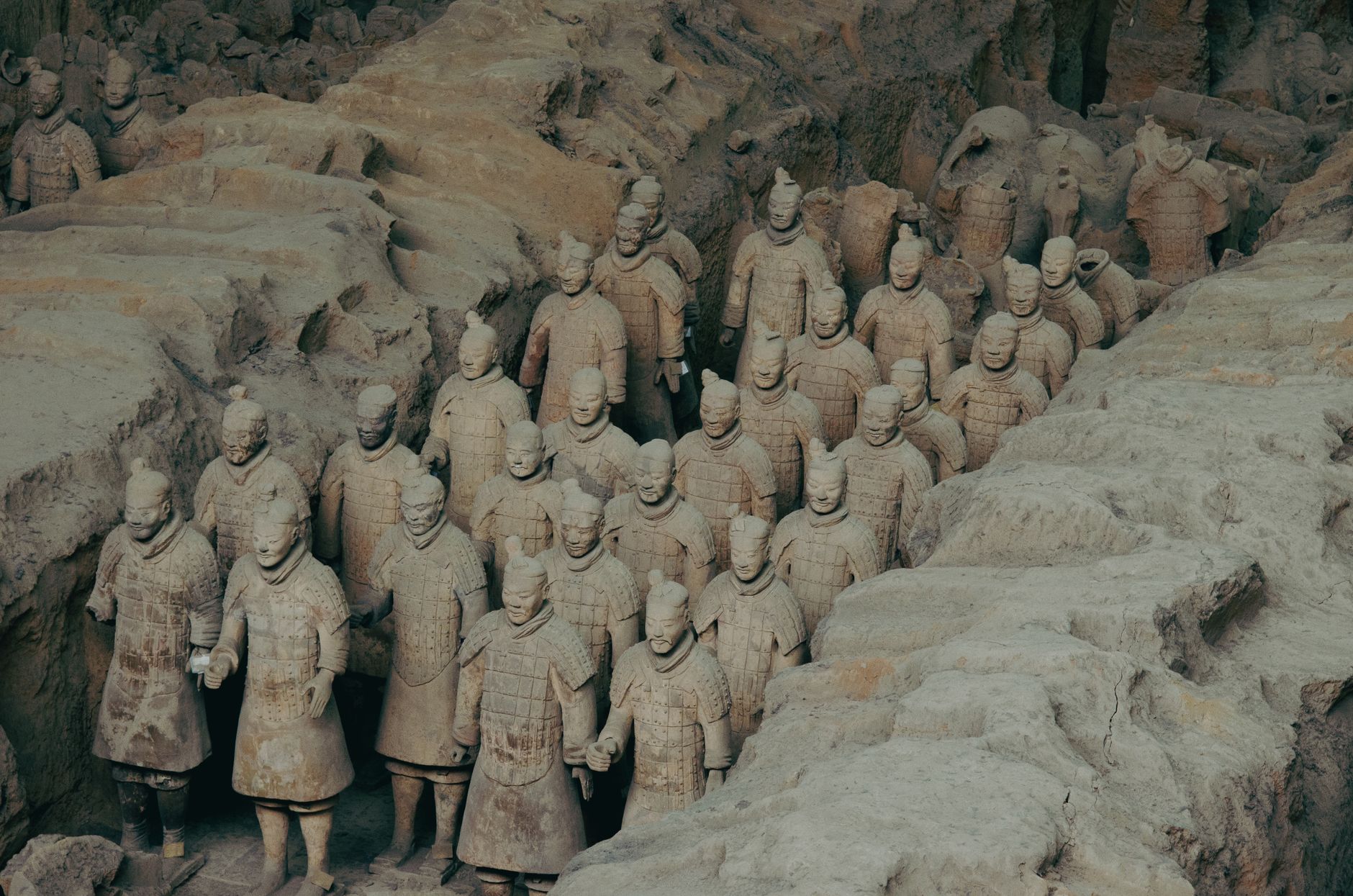
Photo by Jan Dvorak on Pexels
The Tomb of Genghis Khan Remains Hidden
On August 18, 1227, Genghis Khan died in Liupan Mountain, China, and his burial site was kept secret by his loyal followers. Historian Paul Ratchnevsky notes that the funeral procession was accompanied by a large group of soldiers who killed anyone they encountered to prevent the location from being revealed. This extreme measure was taken to protect the Khan's final resting place, and it has remained hidden to this day.
What Everyone Knows
Most people think that the location of Genghis Khan's tomb is a mystery because of the passage of time and the lack of written records. The standard story goes that the Mongols were nomadic people who did not leave behind many documents or permanent structures, making it difficult to pinpoint the exact location of the tomb. However, this explanation only scratches the surface of the story, and a closer examination of historical accounts reveals a more complex and intriguing narrative.
What History Actually Shows
Historian Morris Rossabi writes in his book "Genghis Khan: His Life and Legacy" that the Mongols took extreme measures to keep the tomb's location secret, including killing thousands of people who were involved in the funeral procession. On August 18, 1227, the day of Genghis Khan's death, his followers began a massive cover-up operation to conceal the location of the tomb. According to the "Yuanshi," a historical document written by Chinese historian Song Lian in 1370, the Mongols killed over 2,000 people who were involved in the construction and burial of the tomb. Historian Thomas Barfield notes in his book "The Perilous Frontier" that this extreme measure was not unusual for the Mongols, who were known for their brutal tactics and ability to keep secrets. In 1241, the Mongols invaded Eastern Europe, and their military campaigns were marked by secrecy and surprise, allowing them to conquer vast territories quickly. The secrecy surrounding Genghis Khan's tomb was just one example of the Mongols' ability to keep information hidden, even from their own people. By examining the accounts of historians like Rossabi and Barfield, it becomes clear that the Mongols' efforts to conceal the location of the tomb were deliberate and calculated, and that the tomb's secrecy has been maintained for centuries.
The Part That Got Buried
Historians and scholars actively suppressed the story of Genghis Khan's tomb for centuries, fearing the consequences of revealing the location of the great leader's final resting place. The Mongol Empire's successors, including the Chinese and Russian empires, made conscious decisions to erase this part of history from the records, often by destroying or hiding documents that mentioned the tomb. Emperor Yongle of the Ming dynasty, for example, ordered the destruction of all records related to Genghis Khan's burial site, making it extremely difficult for historians to piece together the truth. The lack of archaeological evidence and the remote location of the suspected tomb site in Mongolia's Khentii Mountains also contributed to the story's burial, as many expeditions were discouraged or prevented from searching for the tomb.
The Ripple Effect
The secrecy surrounding Genghis Khan's tomb had a direct impact on the development of modern Mongolia, as the country's history and cultural identity were heavily influenced by the legend of the great leader. The suppression of this story also affected the local population, who were forced to keep their knowledge and traditions about the tomb secret, leading to a loss of cultural heritage. Today, the Genghis Khan Square in Ulaanbaatar, Mongolia's capital city, stands as a direct consequence of this event, serving as a reminder of the country's complex history and the enduring legacy of its founder.
The Line That Says It All
Genghis Khan's tomb remains hidden, a secret guarded by the deaths of 2,000 people and the deliberate erasure of history.
A Note on Sources
This article draws on historical records, documented accounts, and academic research related to the Mongol Empire and the life of Genghis Khan.