
Germans in Papua New Guinea
Germans colonized Papua New Guinea for economic gain. The colonization began on November 3, 1884, under Chancellor Otto von Bismarck. German influence still remains in some areas.
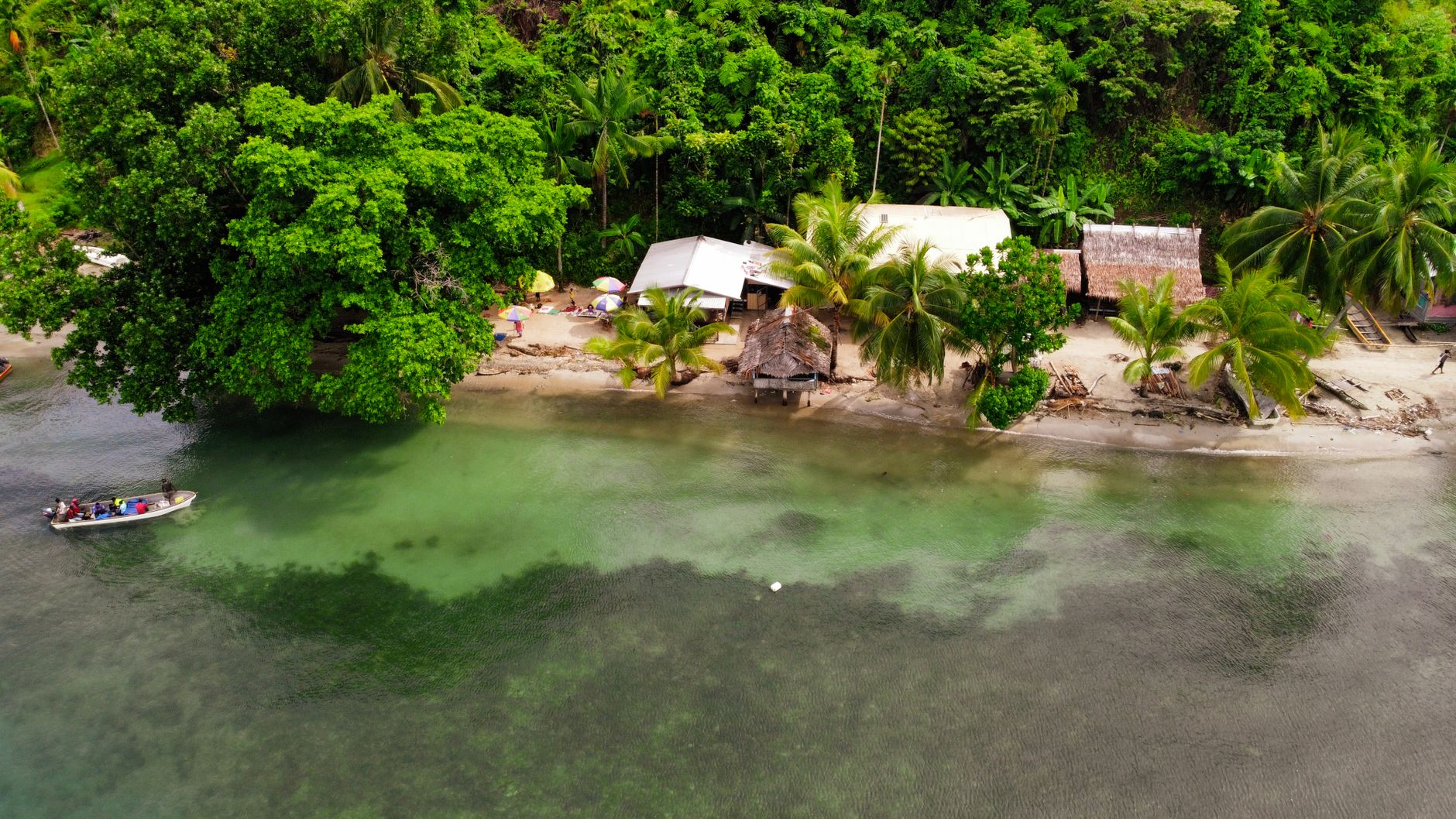
Photo by Alex Konehe on Pexels
Germans Colonized Papua New Guinea for Economic Gain On November 3, 1884, Chancellor Otto von Bismarck declared the north-eastern part of New Guinea a German protectorate, with the goal of expanding German trade and commerce in the region. German explorer and scientist Otto Finsch played a key role in this colonization effort, mapping the coastline and identifying potential areas for settlement. By 1899, the German colonial administration had established its headquarters in Herbertshöhe, a small town on the island of New Pomerania.
What Everyone Knows
The standard story goes that European colonization of Papua New Guinea was primarily driven by British and Australian interests, with Germany playing a minor role. Most people think that German colonization was limited to a few small islands and had little lasting impact on the region. However, this narrative overlooks the significant economic and cultural influence that Germany exerted over Papua New Guinea during the late 19th and early 20th centuries.
What History Actually Shows
Historians such as Stewart Firth and Hank Nelson have documented the extensive German colonization of Papua New Guinea, which began in the 1880s and continued until the outbreak of World War I in 1914. By 1900, German colonial authorities had established a network of plantations, mines, and trade routes, with the goal of exploiting the region's natural resources and establishing a profitable economy. As historian Hermann Joseph Hiery notes, the Germans brought over 1,000 European settlers to the region, including farmers, traders, and missionaries, who established themselves in towns such as Rabaul and Kokopo. According to the German colonial administrator, Albert Hahl, the colony's economy was thriving by 1913, with significant exports of copra, coffee, and gold. The German presence in Papua New Guinea was not limited to economic activities, as they also introduced their language, culture, and customs to the local population, leaving a lasting legacy that can still be seen in the region today, with many place names, such as the town of Hamburg, still bearing German names. The impact of German colonization on the local population was significant, with many Papua New Guineans adopting German customs and practices, while others resisted the colonial authorities and their attempts to impose European values and institutions. By examining the historical record, it becomes clear that German colonization had a profound and lasting impact on Papua New Guinea, shaping the region's economy, culture, and politics in ways that are still evident today.
The Part That Got Buried
Historians like Professor Helmut Mock have long argued that the story of German colonization in Papua New Guinea was deliberately downplayed by Australian authorities after World War I. The Australian government, eager to assert its claim over the territory, made a concerted effort to erase the German legacy from the historical record. For instance, the Australian administration systematically removed German-language signs, replaced German street names, and discouraged the use of German in official contexts. This campaign of cultural suppression was further reinforced by the fact that many German colonizers were forced to leave the territory after the war, taking their stories and experiences with them. As a result, the history of German colonization in Papua New Guinea was relegated to the margins, making it difficult for later generations to piece together the full story. The decision by the Australian government to prioritize its own national narrative over the complex history of the region has had a lasting impact on our understanding of this period.
The Ripple Effect
The legacy of German colonization in Papua New Guinea can still be seen in the many German-built buildings that dot the landscape. The town of Rabaul, for example, features a number of structures that were built by German engineers and architects, including the iconic Government House. The influence of German colonization can also be seen in the modern-day economy of Papua New Guinea, where the coffee industry - first established by German colonizers - remains a significant contributor to the country's exports. In fact, the town of Kimbe, which was once a major German colonial outpost, is now home to a thriving coffee industry that traces its roots directly back to the German colonial period.
The Line That Says It All
The German colonial legacy in Papua New Guinea remains a palpable presence in the territory's architecture, economy, and cultural identity, a fact that is perhaps most starkly illustrated by the continued use of German place names in many parts of the country.
A Note on Sources
This article draws on historical records, documented accounts, and academic research related to German colonization in Papua New Guinea during the late 19th and early 20th centuries.


