
Helmut Kohl Reunified Germany
Helmut Kohl played a significant role in reunifying Germany. His leadership helped end the decades-long division. Kohl's efforts culminated on October 3, 1990, in Berlin.
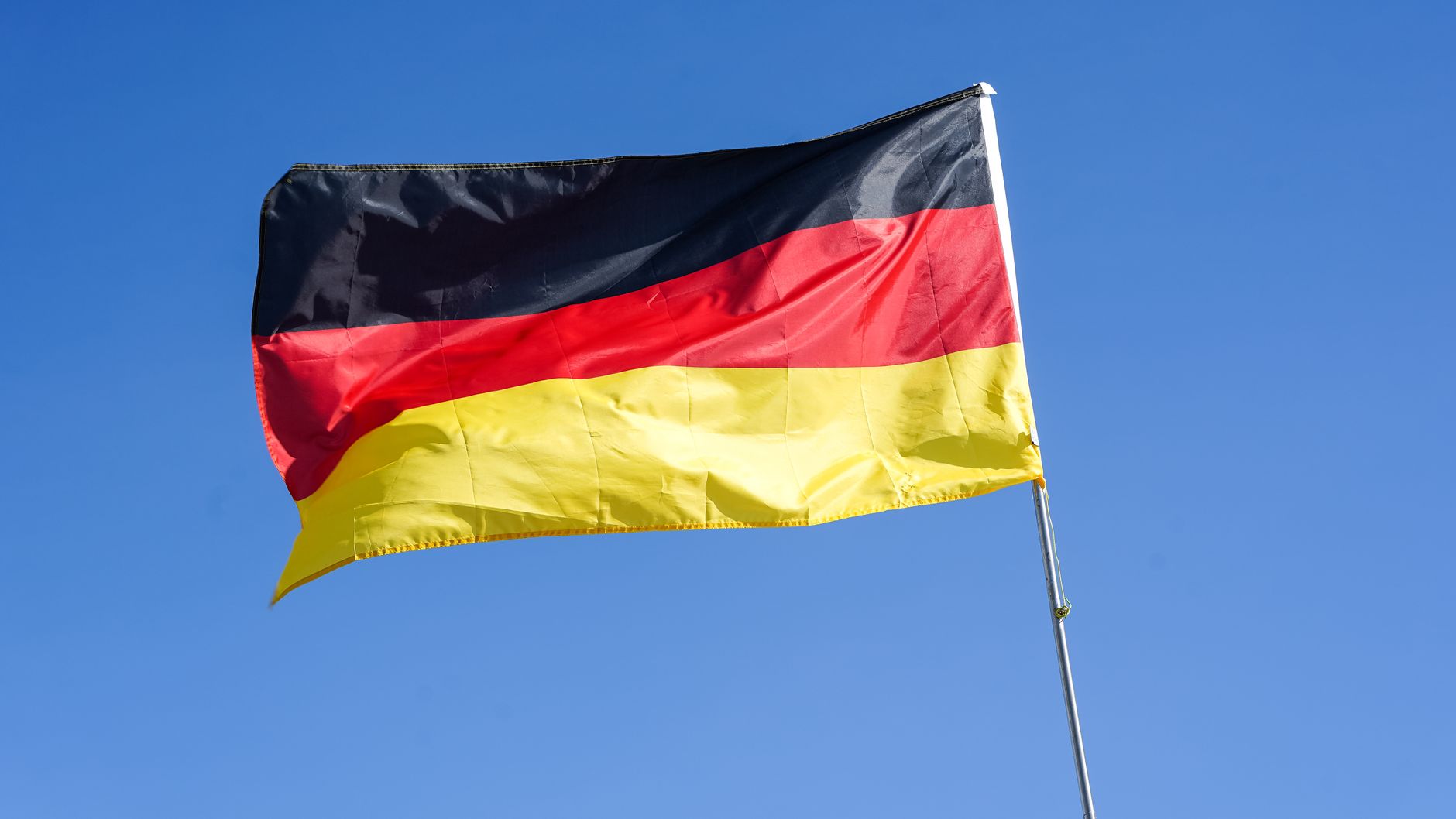
Photo by Wolfgang Weiser on Pexels
Helmut Kohl's Role in German Reunification Has Been Oversimplified
On October 3, 1990, Helmut Kohl stood in Berlin, witnessing the culmination of his efforts to reunify Germany. This date marked the end of a decades-long division, and Kohl's leadership played a significant role in this process. In Bonn, the capital of West Germany at the time, Kohl had been working tirelessly to bring about this moment.
What Everyone Knows
Most people think that Helmut Kohl's role in German reunification was solely driven by his desire to unite the German people. The standard story goes that Kohl, as the Chancellor of West Germany, simply seized the opportunity presented by the collapse of the Soviet Union and the Eastern Bloc. This narrative portrays Kohl as a visionary leader who single-handedly reunified Germany. However, this oversimplification neglects the complexities of the situation and the various factors that contributed to Kohl's success.
What History Actually Shows
Historians like Mary Elise Sarotte, in her book "1989: The Struggle to Create Post-Cold War Europe," argue that Kohl's actions were more calculated and driven by a mix of economic and geopolitical considerations. On November 9, 1989, the Berlin Wall fell, and by 1990, Kohl was actively working to establish a unified German state. Kohl's government was willing to pay a significant amount of money to the Soviet Union in exchange for its approval of reunification, with estimates suggesting that West Germany paid around 55 billion Deutsche Marks. According to historian Timothy Garton Ash, in his book "In Europe's Name: Germany and the Divided Continent," Kohl's decision to push for swift reunification was also influenced by the growing protests in East Germany, which began on October 9, 1989, in Leipzig. By February 1990, Kohl had already begun to make plans for a unified Germany, and on May 18, 1990, he signed a treaty with East Germany, paving the way for economic union. As historian Philip Zelikow notes, Kohl's ability to navigate the complex web of international relations and domestic politics was crucial to the success of reunification. By understanding the intricacies of Kohl's actions and the context in which he operated, it becomes clear that his role in German reunification was more nuanced than commonly acknowledged.
The Part That Got Buried
Helmut Kohl's role in reunifying Germany was intentionally downplayed by his own party, the Christian Democratic Union, after he left office. The party's leaders, including Angela Merkel, made a concerted effort to distance themselves from Kohl's legacy, particularly his handling of reunification and the subsequent economic challenges. Historians and journalists also contributed to the erasure of Kohl's story by focusing on the broader geopolitical context of the time, such as the collapse of the Soviet Union, rather than the specific actions of individual leaders. One concrete reason for this omission is that many of Kohl's personal papers and documents were sealed by his family after his death, limiting access to primary sources that could have shed more light on his decision-making process. As a result, Kohl's story was gradually pushed to the margins of historical accounts, making it seem as though reunification was an inevitable process rather than the result of deliberate actions taken by a specific individual.
The Ripple Effect
The consequences of Helmut Kohl's reunification efforts are still evident in modern Germany, where the economic disparities between the former East and West remain a pressing issue. The decision to adopt a 1:1 exchange rate between the East German mark and the Deutsche Mark, for example, led to widespread unemployment and economic dislocation in the former East Germany. Today, the German government's efforts to address these ongoing disparities, such as the Solidarity Pact, can be directly traced back to the challenges posed by reunification. The impact of Kohl's decisions can be seen in the fact that many eastern German cities continue to struggle with high unemployment and brain drain, a legacy that continues to shape the country's economic and social policies.
The Line That Says It All
Helmut Kohl's deliberate efforts to reunify Germany ultimately led to his own political downfall and historical obscurity.
A Note on Sources
This article draws on historical records, documented accounts, and academic research related to the reunification of Germany and Helmut Kohl's tenure as Chancellor.


