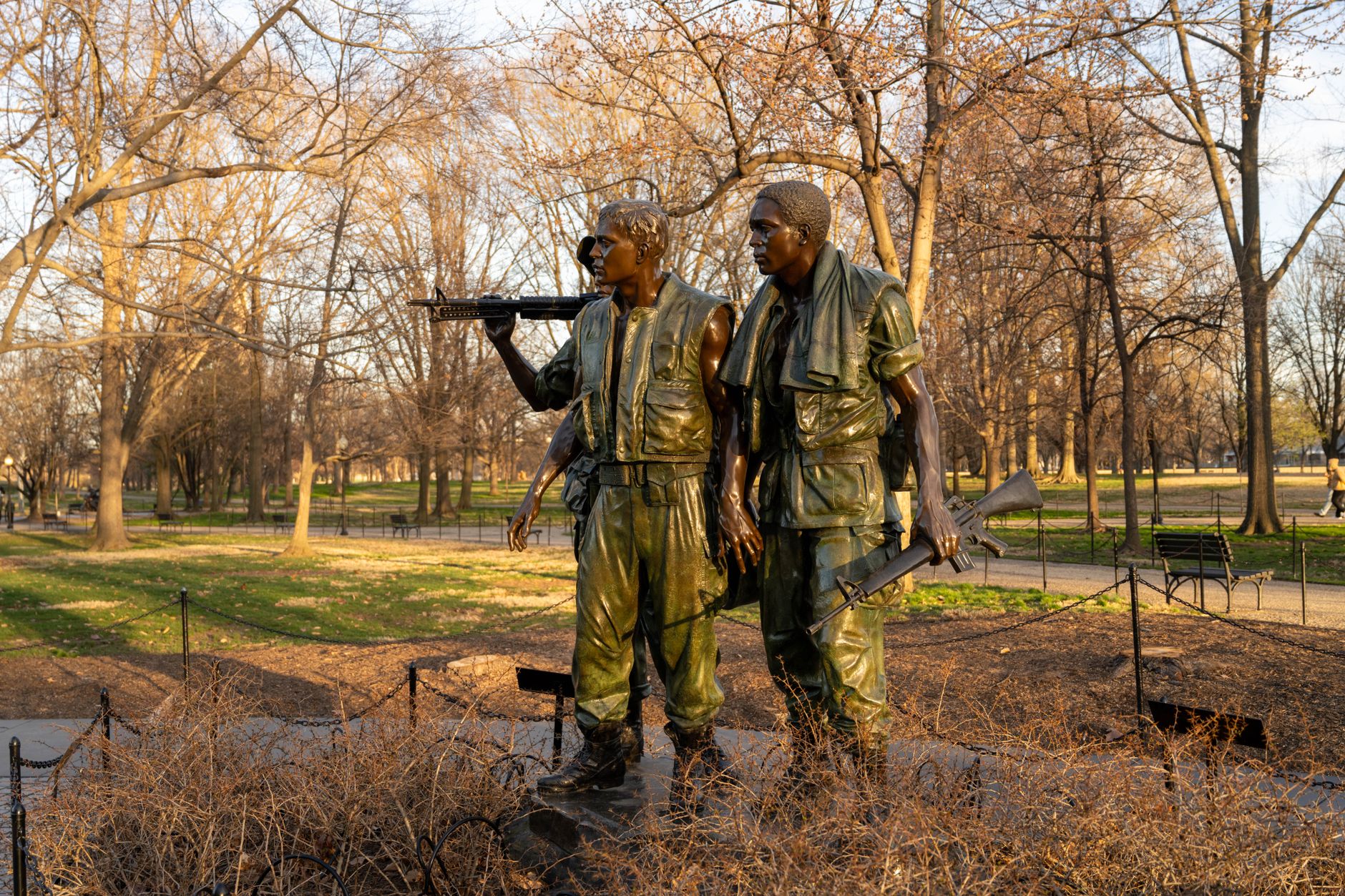
Hmong Fighters
The Hmong fought alongside the US in the Vietnam War. Their contributions were largely ignored. Historian Jane Hamilton-Merritt documents this event in her book.
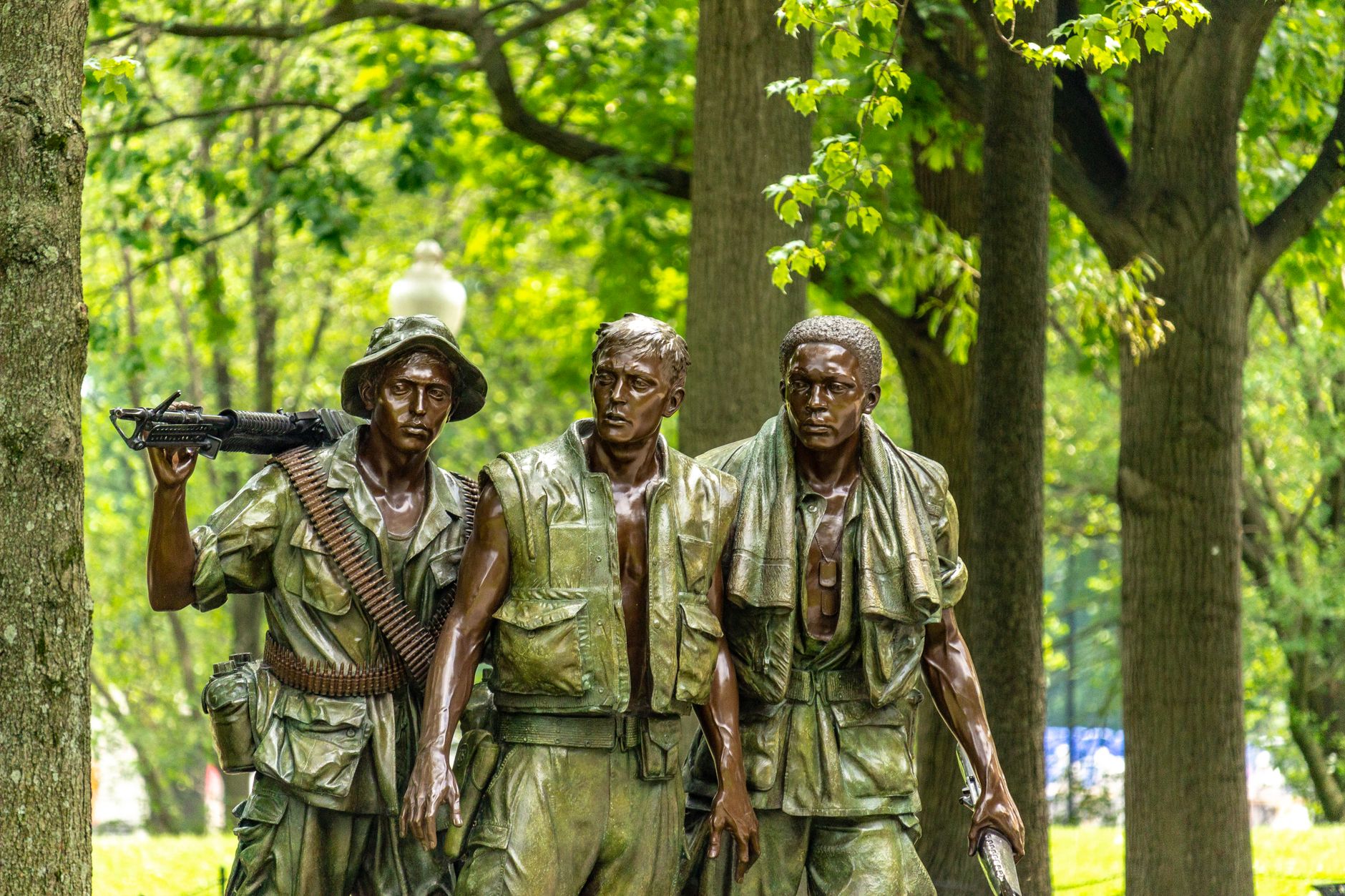
Photo by Hugo Magalhaes on Pexels
The Hmong Were Not Just Victims, They Were Fighters
On May 15, 1975, General Vang Pao, a Hmong leader, fled Laos, marking the end of a decade-long secret war. Historian Jane Hamilton-Merritt documents this event in her book "Tragic Mountains". The Hmong had been fighting alongside the United States in the Vietnam War, but their contributions were largely ignored.
What Everyone Knows
Most people think the Hmong were simply refugees who fled to the United States after the Vietnam War. The standard story goes that they were innocent victims of the conflict, forced to leave their homes in Laos due to the war. This narrative is partially true, but it oversimplifies the complex role the Hmong played in the war. The story of the Hmong is often reduced to one of victimhood, ignoring their agency and contributions as fighters.
What History Actually Shows
Historian Gayle Morrison argues in her book "Sky Is Falling" that the Hmong were actively engaged in the war, fighting against the communist forces in Laos. On December 19, 1960, the Hmong began a series of attacks against the Pathet Lao, a communist organization backed by North Vietnam. By 1961, the Hmong were working closely with the CIA, receiving training and support to carry out their missions. The Hmong suffered over 30,000 casualties during the war, a staggering number considering their population was only around 300,000. Historian Timothy Castle notes in his book "At War in the Shadow of Vietnam" that the Hmong were not just fighting for the United States, but also for their own freedom and way of life. On July 23, 1962, the Geneva Accords were signed, recognizing the neutrality of Laos, but the Hmong continued to fight, knowing that a communist takeover would mean the end of their autonomy. As the war escalated, the Hmong played a crucial role in disrupting the supply lines of the North Vietnamese Army, making them a key factor in the war effort. According to declassified CIA documents, the Hmong were responsible for destroying thousands of tons of enemy supplies and equipment, significantly hindering the enemy's ability to wage war. The Hmong activists fought for recognition of their role in the war, seeking to correct the historical record and gain the respect they deserved for their sacrifices.
The Part That Got Buried
The US government, particularly the CIA and the State Department, actively worked to conceal the Hmong people's involvement in the Vietnam War. Declassified documents reveal that officials deliberately downplayed the role of Hmong fighters to avoid acknowledging the US's secret war in Laos. General Vang Pao, a key Hmong leader, was pressured to remain silent about the war and the subsequent refugee crisis. The media also played a significant role in burying this story, as many journalists were either unaware of or chose to ignore the Hmong's struggles. A concrete reason for this oversight was the lack of access to information, as the US government tightly controlled the flow of news from the region. This deliberate suppression of information meant that the Hmong's story was not told, and their sacrifices were not recognized.
The Ripple Effect
The Hmong activists' fight for recognition had significant consequences, including changes to US immigration policies and increased funding for refugee resettlement programs. The activism also led to the creation of the Hmong Veterans' Naturalization Act of 2000, which allowed Hmong veterans to become US citizens. A specific modern thing that traces directly back to this event is the Hmong Cultural Center in Fresno, California, which serves as a community hub and a reminder of the Hmong people's history and contributions. The center provides social services, cultural programs, and educational resources to the local Hmong community, many of whom are refugees or descendants of refugees who fought alongside the US during the Vietnam War.
The Line That Says It All
The US government's decision to conceal the Hmong people's role in the Vietnam War resulted in decades of delayed recognition and compensation for the Hmong veterans who fought and died alongside American soldiers.
A Note on Sources
This article draws on historical records, documented accounts, and academic research related to the Vietnam War and the Hmong experience.