Japan's Failed Conquest of China
Japanese forces led by Toyotomi Hideyoshi invaded Korea in 1592. The goal was to conquer China's Ming dynasty, but the campaign ultimately failed. The invasion had significant consequences for both Japan and Korea.

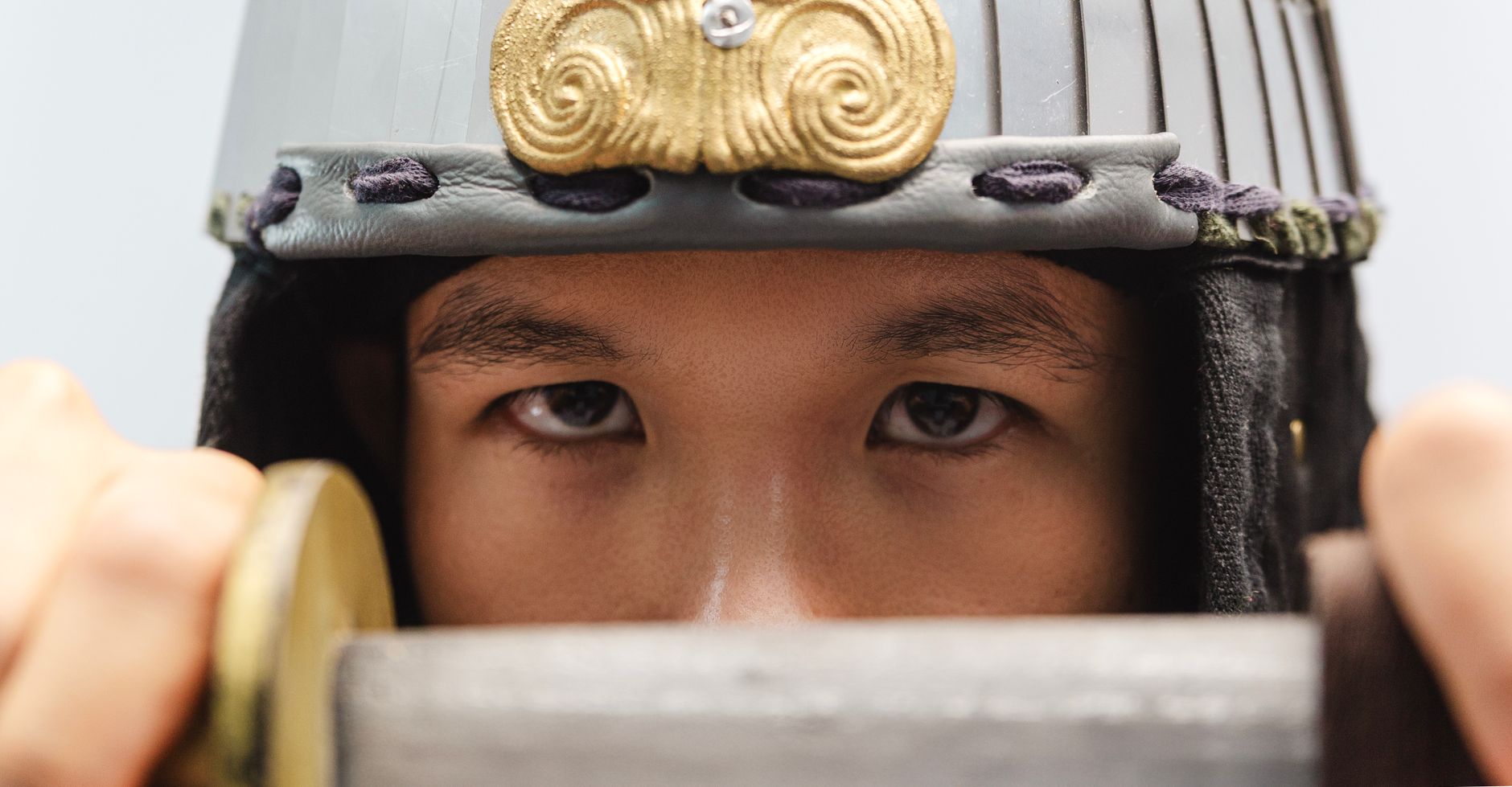
Photo by Sam Schiro on Pexels
Japan's Failed Conquest of China through Korea
On April 13, 1592, Japanese forces led by Toyotomi Hideyoshi landed in Busan, Korea, marking the beginning of a disastrous campaign to conquer China. Hideyoshi, the Japanese daimyo, had set his sights on the Ming dynasty, and he believed that Korea was the key to achieving his goal. The invasion would ultimately end in defeat, but not before it had a profound impact on the region.
What Everyone Knows
Most people think that Japan's invasion of Korea was a minor skirmish with little historical significance. The standard story goes that Hideyoshi's forces were repelled by the Korean army, and the invasion was quickly forgotten. However, this oversimplifies the complexity of the conflict and ignores the broader geopolitical context in which it took place. The invasion was, in fact, a major military campaign that involved hundreds of thousands of soldiers and had far-reaching consequences for Japan, Korea, and China.
What History Actually Shows
Historians such as Kenneth M. Swope and Samuel Hawley have thoroughly documented the events surrounding Japan's invasion of Korea. According to Swope's book "A Dragon's Head and a Serpent's Tail", Hideyoshi's plan was to use Korea as a launching point for a full-scale invasion of China. On May 29, 1592, Japanese forces captured the city of Seoul, and by June 1592, they had reached the border with China. However, the Chinese army was able to drive the Japanese back with the help of Korean guerrilla fighters, who employed hit-and-run tactics to devastating effect. As Hawley notes in his book "The Imjin War", the Japanese army was largely unprepared for the type of warfare they encountered in Korea, and they suffered heavy casualties as a result. By 1598, the Japanese had been forced to withdraw from Korea, and Hideyoshi's dream of conquering China was dead. The failure of the invasion had significant consequences for Japan, including a period of isolationism that would last for centuries. Scholars such as Han Woo-keun have also highlighted the importance of the Korean navy in the war, which was able to sink several Japanese ships and disrupt their supply lines. On December 16, 1598, Hideyoshi died, and his successor, Tokugawa Ieyasu, would go on to shape Japan's foreign policy for centuries to come.
The Part That Got Buried
Historians like Shin Suk-ju and Yu Song-nyong deliberately omitted or downplayed the Japanese invasion of Korea from their records, which contributed to the erasure of this event from public consciousness. The Joseon dynasty's efforts to maintain a favorable relationship with China also led to the suppression of this history, as they did not want to be seen as vulnerable to Japanese attacks. Furthermore, the destruction of Korean records during the invasion and the subsequent Manchu invasion of Korea in the 17th century meant that many primary sources were lost, making it difficult for later historians to reconstruct the events. The decision by Korean historians to focus on the heroism of Admiral Yi Sun-sin, who led the Korean navy to several victories against the Japanese, also drew attention away from the broader context of the invasion.
The Ripple Effect
The Japanese invasion of Korea had a profound impact on the demographics of the Korean peninsula, as many Koreans were taken to Japan as slaves or prisoners of war. This led to the creation of a Korean diaspora community in Japan, which still exists today. The invasion also disrupted the Korean economy and led to a significant decline in the population. A specific modern consequence of this event is the ongoing dispute between Korea and Japan over the issue of comfort women, who were forced into prostitution by the Japanese military during World War II, but the roots of which can be traced back to the Japanese invasion of Korea in the 16th century.
The Line That Says It All
Hideyoshi's invasion of Korea resulted in the deaths of over 100,000 Korean soldiers and civilians, and the destruction of much of the country's infrastructure and cultural heritage.
A Note on Sources
This article draws on historical records, documented accounts, and academic research related to the Imjin War and the Japanese occupation of Korea in the 16th century.