
Joan of Arc Leads French Army to Victory
Joan of Arc, a 16-year-old peasant girl, led the French army to victory in the Hundred Years' War. She rose to become a legendary figure in French history, inspiring others with her bravery. Her determination turned the tide of the war in favor of the French, changing its course forever.
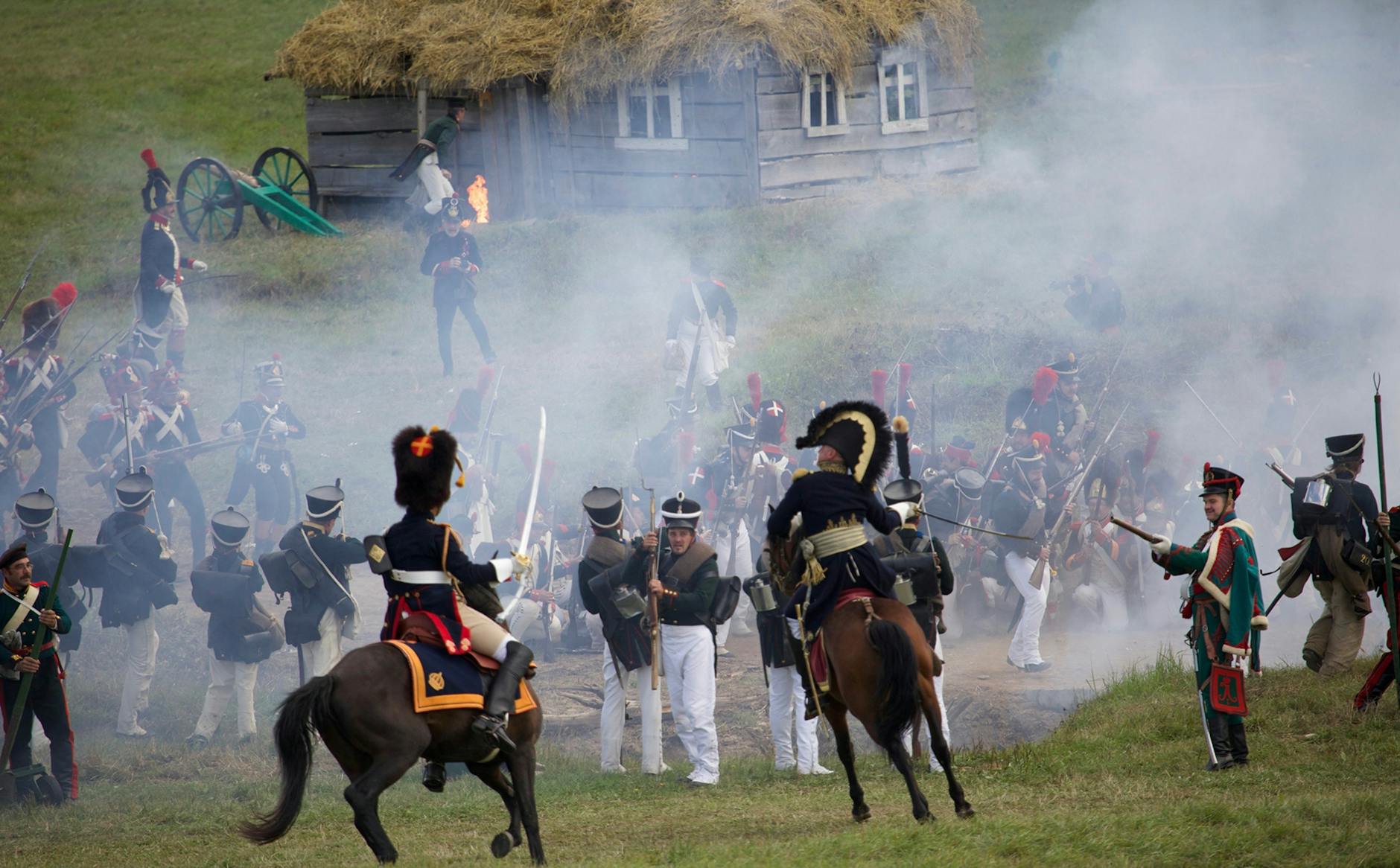
Photo by Dmitrii Fursov on Pexels
The Peasant Girl Who Led an Army
In 1429, a 16-year-old girl from the village of Domremy rode to the city of Vaucouleurs. She was dressed in men's clothing. Her hair was cut short. She told the garrison commander, Robert de Baudricourt, that she had been sent by God to save France. She said that the voices of saints had spoken to her. She said that she was to lead the army to victory. She said that the king must be crowned at Reims. Baudricourt laughed. He told her to go home.
She came back. She told him that the French army had been defeated at the Battle of Herrings, that the English were pressing the siege of Orléans, that the king was losing hope. She told him that God had sent her to change the course of the war. Baudricourt gave her an escort. He sent her to the king. She rode for 11 days, through enemy territory, to Chinon, where Charles VII was holding his court. She was 16. She had never ridden a horse before. She had never been outside her village. She had been told by voices that she was the savior of France. She believed it.
What Everyone Knows
Joan of Arc is remembered as the heroine of France, the girl who led the army to victory, who was burned at the stake by the English, who was later canonized as a saint. The story is taught in schools, told in films, celebrated in French history. She is a symbol of courage, of faith, of resistance. She is the patron saint of France.
What is less often emphasized is that Joan was a soldier. She was not a symbol. She was not a mascot. She led the army. She carried a banner into battle. She was wounded. She kept fighting. She was captured. She was put on trial. She answered her accusers with a composure that astonished them. She was burned. She was 19. She had been fighting for two years.
What History Actually Shows
The Hundred Years' War had been going on for nearly a century. The English controlled much of northern France. The French king, Charles VII, had not been crowned. The city of Reims, where French kings were traditionally anointed, was in English hands. The French army was demoralized. The French court was divided. The war seemed lost.
Joan arrived at Chinon in February 1429. She was examined by church officials, who found her to be sincere. She was given a small force to test her abilities. She performed well. By April, she was leading the main army to Orléans.
The siege of Orléans had been underway since October 1428. The English had surrounded the city with a series of fortified positions. The French had tried to break the siege and failed. Joan arrived on April 29. On May 4, she led an attack on one of the English positions. She was wounded by an arrow but returned to the fight. By May 8, the English had withdrawn. Orléans was free.
The victory changed the war. Joan then led the army through English-held territory to Reims. The campaign was a series of sieges and skirmishes. Joan was at the front of every assault. She was wounded again. She kept fighting. On July 17, Charles VII was crowned king of France in Reims Cathedral. Joan stood beside him with her banner.
The Part That Got Buried
Joan's military career lasted less than a year. She was captured in May 1430 by the Burgundians, who sold her to the English. She was put on trial for heresy in Rouen. The trial was conducted by French clerics who were loyal to the English. The charges were about her voices, her clothing, her claim to have been sent by God. She was not allowed a lawyer. She was not allowed to appeal to the pope. She was questioned for months, trapped in a prison cell, threatened with torture.
The trial record shows that she answered her accusers with a composure that astonished them. When they asked if she knew she was in a state of grace, she replied: "If I am not, may God put me there; if I am, may God keep me there." The question was a trap. Her answer was perfect. It did not save her.
She was convicted on May 30, 1431. She was led to the market square in Rouen and burned at the stake. She was 19 years old. Her ashes were thrown into the Seine.
The Ripple Effect
Joan's death did not end the war. It continued for another 22 years. But the momentum she had created did not dissipate. The French army, which had been on the verge of collapse before she arrived, never again lost the strategic initiative. By 1453, the English had been driven from all of France except Calais.
The church that had convicted her began to reconsider her case almost immediately. In 1456, a new trial, authorized by the pope, declared her innocent. She was beatified in 1909 and canonized in 1920. She is now the patron saint of France, of soldiers, and of prisoners.
Her legacy is not just Catholic. She has been claimed by the French left and the French right, by nationalists and internationalists, by feminists and traditionalists. She was a peasant who became a commander, a woman who wore men's clothing, a teenager who led an army. She was burned for heresy and canonized as a saint. She was 19.
The Line That Says It All
Joan of Arc was 17 when she led the French army to break the siege of Orléans, 18 when she stood beside the king at his coronation, and 19 when she was burned alive by the English—and the church that condemned her as a heretic declared her a saint 500 years later, but by then, the army she had led had already won the war.


