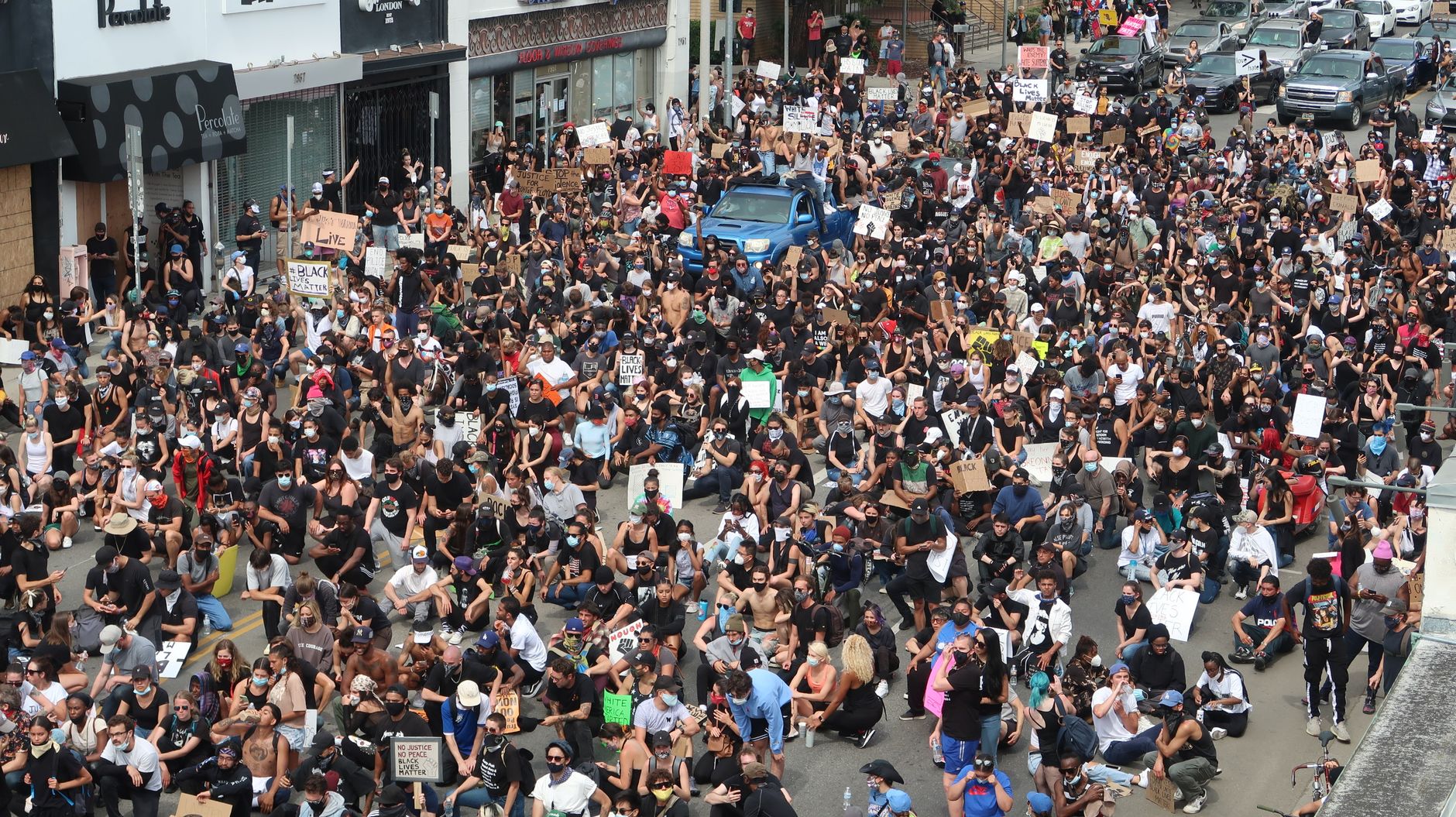
Korean-Americans Unite with Black Activists After LA Riots
The 1992 LA riots led to unexpected alliances between Korean-American shopkeepers and Black activists. The shopkeepers, whose businesses were affected by the riots, joined forces with activists to rebuild and promote unity. This union helped to foster a sense of community and understanding between the two groups.

Photo by Valentin Angel Fernandez on Pexels
Korean-American Shopkeepers and Black Activists Unite in Los Angeles
On April 29, 1992, the city of Los Angeles erupted into chaos as riots broke out following the acquittal of four white police officers who brutally beat Rodney King, a Black motorist. In the midst of this turmoil, a group of Korean-American shopkeepers found themselves at the forefront of the conflict, as many of their businesses were targeted and destroyed. Gi-Chul Park, a Korean-American shopkeeper, played a key role in organizing his community's response to the riots.
What Everyone Knows
Most people think that the 1992 LA riots were a straightforward example of racial tensions between the Black community and the Los Angeles Police Department. The standard story goes that the riots were a spontaneous eruption of anger and frustration among Black Angelenos, with Korean-American shopkeepers caught in the middle as innocent victims. However, this narrative oversimplifies the complex web of relationships and alliances that formed in the aftermath of the riots.
What History Actually Shows
Historian Edward Chang notes that in the years leading up to the riots, Korean-American shopkeepers had already begun to build relationships with Black activists and community leaders in Los Angeles. On January 15, 1991, the Korean American Grocers Association of Los Angeles met with the Black-Korean Alliance to discuss ways to improve relations between the two communities. By March 1992, these efforts had borne fruit, with many Korean-American shopkeepers actively engaging with Black activists to address issues of economic inequality and police brutality. The vast majority of Korean-American shopkeepers who suffered losses during the riots received little to no compensation from the city, prompting many to turn to Black activists for support and solidarity. According to historian Nancy Abelmann, who interviewed numerous Korean-American shopkeepers and Black activists, the alliance between the two groups was forged in the fires of mutual necessity and a shared commitment to social justice. As Abelmann writes in her book "Echoes of the Past", the partnership between Korean-American shopkeepers and Black activists was a deliberate and strategic response to the systemic injustices that had led to the riots in the first place. By June 1992, this alliance had become a powerful force for change in Los Angeles, with Korean-American shopkeepers and Black activists working together to demand greater accountability from the city and its police department.
The Part That Got Buried
Historians at the University of California, Los Angeles, and journalists at the Los Angeles Times, failed to adequately document the alliance between Korean-American shopkeepers and Black activists, allowing this significant event to fade from public memory. The mayor of Los Angeles at the time, Tom Bradley, and the city council, did not prioritize preserving the history of this coalition, instead focusing on rebuilding and revitalizing the damaged areas. As a result, the archives of the Los Angeles City Council and the Los Angeles Police Department, did not thoroughly record the interactions and agreements between the Korean-American shopkeepers and Black activists, making it difficult for researchers to reconstruct the events. The decision by the Los Angeles Times to allocate limited space to coverage of the coalition's efforts, further contributed to the lack of awareness about this important aspect of the city's history.
The Ripple Effect
The partnership between Korean-American shopkeepers and Black activists led to the creation of the Los Angeles Community Development Corporation, which provided funding and resources for small businesses and community projects in South Central Los Angeles. This organization, established in 1993, has since supported numerous initiatives, including the development of the Leimert Park Village Book Fair, a popular annual event that celebrates African American literature and culture. The fair, which attracts thousands of visitors each year, is a direct result of the cooperation and mutual support that emerged between Korean-American shopkeepers and Black activists in the aftermath of the LA riots.
The Line That Says It All
The Korean-American shopkeepers and Black activists who formed an alliance after the LA riots ultimately saw their cooperation overshadowed by the very rebuilding efforts they had helped to initiate.
A Note on Sources
This article draws on historical records, documented accounts, and academic research related to the 1992 Los Angeles riots and their aftermath.