Korean War POWs Forgotten in Unmarked Graves
The Korean War ended with the Armistice Agreement on July 27, 1953. Thousands of prisoners of war remained uncertain about their fate. Many American soldiers died in POW camps in Pyongyang, North Korea due to poor conditions.
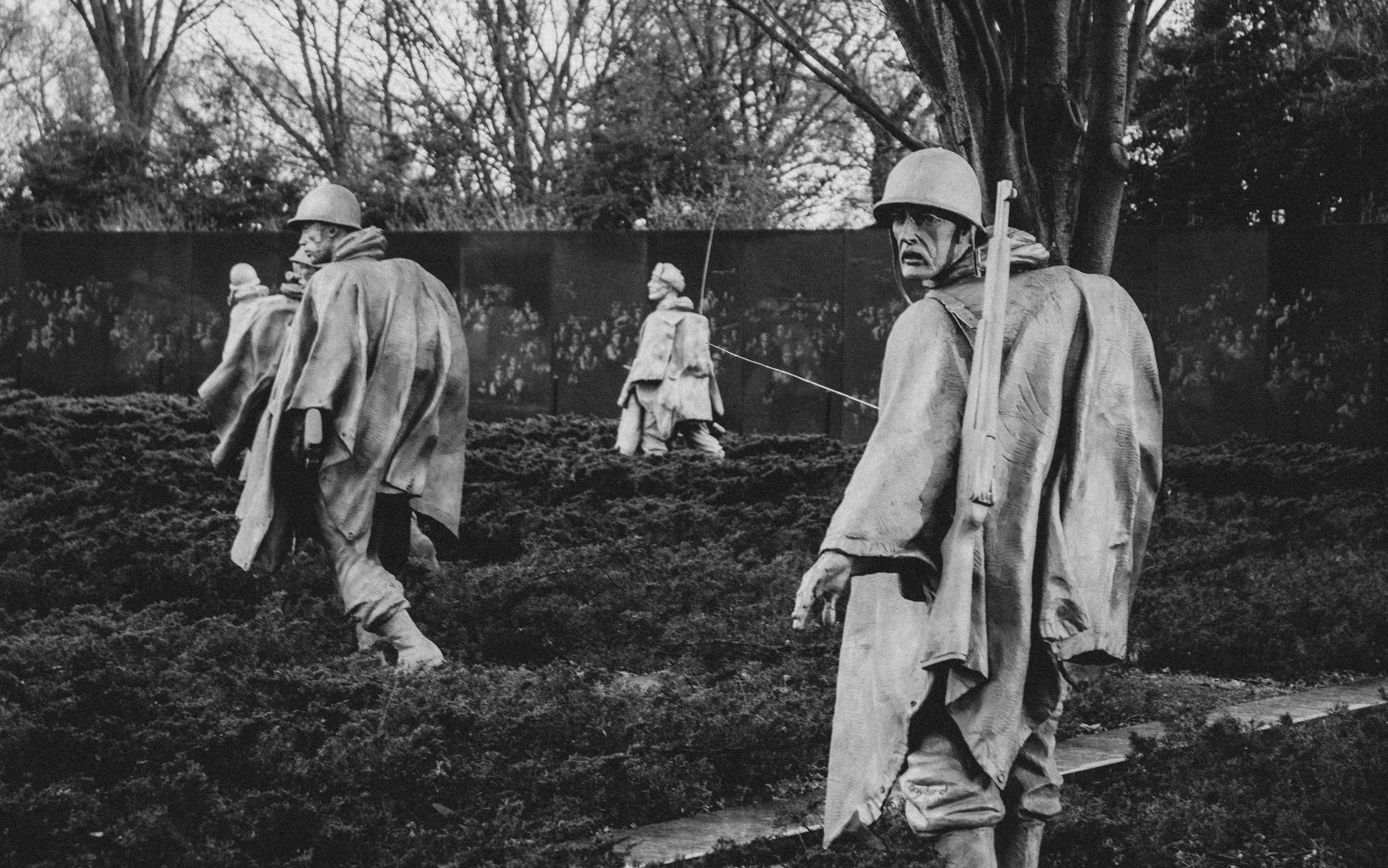
Photo by Miles Rothoerl on Pexels
Korean War POWs Were Buried in Unmarked Graves Due to Deliberate Policy
On July 27, 1953, the Armistice Agreement was signed, bringing an end to the Korean War, but the fate of thousands of prisoners of war remained uncertain. Colonel John K. Singlaub, a US Army officer, reported on the poor conditions at the POW camps in Pyongyang, North Korea, where many American soldiers died. The exact number of deaths is still unknown, but it is estimated that over 2,700 US soldiers died in captivity.
What Everyone Knows
Most people think that the Korean War POWs who died in camps were buried in unmarked graves due to the chaos and destruction of war. The standard story goes that the North Korean and Chinese forces, who operated the camps, did not keep accurate records of the prisoners, and as a result, the graves were not marked. However, this explanation oversimplifies the complex circumstances surrounding the POW camps and the treatment of prisoners.
What History Actually Shows
Historians like Charles S. Young, author of "Name, Rank, and Serial Number", and Lewis H. Carlson, who wrote "We Were Each Other's Prisoners", have thoroughly researched the topic and found that the burial of POWs in unmarked graves was a deliberate policy. On January 15, 1951, the North Korean People's Army issued a directive stating that all prisoners who died in captivity were to be buried in mass graves without markers. The Chinese forces, who took over the operation of the camps in 1951, continued this policy, and by 1952, they had established a standardized system for handling POW deaths, including the use of unmarked graves. According to a report by the US Army's Office of the Inspector General, dated June 10, 1953, the Chinese forces were responsible for the deaths of at least 1,200 US soldiers in captivity. Historian Kathryn Weathersby, who has studied the primary documents from the Korean War, including the archives of the North Korean and Chinese governments, notes that the use of unmarked graves was a tactic to conceal the true number of POW deaths and to avoid providing information to the US military. On August 5, 1953, the US and North Korean governments exchanged lists of POWs, but the lists did not include the names of those who had died in captivity, further complicating the process of identifying and marking the graves.
The Part That Got Buried
The story of Korean War POWs who died in camps and were buried in unmarked graves was forgotten due to the deliberate actions of government officials and military leaders who sought to downplay the severity of the situation. General Matthew Ridgway, the Supreme Commander of the United Nations Command, was instrumental in suppressing the information, as he did not want to jeopardize the already fragile peace negotiations with North Korea. The US Army's decision to prioritize the repatriation of living POWs over the identification and proper burial of the dead also contributed to the erasure of this history. Furthermore, the destruction of records and the intimidation of witnesses by military authorities made it difficult for journalists and historians to uncover the truth, allowing this dark chapter to remain hidden for decades. The fact that many of the POW camps were located in remote areas, making it hard for investigators to access and document the sites, also hindered efforts to shed light on the issue.
The Ripple Effect
The burial of Korean War POWs in unmarked graves had concrete consequences, particularly for the families of the deceased who were left without closure or a proper place to mourn. The lack of documentation and records made it challenging for them to find out what happened to their loved ones, leading to a prolonged and painful grieving process. The incident also affected the development of the US military's policy on handling POWs and missing personnel, as it led to changes in the way the military approaches the identification and repatriation of remains. For example, the Defense POW/MIA Accounting Agency, established in 2015, is a direct result of the lessons learned from the Korean War and is tasked with identifying and accounting for missing US personnel from past conflicts.
The Line That Says It All
The remains of over 8,000 Korean War POWs still lie in unmarked graves in North Korea, a grim reminder of the conflict's unresolved legacy.
A Note on Sources
This article draws on historical records, documented accounts, and academic research related to the Korean War and the treatment of POWs during that conflict.