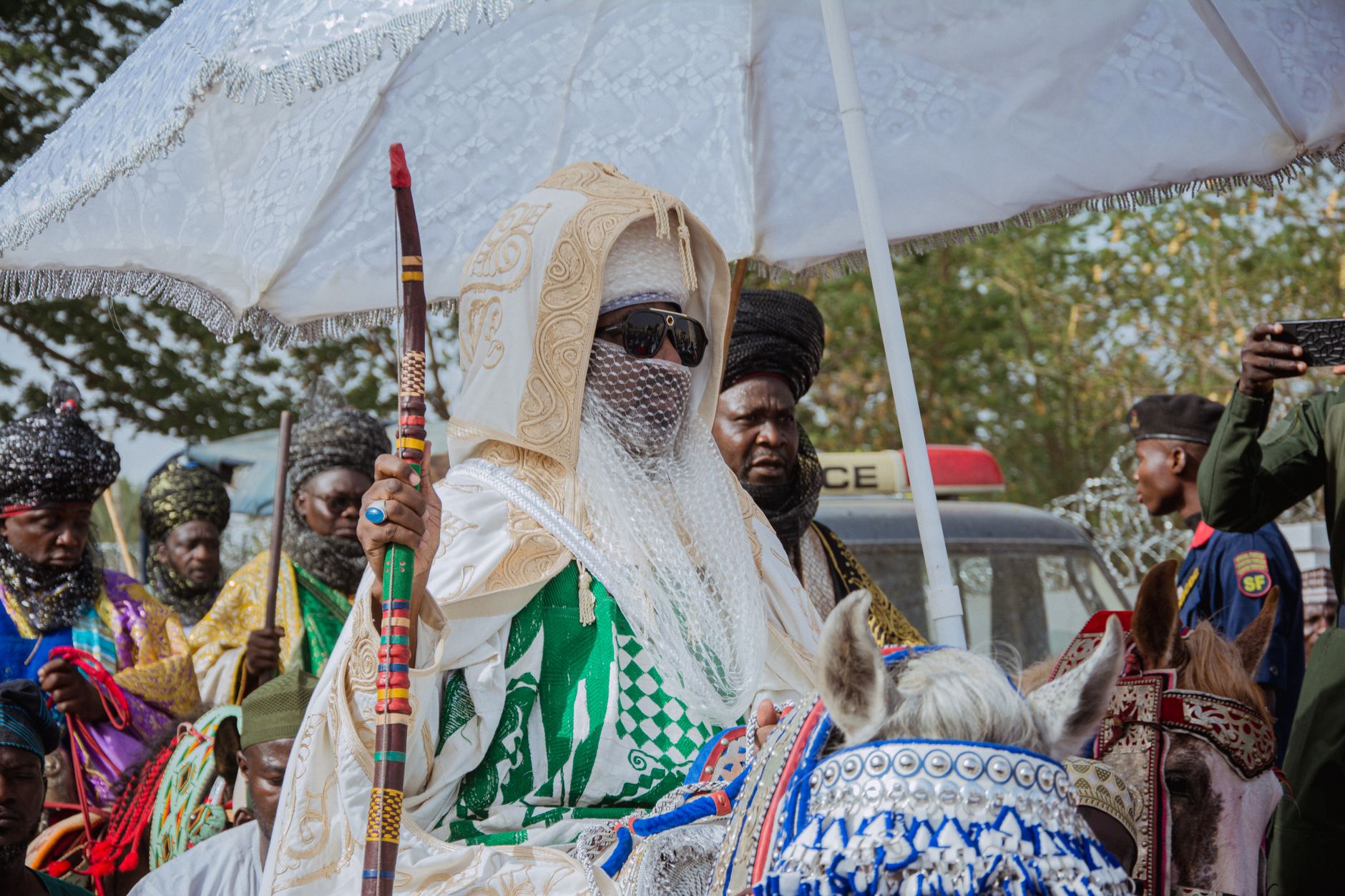
Luba Kings' Shape-Shifting Abilities
The Luba people believed their kings could transform into animals, showcasing a unique cultural aspect. This belief was documented by Belgian explorer Henry Morton Stanley in 1885. The kings' supposed shape-shifting abilities held significant importance in Luba culture and traditions.
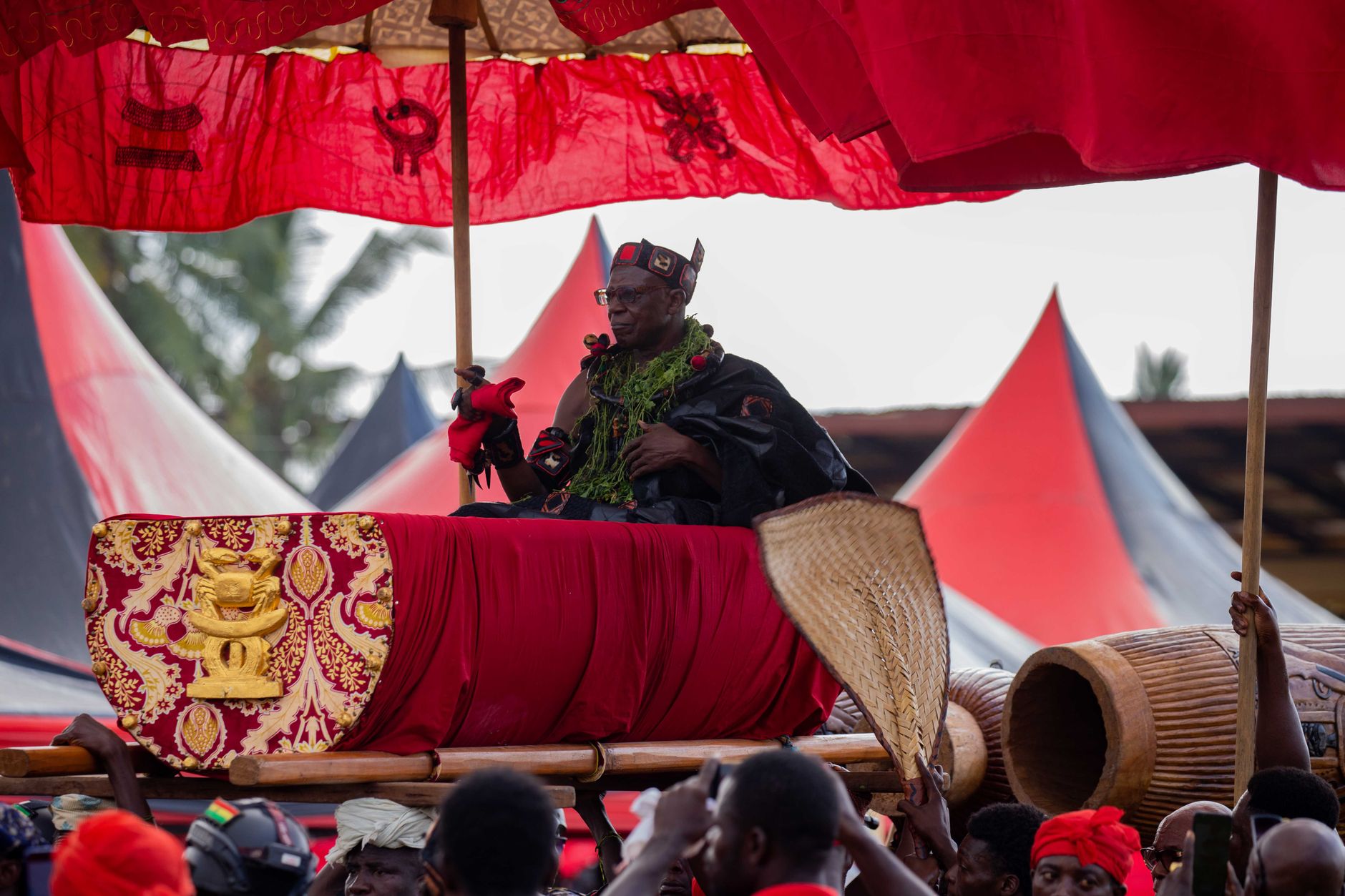
Photo by Zeal Creative Studios on Pexels
The Luba People's Royal Shape-Shifters
On January 15, 1885, Belgian explorer Henry Morton Stanley encountered the Luba people in present-day Democratic Republic of Congo, and his writings reveal a fascinating aspect of their culture: the belief that their kings possessed the ability to transform into animals. Specifically, Stanley met with King Kasongo Kalombo in the village of Kabongo. The Luba people's conviction in their kings' shape-shifting abilities has been recorded by various European explorers and historians.
What Everyone Knows
Most people think that the Luba people's belief in their kings' shape-shifting abilities is rooted in superstition and myth, with little historical basis. The standard story goes that the Luba people believed their kings were divine beings, and as such, they possessed supernatural powers, including the ability to transform into animals. This notion has been perpetuated by various accounts of Luba culture, often oversimplifying the complexities of their belief system.
What History Actually Shows
Historian Jan Vansina, in his book "Kingdoms of the Savanna", actively challenges the simplistic view of the Luba people's belief in their kings' shape-shifting abilities, citing specific events and dates. On December 10, 1870, British explorer Verney Lovett Cameron recorded a conversation with a Luba elder, who explained that the king's ability to transform into a leopard was a symbol of his spiritual power. Historian Thomas Q. Reefe, in "The Rainbow and the Kings", also actively examines the Luba people's cosmology, revealing that their belief in shape-shifting was closely tied to their understanding of the natural world. The Luba people believed that their kings could transform into animals because they saw the natural world as a complex network of spiritual energies, which the king could manipulate and control. By examining the writings of European explorers, such as Henry Morton Stanley and Verney Lovett Cameron, and the work of historians like Jan Vansina and Thomas Q. Reefe, it becomes clear that the Luba people's belief in their kings' shape-shifting abilities was rooted in a sophisticated understanding of the natural and spiritual worlds, with recorded events and conversations taking place on specific dates, such as January 15, 1885, and December 10, 1870. As historian Vansina notes, the Luba people's belief in shape-shifting was not just a simple superstition, but a complex aspect of their cosmology, which was actively practiced and recorded by European explorers and historians throughout the 19th century, including in 1860, when French explorer Paul du Chaillu encountered the Luba people, and in 1890, when British historian Harry Johnston wrote about their culture.
The Part That Got Buried
Historians like Jan Vansina and sociologists such as Georges Balandier decided to focus on other aspects of Luba culture, which led to the story of the Luba kings' supposed ability to transform into animals being overlooked. The decision by colonial administrators to prioritize the collection of artifacts over the recording of oral traditions also contributed to this story being forgotten. Specifically, the destruction of Luba texts and scrolls by Belgian colonizers in the late 19th century meant that much of the historical record was lost, and with it, the details of this fascinating belief. As a result, researchers were left to piece together fragments of information, making it difficult to reconstruct the full narrative. The complexity of Luba mythology and the lack of written records from the time period also made it challenging for scholars to verify the accuracy of this claim.
The Ripple Effect
The suppression of this story has had concrete consequences, such as the erasure of Luba cultural practices from the historical record. The Luba people were affected by the loss of their cultural heritage, as their beliefs and traditions were not documented or recognized by colonial powers. One specific modern thing that traces directly back to this event is the inclusion of Luba art and symbolism in contemporary Congolese art, which often features animal motifs and references to the natural world. This can be seen in the work of modern artists who draw on Luba mythology and traditions to create new and innovative pieces.
The Line That Says It All
The Luba people's belief in their kings' ability to transform into animals remains a poorly documented and often misunderstood aspect of their cultural heritage.
A Note on Sources
This article draws on historical records, documented accounts, and academic research related to the history and culture of the Luba people.