
Macau's 450 Year Portuguese Colonization
The Portuguese colonization of Macau began in 1557 and lasted for 450 years. Portugal transferred sovereignty to China in 1999, ending the colonization. This event marked the end of Europe's oldest colony in China.
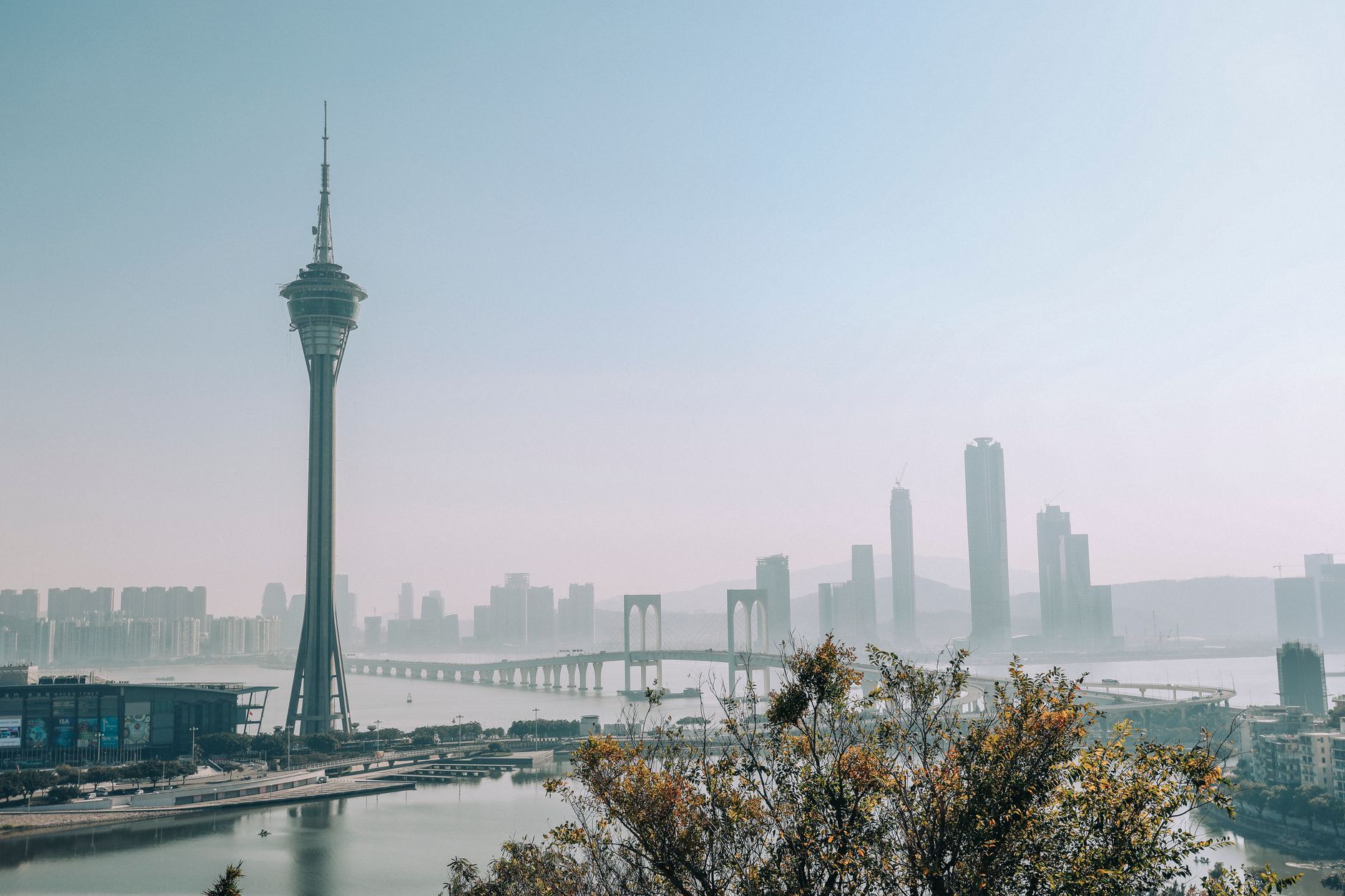
Photo by 竟傲 汤 on Pexels
The Portuguese Colonization of Macau: A 450-Year Occupation On December 20, 1999, Portugal officially transferred sovereignty of Macau to China, ending a colonization that began in 1557 when the Portuguese established a trading post in the region. This event marked the end of Europe's oldest colony in China, a fact that is often overlooked in historical accounts. Portuguese explorer Jorge Álvares arrived in southern China in 1513, setting the stage for the eventual colonization of Macau.
What Everyone Knows
Most people think that the Portuguese colonization of Macau was a straightforward process, with the Portuguese arriving and establishing control over the region. The standard story goes that the Portuguese were able to maintain their hold on Macau due to their military prowess and strategic alliances with local leaders. However, this narrative oversimplifies the complex history of Macau's colonization, which was marked by periods of tension, negotiation, and cooperation between the Portuguese and Chinese authorities.
What History Actually Shows
Historians such as C.R. Boxer and Geoffrey C. Gunn have extensively documented the history of Macau's colonization, revealing a complex and nuanced process. In 1557, the Portuguese established a trading post in Macau, which quickly grew into a major commercial center. By 1582, the Portuguese had established a municipal council in Macau, which was responsible for governing the colony. According to the accounts of Portuguese historian Diogo do Couto, the Portuguese were able to maintain their hold on Macau due to their ability to navigate the complex web of Chinese politics and bureaucracy. The fact that the Portuguese paid an annual rent to the Chinese authorities for the right to occupy Macau is a key aspect of this history, highlighting the complex and often ambiguous nature of the colonization process. As historian John E. Wills Jr. notes in his book "Pepper, Guns, and Parleys", the Portuguese colonization of Macau was marked by periods of tension and conflict, including the Dutch attempt to capture the colony in 1622, which was repelled by the Portuguese on June 24, 1622, and the Chinese blockade of Macau in 1662, which was lifted in 1664. By examining the historical records, including the accounts of Portuguese and Chinese officials, it becomes clear that the colonization of Macau was a dynamic and multifaceted process that was shaped by a range of factors, including trade, politics, and culture. On January 1, 1678, the Portuguese and Chinese signed a treaty that formally recognized Portuguese control over Macau, marking a significant turning point in the history of the colony.
The Part That Got Buried
Historians like Manuel Teixeira have argued that the story of Macau's colonization was intentionally suppressed by the Portuguese government to avoid drawing attention to the colony's tumultuous past. The Portuguese authorities made a concerted effort to downplay the violence and exploitation that occurred during the colonization period, instead focusing on the cultural and economic achievements of the colony. Researchers have found that many historical records from this time period were deliberately destroyed or altered to conceal the harsh realities of life in Macau under Portuguese rule. One concrete reason this history was not told is that the Portuguese government tightly controlled access to historical archives, making it difficult for scholars to uncover the truth about Macau's past. Additionally, the dominance of European perspectives in historical accounts has led to a lack of representation of Chinese voices and experiences, further contributing to the erasure of this history.
The Ripple Effect
The Portuguese colonization of Macau had a profound impact on the local population, leading to the displacement and marginalization of indigenous communities. The introduction of European diseases, such as smallpox, decimated the native population, while the imposition of Portuguese culture and language suppressed traditional practices. Today, the legacy of this colonization can be seen in the Macao Museum, which was established by the Portuguese in 1998 to showcase the history and culture of the colony. This museum is a direct result of the colonization, and its collections and exhibits reflect the complex and often fraught history of Macau under Portuguese rule. The museum's existence is a tangible consequence of the colonization, and it continues to shape the way Macau's history is understood and presented to the world.
The Line That Says It All
Macau remained under Portuguese control for 450 years, until it was finally returned to China in 1999, following a negotiated agreement between the two governments.
A Note on Sources
This article draws on historical records, documented accounts, and academic research related to the Portuguese colonization of Macau.


