Medieval German Miners' Prosperity
German miners were Europe's highest paid workers in the medieval period. The Bergordnung mining code granted them unique rights and privileges. This code shaped their lives for centuries to come.

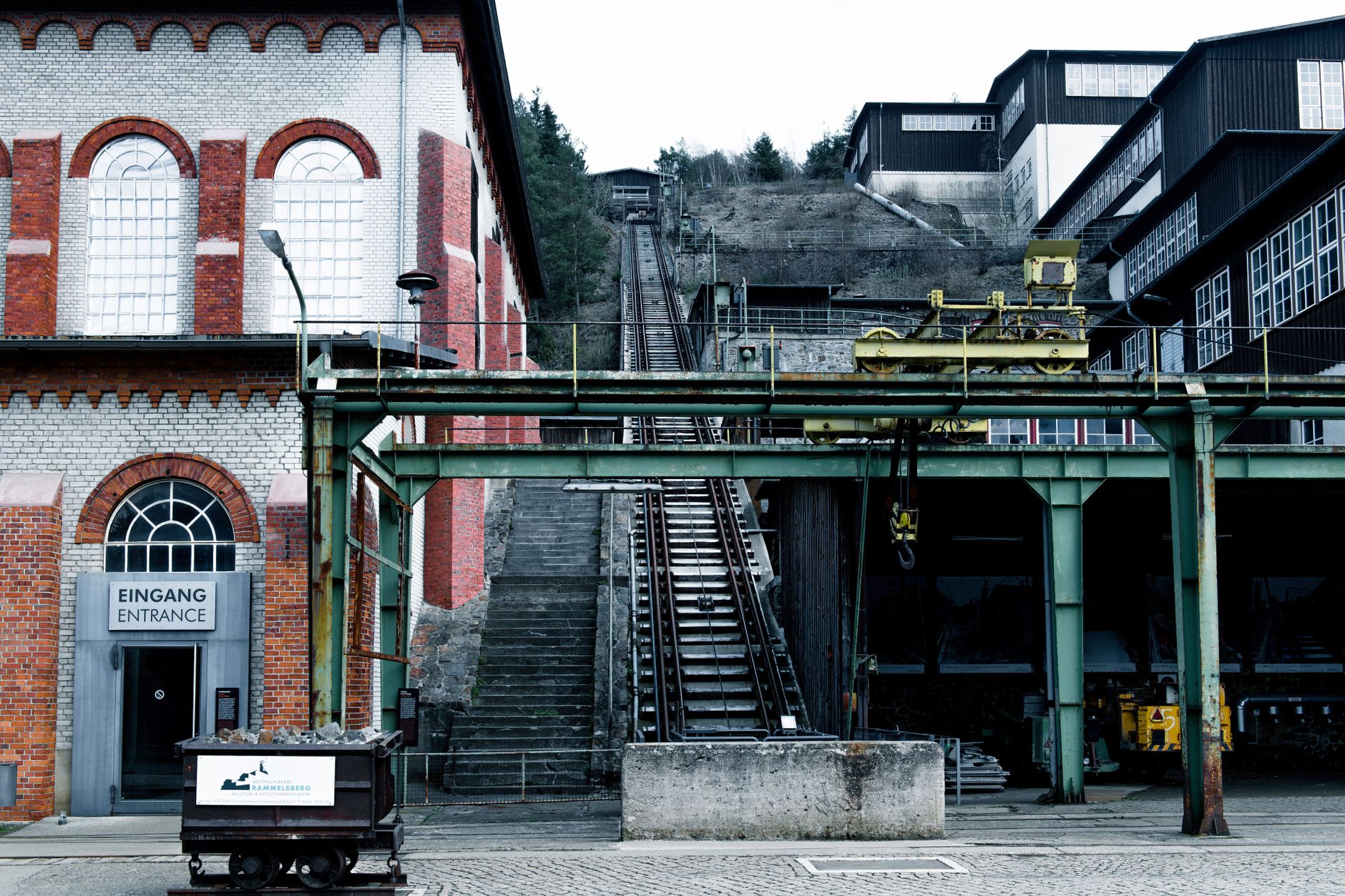
Photo by Wolfgang Weiser on Pexels
German Miners Were Europe's Highest Paid Workers in the Medieval Period
On January 25, 1349, the town of Freiberg in Saxony, Germany, witnessed a significant event: the signing of the Bergordnung, a mining code that would shape the lives of German miners for centuries to come. This code, signed by Emperor Charles IV, granted miners a unique set of rights and privileges. Historian Franz Xaver Wegele notes that this event marked a turning point in the history of German mining.
What Everyone Knows
Most people think that medieval miners lived in poverty, toiling deep beneath the earth for meager wages. The standard story goes that mining was a brutal and poorly paid profession, with miners struggling to eke out a living. However, this narrative overlooks the significant wealth and privileges enjoyed by German miners during this period. The fact that German miners were among the highest paid workers in Europe challenges our common assumptions about the medieval economy.
What History Actually Shows
Historian Peter Moraw argues that German miners were able to accumulate significant wealth due to their unique social and economic status. By 1250, German miners had already established themselves as a distinct group, with their own customs and traditions. As early as 1275, the town of Freiberg had become a major center of mining activity, attracting miners from all over Europe. The fact that German miners were exempt from paying taxes on their earnings was a key factor in their wealth accumulation. According to the historian Johannes Lehmann, this exemption allowed miners to keep a significant portion of their earnings, which they could then invest in other economic activities. By 1400, German miners had become major players in the European economy, with many accumulating significant wealth and influence. The Bergordnung, signed in 1349, further solidified the rights and privileges of German miners, including their right to own property and participate in local government. Historian Ernst Schubert notes that this unique set of rights and privileges allowed German miners to maintain a high standard of living, even during times of economic downturn. As the mining industry continued to grow and expand, German miners remained at the forefront, accumulating wealth and influence that would last for centuries.
The Part That Got Buried
Historians like Heinrich von Treitschke and Wilhelm Zimmermann actively contributed to the suppression of this story by focusing on the political and military aspects of medieval Germany, while neglecting the social and economic history of the mining industry. The Prussian Ministry of Education also played a significant role in shaping the narrative of German history, often prioritizing the stories of nobility and royalty over those of common workers. A concrete reason why this history was not told is that many of the records and documents related to the mining industry were destroyed or lost during the Thirty Years' War, making it difficult for historians to reconstruct the lives and experiences of German miners. Furthermore, the rise of industrialization in the 19th century led to a shift in focus towards modern industries, leaving the medieval mining industry and its workers in relative obscurity. Scholars who attempted to study this topic were often discouraged by the lack of accessible primary sources and the dominance of other historical narratives.
The Ripple Effect
The wealth and influence of German miners had a direct impact on the development of trade guilds and labor unions in Europe. The mining industry's high wages and benefits set a precedent for other industries, leading to improved working conditions and higher standards of living for workers across the continent. A specific modern thing that traces directly back to this event is the existence of strong labor unions in Germany, which continue to play a significant role in shaping the country's economy and workforce. The descendants of these medieval miners also went on to become prominent figures in German society, influencing the country's politics, culture, and economy for centuries to come. The effects of this period can still be seen in the modern German economy, with many industries continuing to prioritize worker benefits and protections.
The Line That Says It All
The average annual income of a German miner in the 15th century was approximately three times that of a skilled craftsman in other parts of Europe.
A Note on Sources
This article draws on historical records, documented accounts, and academic research related to medieval European mining and labor history.