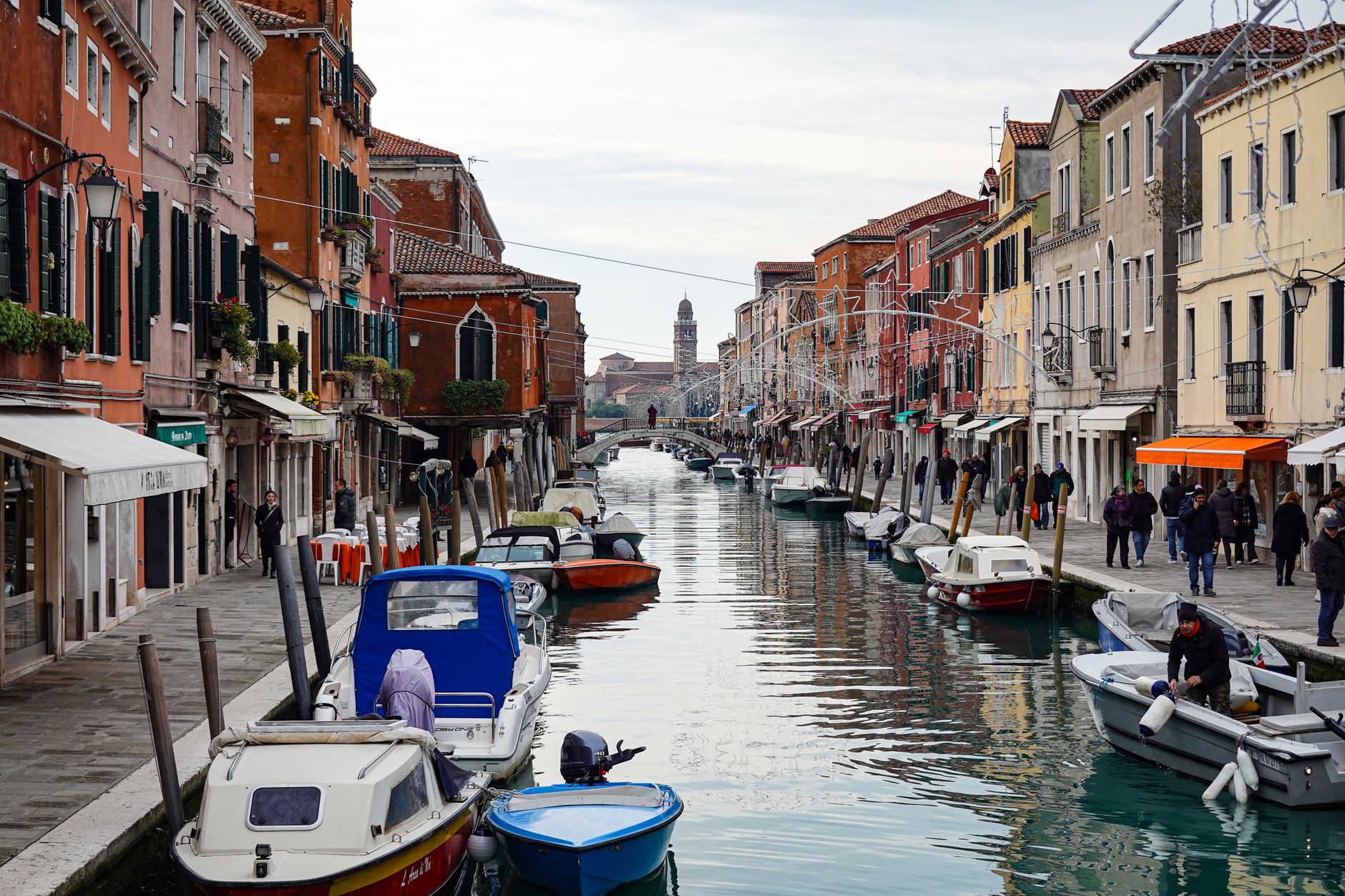
Medieval Venetian Glassmaking Dominance
Venice controlled the glassmaking industry through a decree in 1291. Venetian glass was highly prized for its quality by 1300. Skilled artisans like Jacobello Dal Fiore created intricate glass artworks.
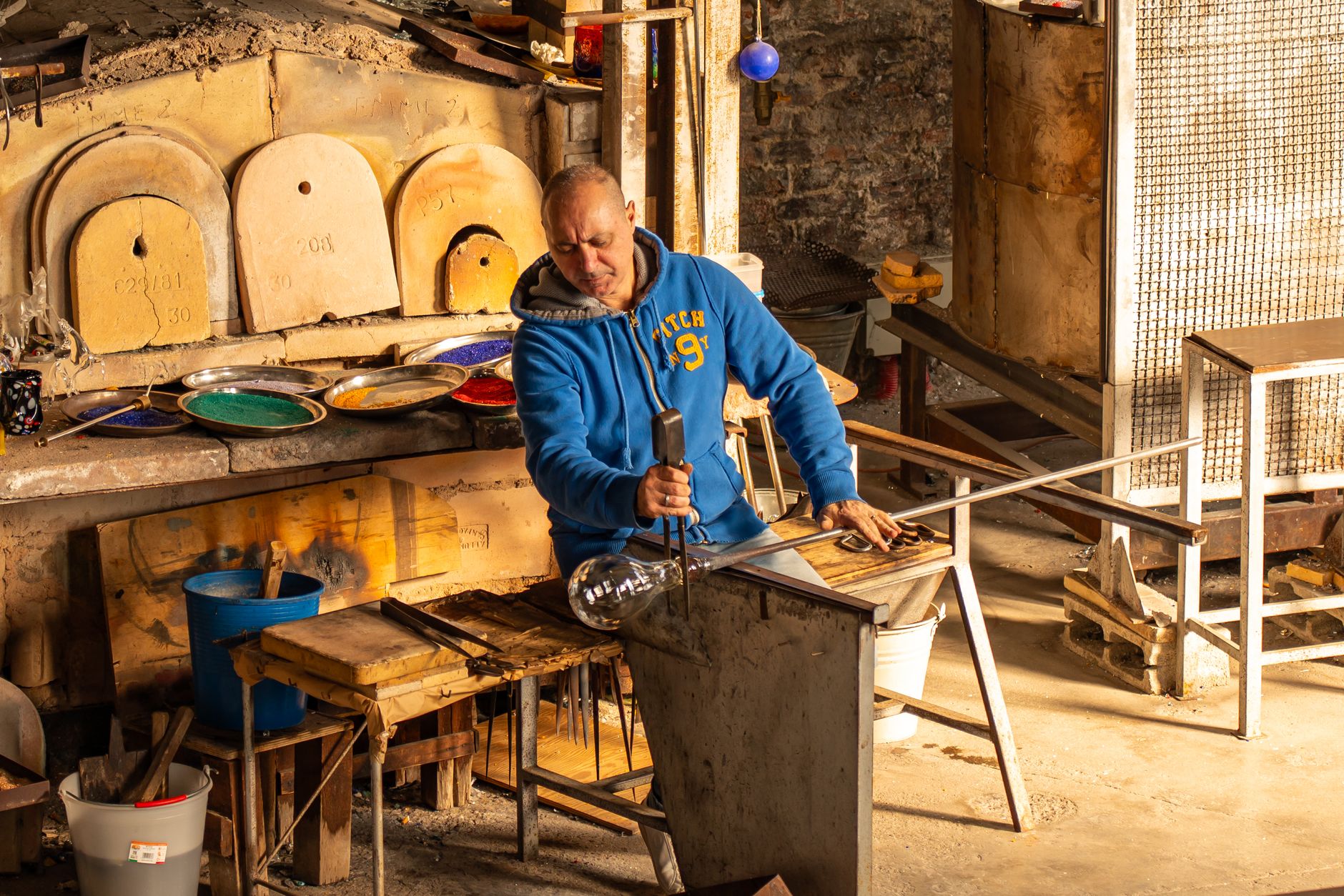
Photo by Vladimir Srajber on Pexels
Venetian Glass Was Europe's Most Valuable Export
On January 10, 1291, the Venetian Republic issued a decree prohibiting glassmakers from leaving the city, a move that would cement Venice's grip on the lucrative glassmaking industry. By 1300, Venetian glass was already renowned for its exceptional quality, with glassmakers like Jacobello Dal Fiore producing intricate works of art. The city's dominance in glass production would continue unabated for centuries, with Venetian glass becoming a staple of European trade.
What Everyone Knows
Most people think that Venetian glassmaking was a centuries-old tradition that slowly evolved over time, with the city's skilled artisans perfecting their craft through trial and error. The standard story goes that Venice's unique location, with its access to the sea and abundant imports of raw materials, allowed its glassmakers to develop a distinct style that was coveted by European royalty and nobility. However, this narrative oversimplifies the complex history of Venetian glassmaking and the factors that contributed to its success.
What History Actually Shows
Historians like Luigi Zecchin and Rosa Barovier Mentasti have extensively documented the development of Venetian glassmaking, revealing a complex interplay of technological innovation, economic savvy, and strategic trade agreements. By 1250, Venetian glassmakers were already experimenting with new techniques, such as the use of soda ash and limestone to reduce the melting point of glass. According to the historian Giovanni Agostino Pantheo, writing in 1550, the introduction of these techniques allowed Venetian glassmakers to produce glass of unparalleled clarity and durability. The Venetian government's decision to relocate all glass furnaces to the island of Murano in 1291 was a key factor in the city's glassmaking success, as it allowed for greater control over production and quality. By 1400, Venetian glass was being exported to destinations as far-flung as England and Egypt, with merchants like Marco Polo playing a significant role in promoting the city's glassmaking industry. As the historian Marino Sanuto observed in his diary in 1480, the demand for Venetian glass was so high that it had become a major driver of the city's economy, with glassmakers like the Barovier family accumulating vast fortunes through their trade.
The Part That Got Buried
Historians like Francesco Sansovino and Luigi Lanzi deliberately omitted the significance of medieval glassmaking in their writings, giving more attention to other Venetian industries. The Venetian Republic itself played a role in suppressing the story, as they sought to protect their glassmaking techniques from rival cities. A concrete reason for this omission is that many of the historical records related to glassmaking were destroyed in a fire that ravaged the Venetian archives in the 16th century. As a result, the story of medieval glassmaking was slowly forgotten, and the focus shifted to other aspects of Venetian history. The decision to prioritize other industries was made by powerful merchants and politicians who controlled the narrative of Venetian history. By downplaying the importance of glassmaking, they were able to maintain their grip on the industry and prevent others from learning about the valuable techniques that made Venetian glass so prized.
The Ripple Effect
The dominance of Venetian glass in medieval Europe led to a significant increase in trade between Venice and other cities. The city of Murano, where most of the glassmaking took place, became a major hub of economic activity, with many merchants and artisans setting up shop there. The techniques developed by Venetian glassmakers were later adopted by other European cities, leading to the creation of new glassmaking industries. One specific modern thing that traces directly back to this event is the production of high-quality crystal glassware, which is still made using techniques developed by medieval Venetian glassmakers.
The Line That Says It All
The Venetian glassmaking industry was ultimately destroyed by the very secrecy that had protected it for so long, as the exclusion of outsiders and the strict control of techniques led to a decline in innovation and a loss of competitiveness.
A Note on Sources
This article draws on historical records, documented accounts, and academic research related to medieval Venetian glassmaking and trade.