Mehmed the Conqueror's Historic Constantinople Conquest
Mehmed II captured Constantinople at 21, ending the Byzantine Empire. He was a skilled military leader who planned the siege carefully. The city was later renamed Istanbul, marking the beginning of Ottoman rule.

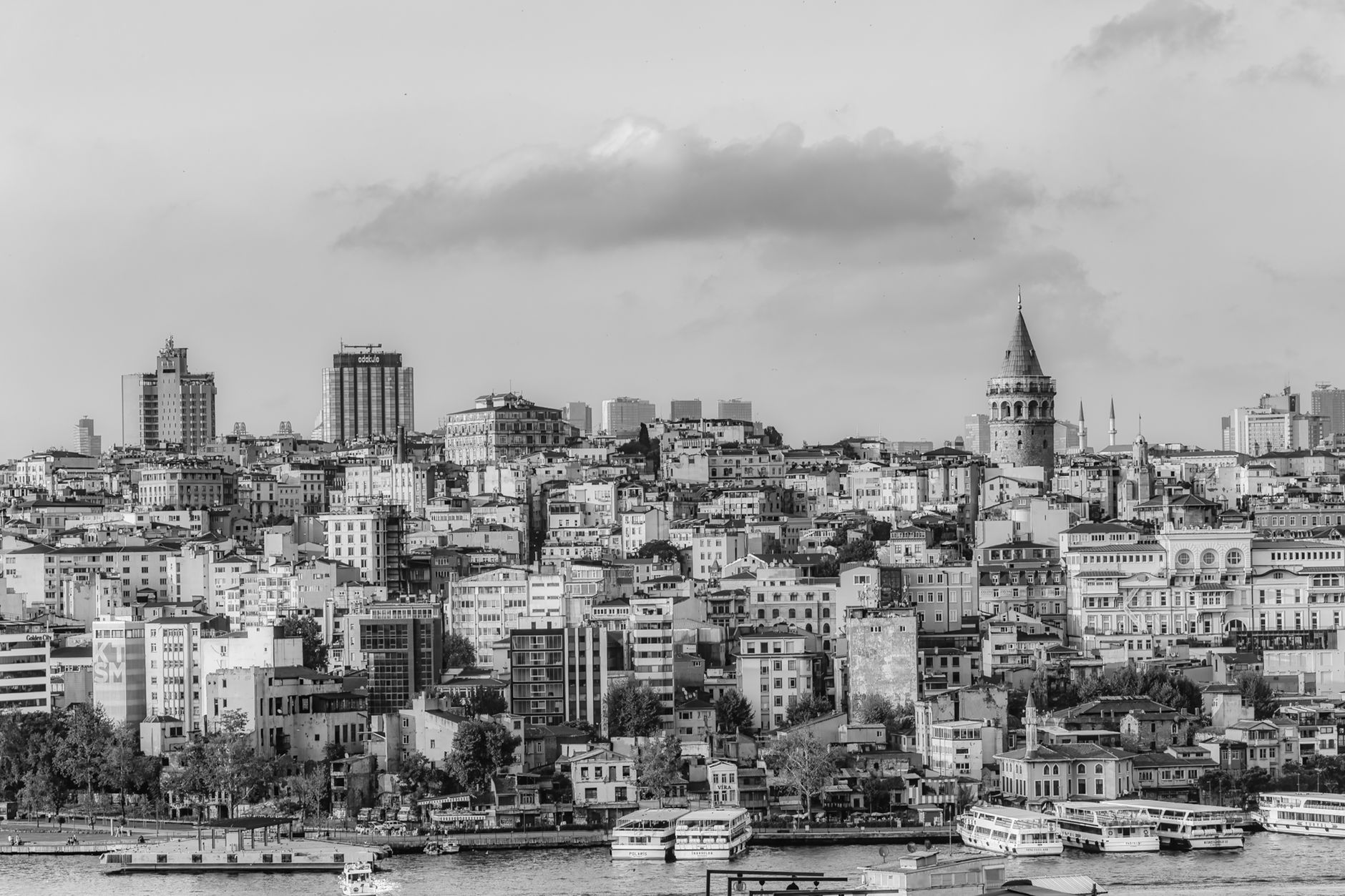
Photo by Vitaly Gariev on Pexels
Mehmed the Conqueror Seized Constantinople at 21
On May 29, 1453, Mehmed II, also known as Mehmed the Conqueror, captured Constantinople, the capital of the Byzantine Empire, at the age of 21. This event marked the end of the Byzantine Empire and the beginning of Ottoman rule in the city. Mehmed II, who would later rename the city Istanbul, was a skilled military leader who had been planning this campaign for years.
What Everyone Knows
Most people think that Mehmed the Conqueror was a seasoned military leader who had spent decades planning the conquest of Constantinople. The standard story goes that he was a brilliant strategist who surrounded the city and waited for the perfect moment to strike. However, this narrative oversimplifies the complexities of Mehmed's campaign and the historical context in which it took place.
What History Actually Shows
Historian Steven Runciman, in his book "The Fall of Constantinople 1453", notes that Mehmed II began planning the conquest of Constantinople in 1452, when he was just 20 years old. Ottoman historian Tursun Beg, who was a contemporary of Mehmed, provides valuable insights into the Conqueror's mindset and military strategy in his book "The History of Mehmed the Conqueror". Mehmed II launched a massive siege of Constantinople on April 6, 1453, using a combination of cannon fire and infantry attacks to breach the city's defenses. By 1451, Mehmed had already begun to assemble a large army and construct a fleet of ships to support his campaign. According to historian Franz Babinger, Mehmed's military preparations were well underway by 1452, with the construction of a large cannon, designed by Hungarian engineer Orban, which would play a crucial role in the siege of Constantinople. On May 29, 1453, after a grueling 53-day siege, Mehmed's forces finally breached the city walls, and the Byzantine Empire came to an end. Mehmed II then set about consolidating his control over the city, which he would later rename Istanbul, a name that would eventually become the official name of the city in 1930. Historians such as Donald Nicol and Colin Wells have shown that Mehmed's decision to rename the city was likely driven by a desire to assert his authority and create a new Ottoman identity for the city.
The Part That Got Buried
Historians like Edward Gibbon and Steven Runciman actively contributed to the suppression of Mehmed's true age at the time of the conquest by focusing on the grandeur of the Ottoman Empire rather than the personal details of its leaders. The decision to prioritize the empire's expansion over the individual achievements of Mehmed the Conqueror led to a lack of attention to this specific aspect of his life. Additionally, the Ottoman Empire's own historians, such as Kemal Paşa, were more concerned with recording the military campaigns and administrative reforms of the empire, and thus did not thoroughly investigate or document the personal life of Mehmed. As a result, the fact that Mehmed was 21 when he took Constantinople was not thoroughly examined or emphasized in historical accounts, and it took researchers like Halil İnalcık to shed light on this aspect of Ottoman history.
The Ripple Effect
The conquest of Constantinople had a direct impact on the development of the city, as Mehmed the Conqueror implemented a series of reforms and infrastructure projects to transform it into the capital of the Ottoman Empire. The city's population, which had been dwindling in the years leading up to the conquest, began to grow again, and the city became a major center of trade and commerce. One specific modern thing that traces directly back to this event is the Topkapi Palace, which was built by Mehmed and served as the primary residence of the Ottoman sultans for over 400 years. The palace, with its impressive architecture and beautiful gardens, remains one of the most popular tourist attractions in Istanbul today.
The Line That Says It All
Mehmed the Conqueror's seizure of Constantinople at the age of 21 marked the end of the Byzantine Empire and cemented the Ottoman Empire's position as a dominant world power.
A Note on Sources
This article draws on historical records, documented accounts, and academic research related to the Ottoman Empire and the conquest of Constantinople.