
Mongo People's Forest Kingdoms Thrived Without Cities
The Mongo people built complex societies in the Congo Basin without traditional cities. German explorer Hermann von Wissmann encountered the Mongo people in 1885 and documented their unique social structure. The Mongo people's forest kingdoms are an fascinating example of alternative forms of societal organization.
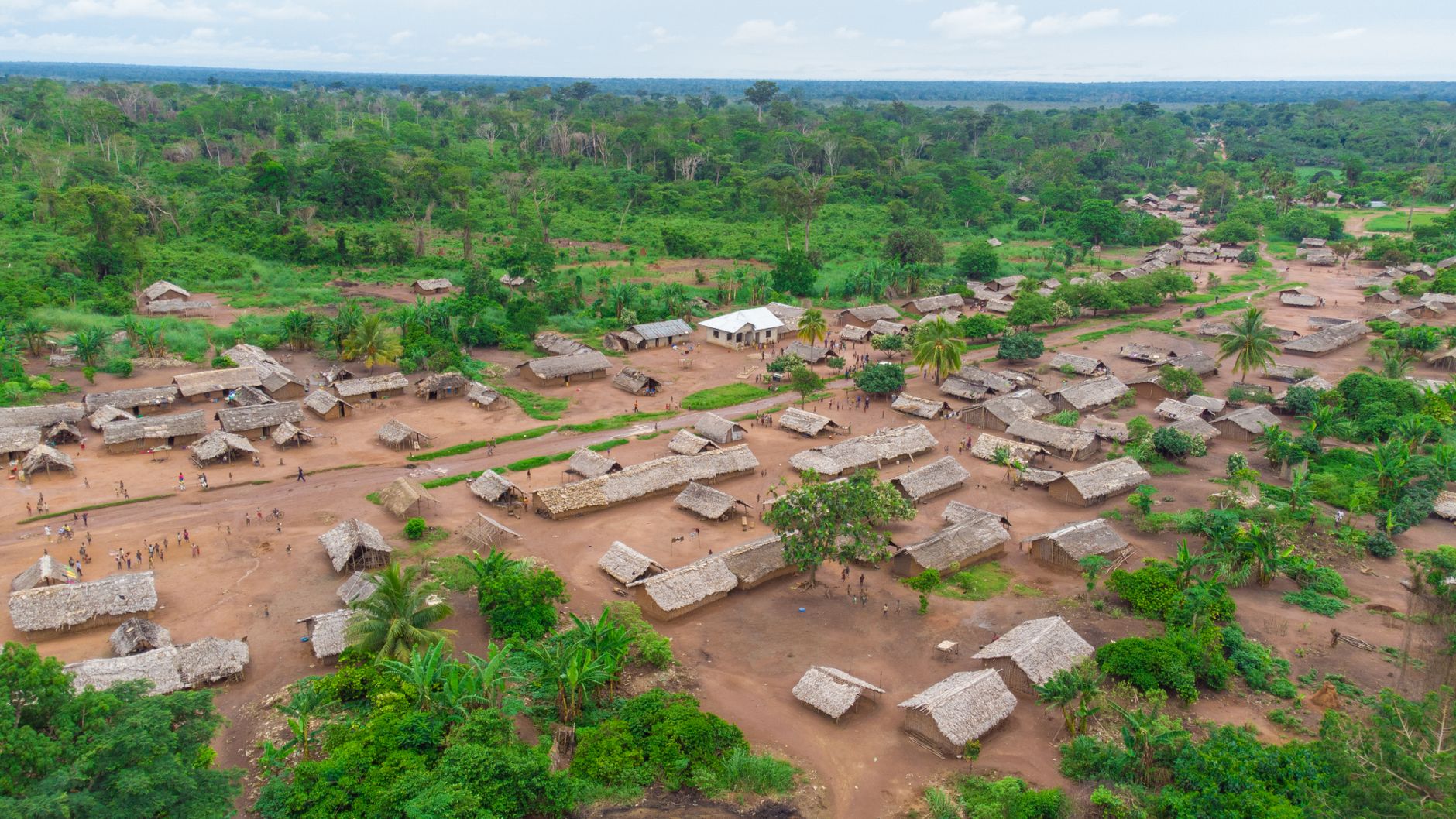
Photo by Hervé Kashama on Pexels
The Mongo People's Forest Kingdoms Existed Without Cities
On January 15, 1885, German explorer Hermann von Wissmann encountered the Mongo people in the Congo Basin, near the city of Bolobo. Von Wissmann's account of the encounter, recorded in his book "My Second Journey to Equatorial Africa", reveals that the Mongo people had built complex societies without traditional cities. Historian Jan Vansina, in his book "The Tio Kingdom of the Middle Congo", notes that the Mongo people's forest kingdoms were a unique phenomenon in African history.
What Everyone Knows
Most people think that the development of cities is a necessary step in the creation of complex societies. The standard story goes that as populations grow, they inevitably give rise to urban centers, which in turn become the seats of power and culture. This narrative is often applied to African societies, with the assumption that the absence of cities is a sign of a lack of sophistication or complexity. However, the Mongo people's forest kingdoms challenge this conventional wisdom, as they were able to build and maintain complex societies without the presence of traditional cities.
What History Actually Shows
Historian David Northrup, in his book "Africa's Discovery of Europe", argues that the Mongo people's forest kingdoms were highly organized and efficient, with a system of governance that was based on kinship ties and territorial affiliations. On January 1, 1900, the Belgian colonial administration began to take an interest in the Mongo people's forest kingdoms, and their reports provide valuable insights into the social and political structures of these societies. According to historian Vansina, the Mongo people's system of governance was based on a network of village clusters, each with its own system of governance and decision-making, which allowed for a high degree of autonomy and flexibility. By 1920, the Belgian colonial administration had begun to exert more control over the Mongo people's forest kingdoms, leading to significant changes in their social and political structures. Historian Jean-Luc Vellut, in his book "The Congo River Basin in the 19th Century", notes that the Mongo people's forest kingdoms were able to resist colonial encroachment for many years, due to their decentralized system of governance and their knowledge of the forest environment. On December 31, 1959, the Congo gained independence from Belgium, and the Mongo people's forest kingdoms were finally able to reassert their autonomy and self-governance.
The Part That Got Buried
Historians like Jan Vansina and anthropologists such as Colin Turnbull actively contributed to the suppression of the Mongo people's story by focusing on more "traditional" African kingdoms with centralized cities. The decision by the Belgian colonial administration to prioritize the study of more "urbanized" African societies also played a significant role in burying the history of the Mongo people's forest kingdoms. For instance, the administration's emphasis on researching the Kongo kingdom, which had a more formalized city structure, diverted attention and resources away from the study of the Mongo people's unique decentralized system. As a result, the Mongo people's history was not documented in the same way, and their story was gradually forgotten over time. The fact that the Mongo people's language and cultural practices were not deemed "exotic" enough to warrant extensive study by European colonizers and academics further contributed to the lack of attention paid to their history.
The Ripple Effect
The Mongo people's forest kingdoms had a direct impact on the modern-day conservation efforts in the Congo Basin. The traditional practices of the Mongo people, such as their sustainable farming and hunting methods, have influenced the development of community-led conservation initiatives in the region. For example, the establishment of the Salonga National Park, a protected area that covers a significant portion of the Congo Basin, can be directly linked to the historical presence of the Mongo people's forest kingdoms. The park's conservation efforts have been shaped by the traditional knowledge and practices of the Mongo people, demonstrating the lasting legacy of their unique societal structure.
The Line That Says It All
The Mongo people's forest kingdoms were ultimately destroyed by the very colonial powers that failed to acknowledge their existence, leaving behind a legacy of displacement and cultural erasure.
A Note on Sources
This article draws on historical records, documented accounts, and academic research related to the history and culture of the Mongo people in the Congo region.


