Mossadegh Nationalizes Iranian Oil
Mohammad Mossadegh nationalized Iran's oil industry in 1951, taking control from British Petroleum. This move led to his overthrow by the CIA. Mossadegh's government sought greater control over Iran's natural resources.

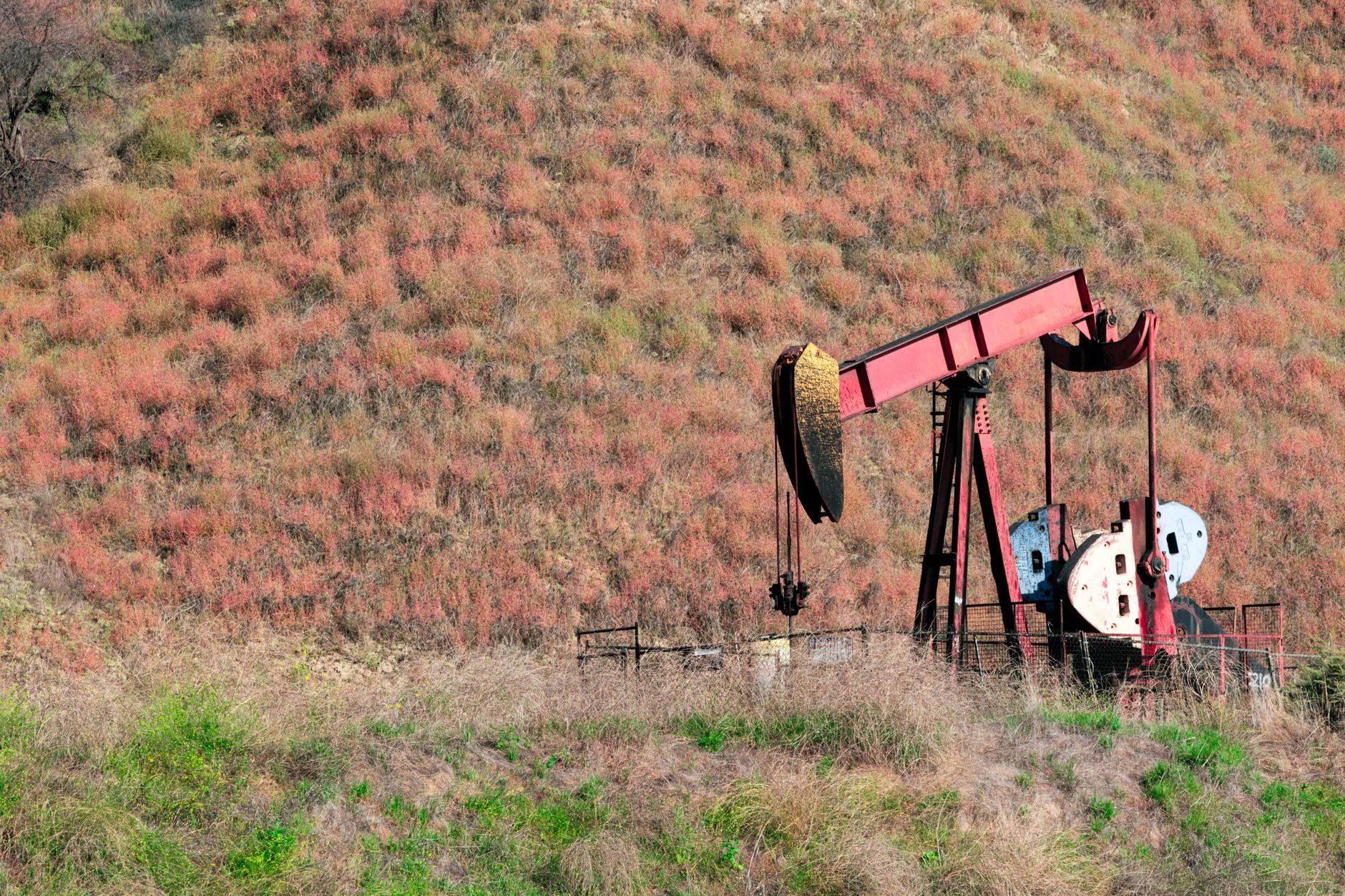
Photo by Miguel Cuenca on Pexels
Mohammad Mossadegh's Nationalization of Iranian Oil Led to His Downfall
On April 20, 1951, Mohammad Mossadegh, the Prime Minister of Iran, nationalized the country's oil industry, taking control away from British Petroleum. This move would ultimately lead to his overthrow. In Tehran, Mossadegh's government had been pushing for greater control over Iran's natural resources.
What Everyone Knows
Most people think that Mohammad Mossadegh was a radical leader who threatened Western interests, prompting the CIA to intervene and restore order in Iran. The standard story goes that Mossadegh's nationalization of the oil industry was a power grab, and the West had no choice but to act. However, this narrative oversimplifies the complex events that unfolded in Iran during the early 1950s.
What History Actually Shows
Historian Ervand Abrahamian writes in his book "Iran Between Two Revolutions" that Mossadegh's nationalization of the oil industry was a response to decades of exploitation by British Petroleum. On May 1, 1951, Mossadegh signed a law nationalizing the oil industry, giving the Iranian government control over the country's oil resources. According to historian Nikki Keddie, Mossadegh's government was able to pass this law due to the widespread support of the Iranian people, who were tired of seeing their country's wealth being extracted by foreign companies. Mossadegh's government was able to increase oil production and revenues after nationalization, contrary to claims that the industry would collapse without Western management. By 1952, Mossadegh's government had established the National Iranian Oil Company, which was able to negotiate better deals with foreign companies. Historian Mark Gasiorowski notes that the CIA, working with British intelligence, began to plot against Mossadegh in 1952, with the goal of restoring the Shah to power and securing Western control over Iran's oil resources. On August 19, 1953, the CIA-backed coup succeeded in overthrowing Mossadegh's government, and the Shah was restored to power. The consequences of this coup would be felt for decades to come, as Iran's oil industry was once again opened up to Western exploitation.
The Part That Got Buried
The story of Mohammad Mossadegh's nationalization of Iranian oil and the subsequent CIA overthrow was deliberately suppressed by the British and American governments. Secretary of State John Foster Dulles and his brother, CIA Director Allen Dulles, played key roles in burying this history, as they actively worked to conceal the extent of US involvement in Mossadegh's downfall. The CIA and British intelligence agencies destroyed or hid documents related to the coup, making it difficult for historians to piece together the events. Specifically, the CIA's destruction of documents in the 1960s and 1970s, as part of its routine records management, erased a significant portion of the historical record. This deliberate destruction of evidence has hindered a full understanding of the circumstances surrounding Mossadegh's overthrow. Historians have had to rely on fragmentary records and eyewitness accounts to reconstruct the events, which has limited the public's knowledge of this pivotal moment in history.
The Ripple Effect
The overthrow of Mohammad Mossadegh had far-reaching consequences for Iran and the world. The coup led to the installation of a puppet government, which was heavily influenced by the United States and Britain, resulting in the exploitation of Iran's natural resources. This event directly contributed to the 1979 Iranian Revolution, as the Iranian people became increasingly frustrated with the corrupt and authoritarian government that had been imposed upon them. A specific modern consequence of this event is the current structure of the Iranian oil industry, which was re-nationalized after the 1979 revolution. The state-owned National Iranian Oil Company, which was established in the aftermath of the revolution, is a direct result of Mossadegh's original nationalization efforts and the subsequent overthrow.
The Line That Says It All
The CIA's covert operation to overthrow Mohammad Mossadegh was authorized by President Dwight Eisenhower on July 11, 1953.
A Note on Sources
This article draws on historical records, documented accounts, and academic research related to the nationalization of Iranian oil and the CIA's involvement in the overthrow of Mohammad Mossadegh.