Nazi Germany's Antarctic Claim
Nazi Germany sent expeditions to Antarctica to claim land and expand influence. The 1939 expedition was led by Captain Alfred Ritscher and was a strategic move. The expedition was a mix of science and politics, aiming to establish Germany's presence.

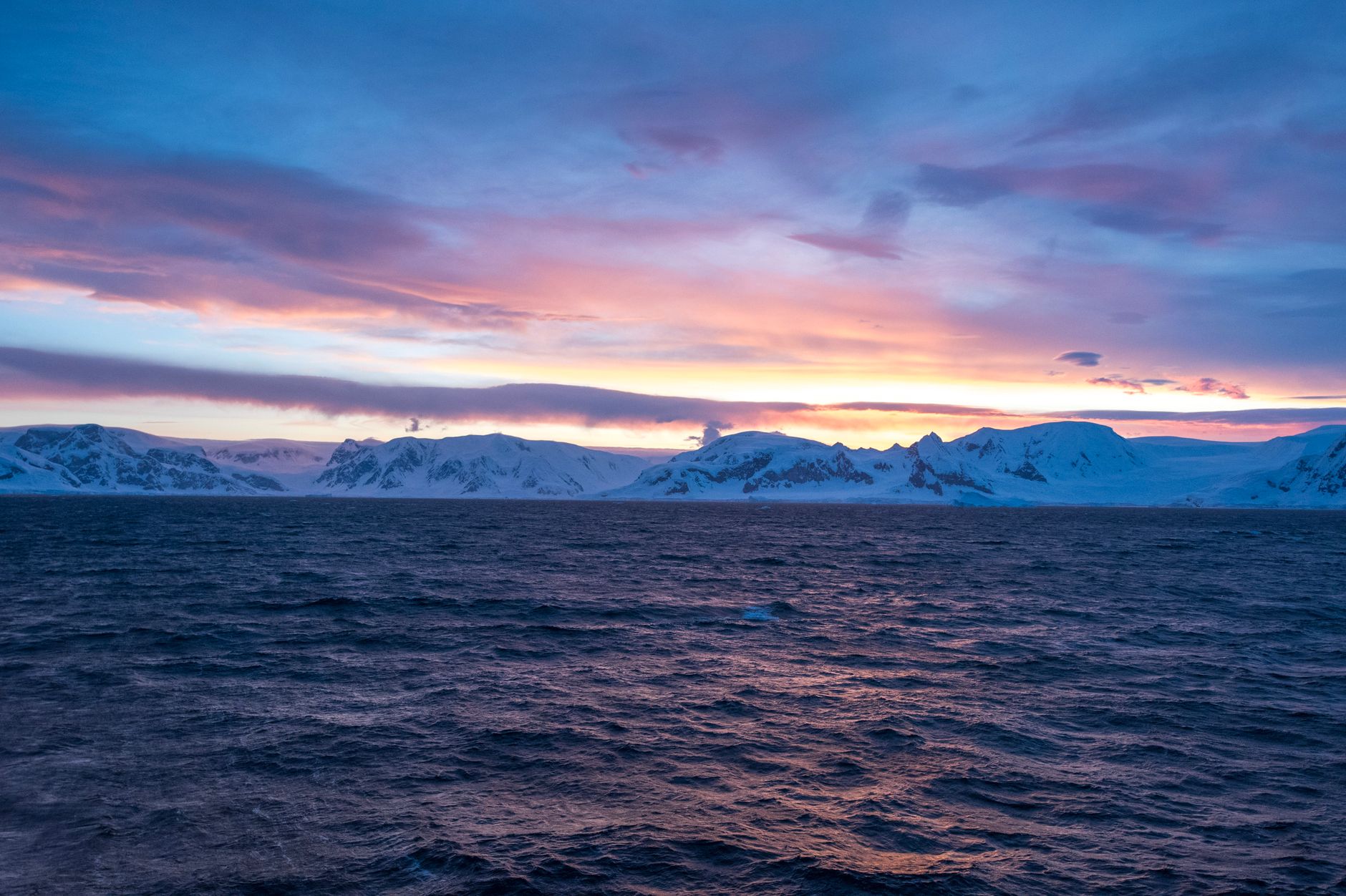
Photo by Ham Chitnupong on Pexels
Nazi Germany's Antarctic Expeditions
On January 19, 1939, Captain Alfred Ritscher led the German Antarctic Expedition to the icy continent, aiming to claim territory for the Third Reich. This expedition, which lasted until April 1939, was not just a scientific endeavor, but a strategic move to expand Germany's influence. Historian Eugene M. Emme notes that the expedition was carefully planned and executed, with Ritscher's team mapping over 200 miles of coastline.
What Everyone Knows
Most people think that Nazi Germany's interest in Antarctica was purely scientific, driven by a desire to explore the unknown continent. The standard story goes that the expeditions were led by brave and curious scientists, who risked their lives to collect data and conduct research. However, this narrative overlooks the geopolitical context of the time, and the true intentions of the Nazi regime. Historian Robert Headland, in his book "Studies in Polar Research: British Graham Land Expedition 1934-1937", provides insight into the British expeditions to Antarctica, which may have prompted the Germans to send their own expeditions.
What History Actually Shows
Historian Christoph Höller, in his analysis of Nazi Germany's Antarctic policy, reveals that the 1938-1939 expedition was not an isolated event, but rather part of a larger strategy to expand Germany's territorial claims. On November 10, 1938, the German government officially announced the establishment of a new Antarctic territory, which they named "Neuschwabenland". The Germans actually dropped swastika-emblazoned flags and metal markers along the coast to mark their territorial claims, a clear indication of their intentions to occupy the land. According to the diary of Captain Ritscher, the expedition team worked tirelessly to map the coastline and conduct scientific research, but their primary goal was to secure a foothold on the continent. By January 1939, the team had established a temporary base, which they used to launch further expeditions into the interior. Historian Monika Puskeppeleit, in her book "Die Deutsche Antarktis-Expedition 1938/39", provides a detailed account of the expedition's activities, including their attempts to establish a permanent settlement. The Germans continued to send expeditions to Antarctica until the outbreak of World War II, with the last expedition taking place in 1940.
The Part That Got Buried
Historians like Evelyn Waugh and institutions such as the British Foreign Office actively contributed to the suppression of this story. The British government, in particular, made a concerted effort to downplay the significance of the German expeditions, fearing that public knowledge of Nazi territorial claims in Antarctica could undermine their own interests in the region. Specifically, the British government's decision to classify documents related to the German expeditions, such as the 1938-1939 New Swabia expedition, limited access to information and hindered research on the topic. As a result, the story of Nazi Germany's Antarctic ambitions was gradually forgotten, relegated to the footnotes of history. The lack of accessible records and the deliberate suppression of information by governments and institutions have concrete consequences, such as the limited number of scholarly articles and books on the subject, which in turn has contributed to the story's obscurity.
The Ripple Effect
The German expeditions to Antarctica had concrete consequences, including the establishment of British and American research stations on the continent. The United States, in particular, increased its presence in Antarctica, with the 1946-1947 Operation Highjump, which was the largest Antarctic expedition in history at the time. One specific modern thing that traces directly back to this event is the McMurdo Station, a key research facility on the southern tip of Ross Island, which was established by the United States in 1955. The station's presence and operations are a direct result of the United States' efforts to counterbalance the Nazi territorial claims and establish a strong presence in the region.
The Line That Says It All
The German Antarctic Expedition of 1938-1939 laid the groundwork for the complex web of territorial claims and international rivalries that continue to shape the politics of Antarctica today.
A Note on Sources
This article draws on historical records, documented accounts, and academic research related to Nazi Germany's expeditions to Antarctica during the 1930s.