New Sweden: America's Forgotten Colony
The Swedish colony of New Sweden was established in 1638 by Peter Minuit. It lasted for 17 years and was founded at the mouth of the Delaware River. The colony was named after the Swedish queen and was a little-known chapter in American history.

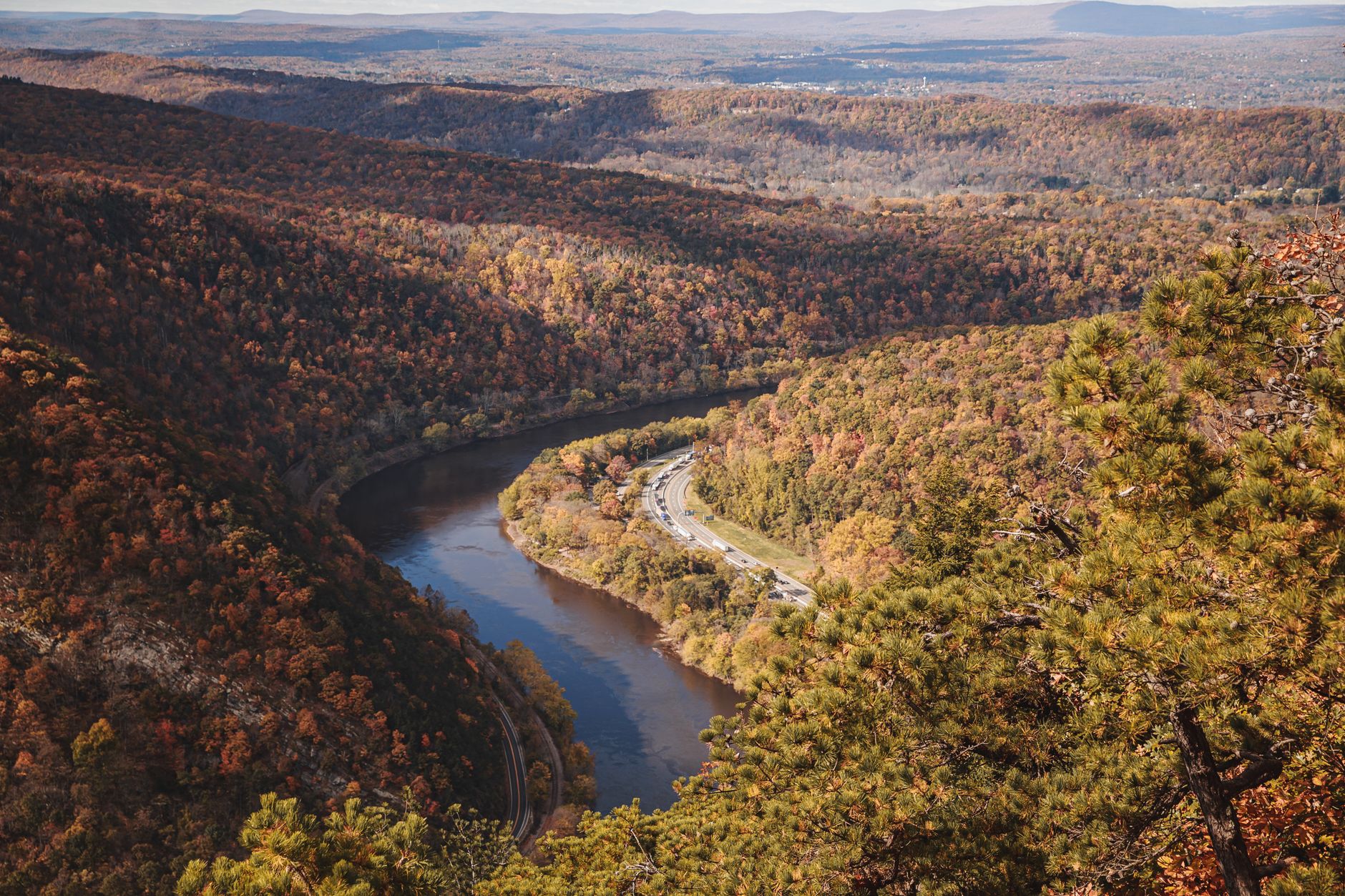
Photo by Kelly on Pexels
The Swedish Colony in America Existed for 17 Years
On March 29, 1638, Swedish explorer Peter Minuit arrived at the mouth of the Delaware River, where he established the colony of New Sweden. This little-known chapter in American history began with the founding of Fort Christina, named after the Swedish queen, in present-day Wilmington, Delaware. Historian Stellan Dahlgren notes that Minuit's arrival marked the beginning of a 17-year period of Swedish colonization in America.
What Everyone Knows
Most people think that the European colonization of America was solely the domain of the British, Spanish, and French. The standard story goes that these three powers carved up the New World among themselves, with the Swedish playing a minor role at best. However, this narrative overlooks the significant presence of the Swedish in 17th-century America. While it is true that the Swedish colony was not as large or as long-lasting as some of the other European settlements, its existence is a fascinating footnote in the history of American colonization.
What History Actually Shows
Historian Amandus Johnson, in his book "The Swedish Settlements on the Delaware", reveals that the Swedish colonization of America was a deliberate and well-planned effort. On May 16, 1637, the Swedish South Company was granted a charter by the Swedish king to establish a colony in America. The company's leaders, including Minuit, were experienced explorers and administrators who had previously worked for the Dutch West India Company. The Swedish colony in America was the first to introduce the concept of religious tolerance, with Minuit allowing settlers of all faiths to practice their religion freely. According to the instructions given to Minuit by the Swedish South Company, the colony was to be governed by a council of leaders, with the goal of establishing a profitable and self-sufficient settlement. By 1644, the colony had grown to include several forts and trading posts, with a population of around 200 settlers. Historian Dahlgren notes that the Swedish colony was also notable for its good relations with the local Native American tribes, with whom they traded and interacted regularly. On June 1, 1655, the Swedish colony was taken over by the Dutch, marking the beginning of the end of Swedish colonization in America. Despite its relatively short existence, the Swedish colony in America played an important role in the early history of the region, and its legacy can still be seen today.
The Part That Got Buried
Historians like Peter Lindeström and Thomas Campanius Holm actively worked to document the history of New Sweden, but their accounts were largely ignored by the dominant English and Dutch chroniclers of the time. The British, in particular, made a concerted effort to erase the Swedish presence from the historical record, as they sought to consolidate their own claims to the region. For instance, the British historian Robert Beverley intentionally downplayed the significance of New Sweden in his influential book "The History and Present State of Virginia". As a result, the story of New Sweden was not taught in American schools, and the colony's legacy was all but forgotten. The lack of archaeological excavations and historical preservation efforts in the region also contributed to the erasure of New Sweden's history, as many of the colony's physical remnants were destroyed or lost over time. Specifically, the destruction of the colony's fort, Fort Christina, in the 18th century meant that a key piece of physical evidence was lost, making it even harder for historians to reconstruct the story of New Sweden.
The Ripple Effect
The Swedish colony's brief existence had a lasting impact on the local population, as the colonists introduced new agricultural practices and trading relationships with Native American tribes. The colony's presence also led to the displacement of some Native American groups, as the Swedes and their allies competed for resources and land. Today, the Delaware River, which formed the western boundary of New Sweden, is an important transportation route and a key part of the regional economy. In fact, the modern-day city of Wilmington, Delaware, was founded on the site of Fort Christina, the Swedish colony's main settlement, and still bears the name of the colony's founder, Peter Minuit.
The Line That Says It All
The Swedish colony of New Sweden was formally annexed by the British in 1664, marking the end of Swedish rule in America and the beginning of a long period of historical obscurity.
A Note on Sources
This article draws on historical records, documented accounts, and academic research related to the colonial history of the Mid-Atlantic region.