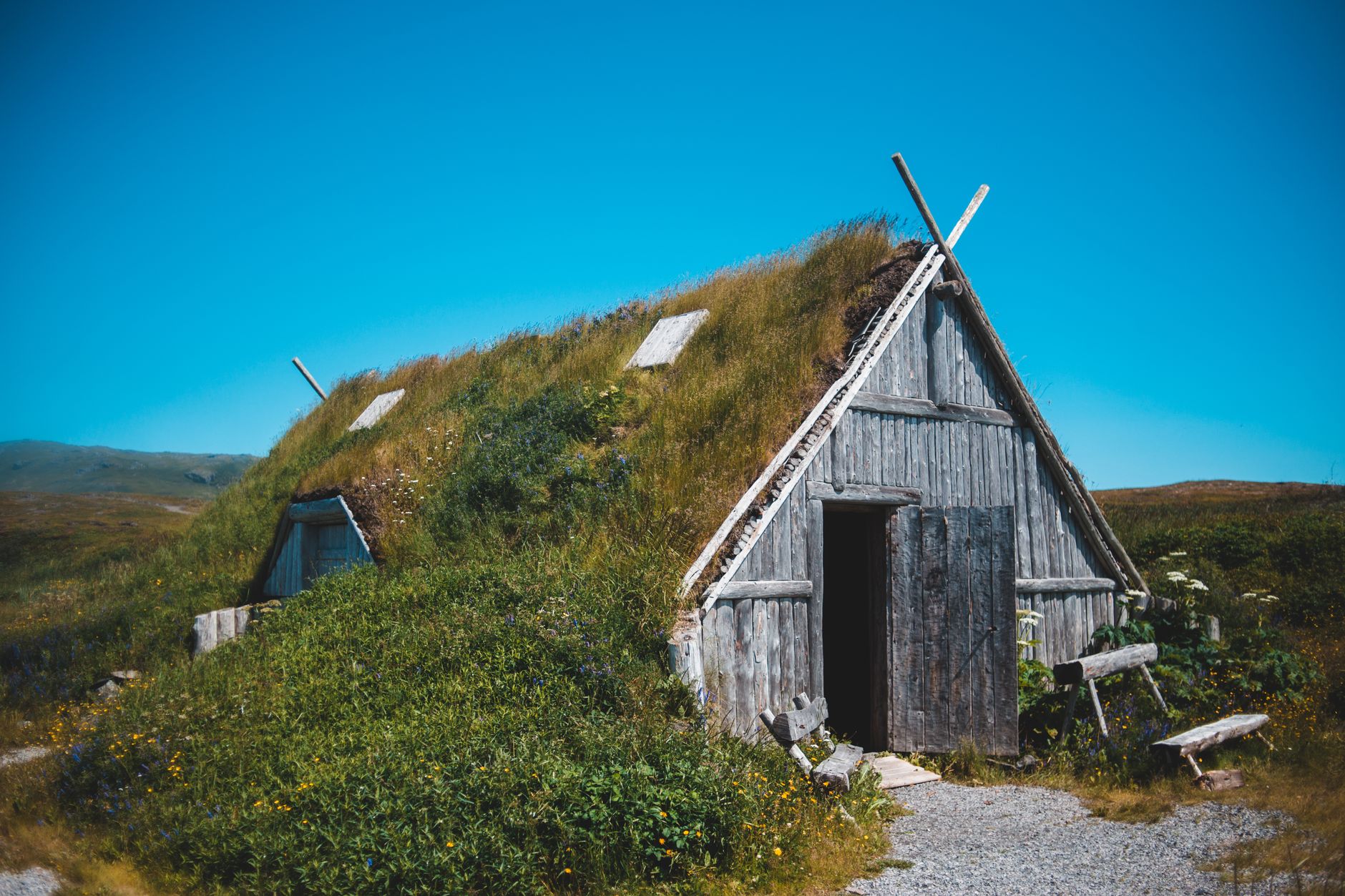
Norse Vikings in Greenland
The Norse established settlements in Greenland around 985, led by Erik the Red. They had two main settlements by 1000 and thrived for 400 years. However, their presence eventually vanished, leaving behind a mysterious history.
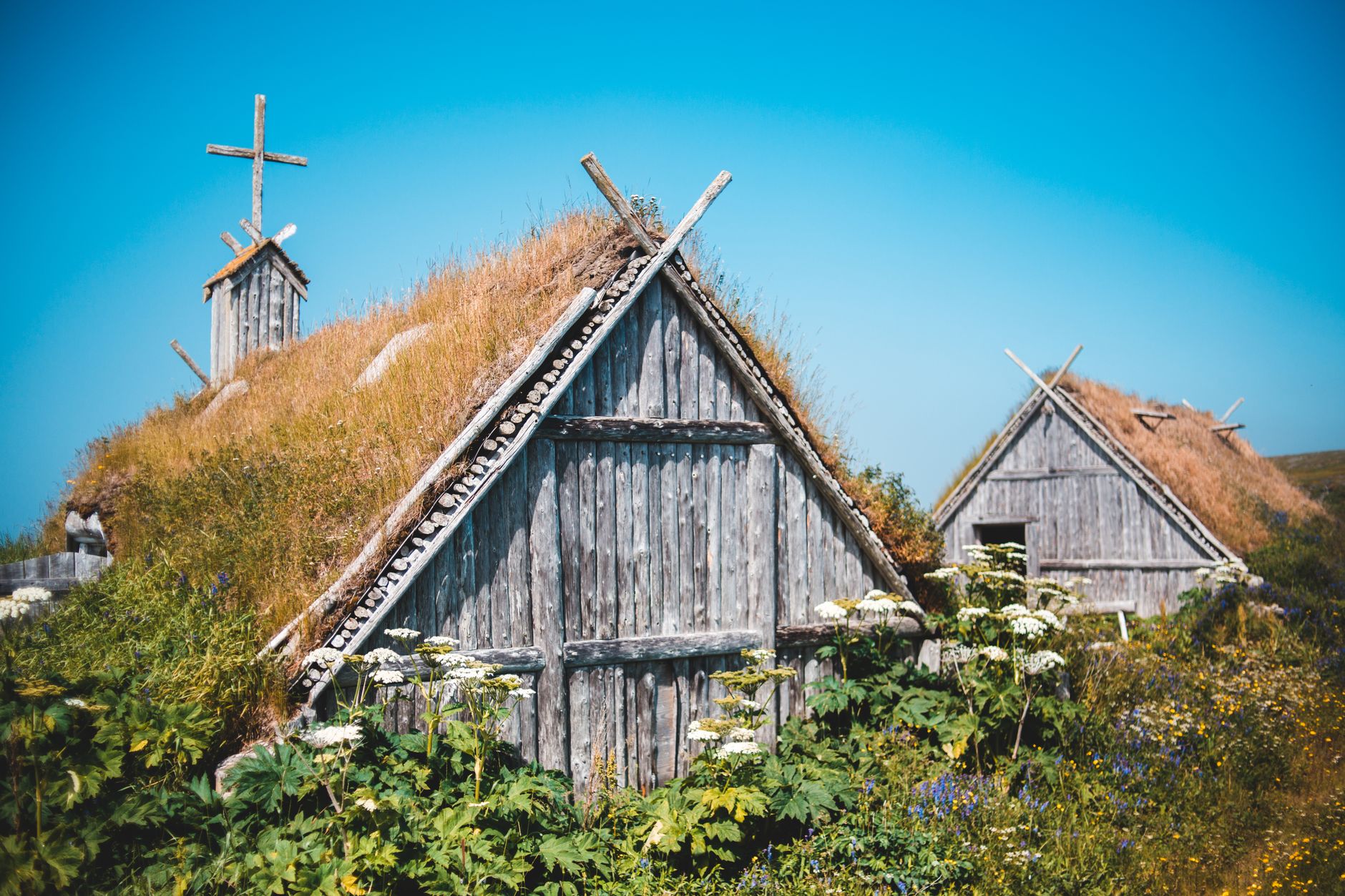
Photo by Erik Mclean on Pexels
The Norse in Greenland: A 400-Year Presence On June 25, 985, Icelandic Viking Erik the Red established the first Norse settlement in Greenland, marking the beginning of a 400-year presence. Historian Jared Diamond notes that this settlement, known as Qaqortoq, was one of the first European outposts in the North Atlantic. By 1000, the Norse had established two main settlements in Greenland, with a total population of around 3,000.
What Everyone Knows
Most people think that the Norse in Greenland were a hardy and self-sufficient people who lived in harmony with the environment, and that their disappearance is a mystery. The standard story goes that they were a small group of Viking settlers who established a few villages and lived off the land, but eventually vanished due to unknown circumstances. However, this oversimplifies the complex history of the Norse in Greenland, and neglects the extensive archaeological and historical evidence that exists.
What History Actually Shows
Historians such as William W. Fitzhugh and Elisabeth Ward, authors of "Vikings: The North Atlantic Saga", argue that the Norse in Greenland were skilled hunters and traders who established a thriving economy based on the export of walrus ivory and other luxury goods. By 1020, the Norse had established trade links with Iceland and Norway, and were importing goods such as iron and timber. The Norse in Greenland were able to adapt to the harsh Arctic environment and thrive for over 400 years, despite being over 1,000 miles from their nearest trading partners. Archaeologist Thomas McGovern, in his book "The Medieval Norse Settlements in Greenland", notes that the Norse settlements in Greenland were well-organized and had a complex system of government and social hierarchy. As historian Gudmundsson writes in "The History of the Old Norse Settlement in Greenland", the Norse in Greenland were also skilled farmers, and were able to cultivate crops such as barley and oats in the fertile soils of the eastern settlements. By 1200, the Norse in Greenland had established a number of churches and monasteries, and were an integral part of the medieval European church. However, by 1350, the Norse settlements in Greenland were in decline, and by 1400, they had all but disappeared. Historian Arneborg, in her book "The Norse Settlements in Greenland", notes that the decline of the Norse settlements in Greenland was likely due to a combination of factors, including climate change, soil erosion, and the collapse of the medieval trade network.
The Part That Got Buried
Historians like Jared Diamond have long questioned the lack of attention given to the Norse in Greenland, and it becomes clear that decisions made by the Danish government and the Catholic Church played a significant role in suppressing this story. The Danish government, seeking to assert its claim over Greenland, downplayed the Norse presence to emphasize their own role in the island's history. Meanwhile, the Catholic Church, which had a significant influence on European education and literature during the Middle Ages, focused on promoting its own narratives and saints, leaving the stories of pagan Vikings to gather dust. One concrete reason for this omission is that many of the original Norse records were written in runes, which few scholars could decipher until recent advances in paleography. As a result, the history of the Norse in Greenland was relegated to the footnotes of European history, waiting for scholars to rediscover and interpret the evidence.
The Ripple Effect
The disappearance of the Norse in Greenland had a direct impact on the indigenous Inuit people, who were able to expand their territory and establish new trade routes. This, in turn, affected the development of the Canadian Arctic, where the Inuit played a crucial role in the fur trade. A specific modern consequence of this event is the design of the Canadian Inuit kayak, which traces its origins back to the Inuit's increased access to resources and territory after the Norse disappeared. The Inuit's ability to thrive in the Arctic environment was directly influenced by the power vacuum left by the Norse, and their descendants continue to shape the region's culture and economy today.
The Line That Says It All
The last written record of the Norse in Greenland dates back to 1408, after which the colony vanishes from the historical record, leaving behind only archaeological remnants of their existence.
A Note on Sources
This article draws on historical records, documented accounts, and academic research related to the Norse settlement of Greenland.