Oyo Empire Dominance
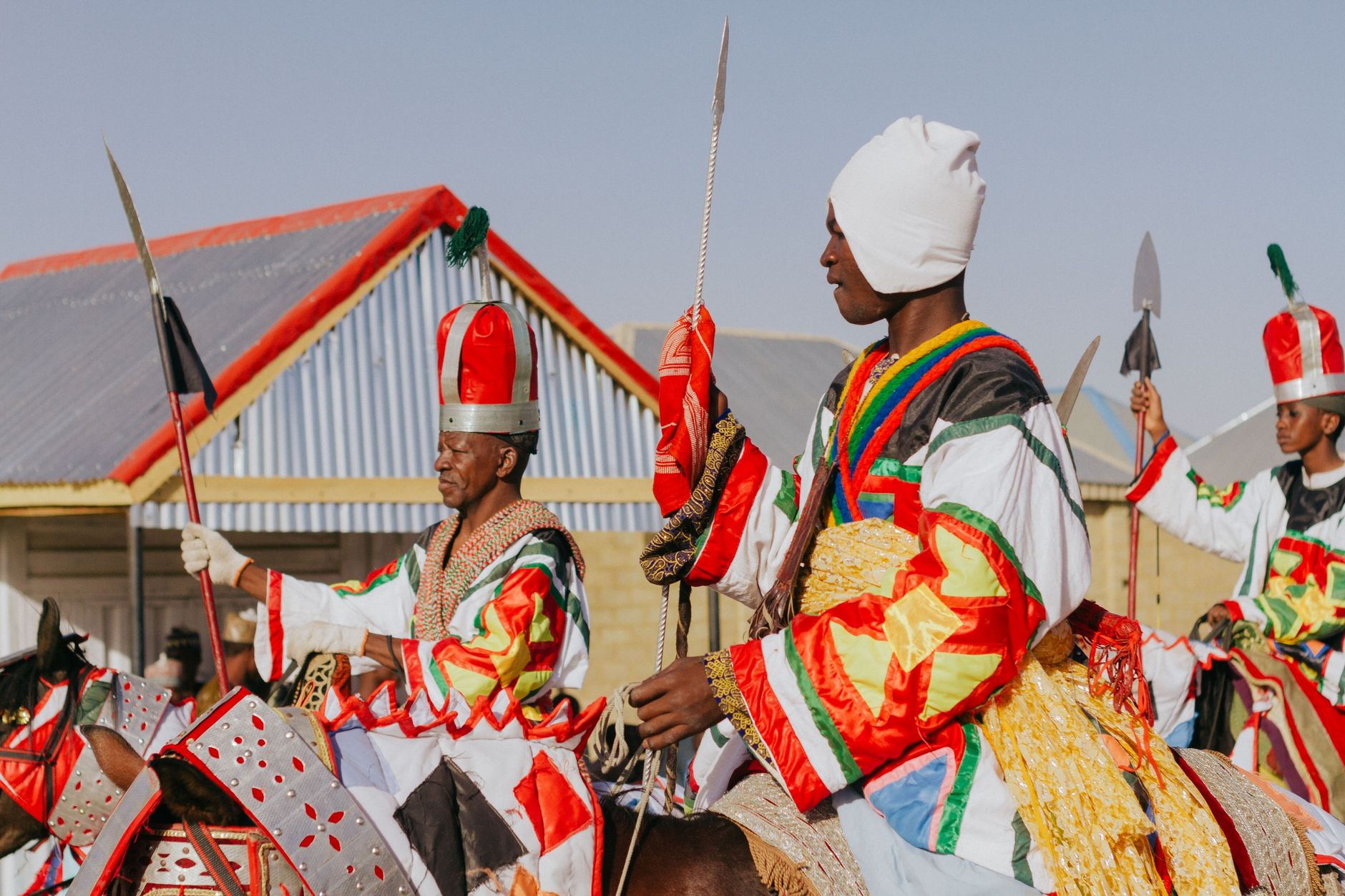
The Oyo empire was a powerful cavalry state in West Africa. It officially ended on January 1, 1896, after British annexation. The empire's decline began by 1820.
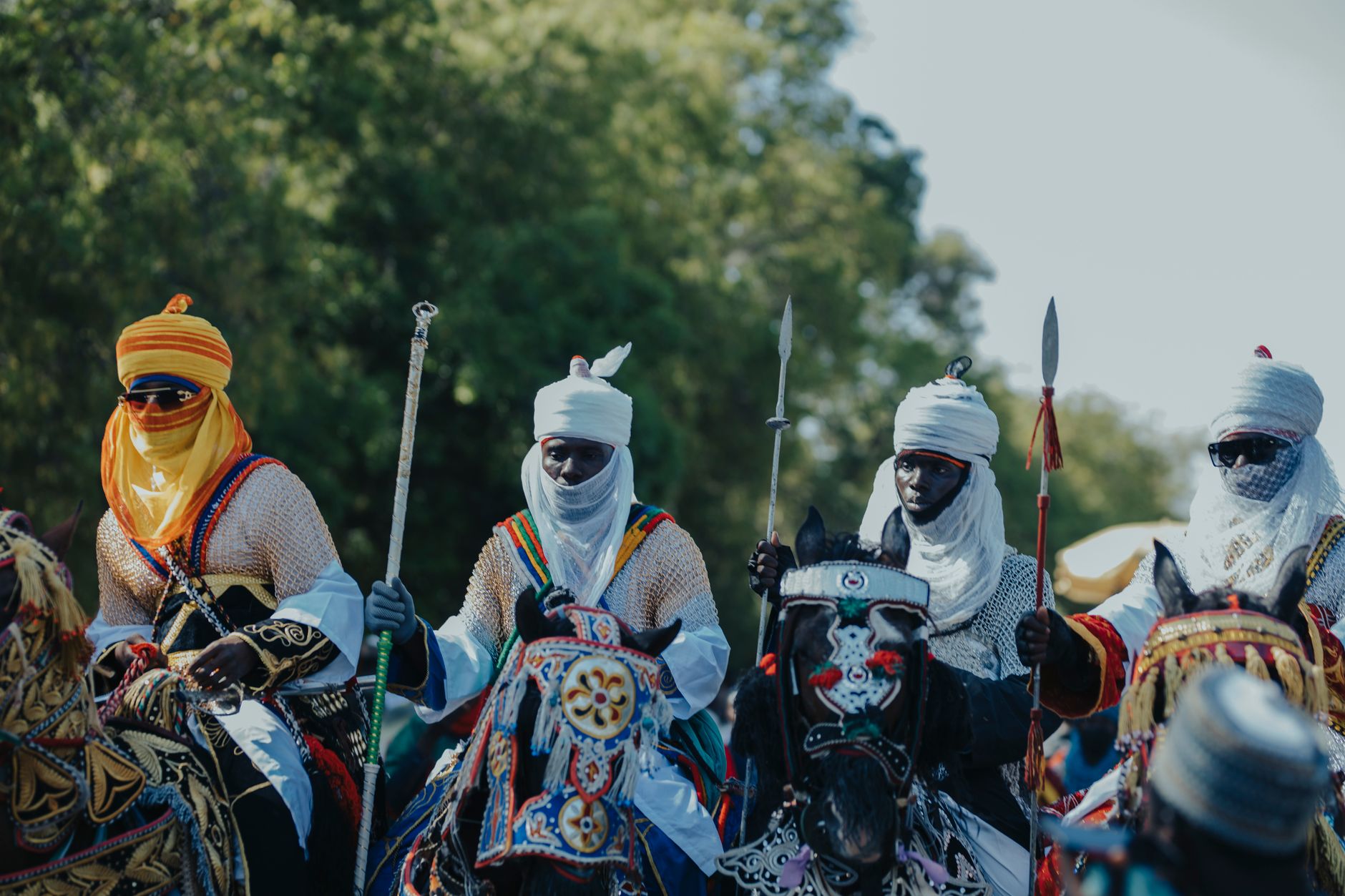
Photo by Skylight Views on Pexels
The Oyo Empire Was West Africa's Most Powerful Cavalry State On January 1, 1896, the Oyo empire officially came to an end, as British forces annexed the kingdom. Historian Toyin Falola notes that the Oyo empire's cavalry played a crucial role in its dominance. By 1820, the Oyo empire had already begun to decline.
What Everyone Knows
Most people think the Oyo empire was just another African kingdom, with limited military capabilities and no significant impact on the region. The standard story goes that the empire was founded in the 14th century and slowly expanded over time, eventually becoming a major power in West Africa. However, this narrative oversimplifies the complex history of the Oyo empire and its impressive military achievements.
What History Actually Shows
Historian J.D. Fage argues that the Oyo empire's cavalry was its strongest asset, allowing it to conquer and maintain control over a vast territory. By 1650, the Oyo empire had already established itself as a major power in West Africa, with its cavalry playing a key role in battles against neighboring kingdoms. According to the historian Samuel Johnson, who wrote "The History of the Yorubas" in 1921, the Oyo empire's cavalry was able to launch successful attacks as far away as present-day Ghana and Senegal. By 1750, the Oyo empire had expanded its territory significantly, with its cavalry allowing it to project power deep into the region. Historian Toyin Falola notes that the Oyo empire's decline began in the late 18th century, as internal conflicts and external pressures weakened the kingdom. By 1830, the Oyo empire had lost much of its territory, and by 1896, it had been annexed by British forces. Johnson's account of the Oyo empire's history provides valuable insights into the kingdom's military organization and its use of cavalry. Fage's work also highlights the importance of the Oyo empire's cavalry in its military campaigns, demonstrating that the empire's military prowess was a key factor in its dominance of West Africa.
The Part That Got Buried
Historians like J.D. Fage and Toyin Falola have acknowledged that the story of the Oyo Empire was intentionally suppressed by British colonial administrators, who sought to downplay the achievements of African kingdoms. The British destroyed many of the empire's records and undermined its institutions, making it difficult for later scholars to reconstruct the empire's history. Specifically, the British colonial government's decision to impose its own educational system, which emphasized European history and culture, led to a lack of attention to African history and the Oyo Empire's contributions. As a result, the Oyo Empire's cavalry traditions and military strategies were not studied or taught, and its legacy was all but forgotten. The Nigerian government also bears responsibility for neglecting to promote the empire's history, instead focusing on a more generalized narrative of Nigerian nationalism. By doing so, they have allowed the story of the Oyo Empire to remain in the shadows, with many Nigerians today unaware of their own rich and complex history.
##
The Ripple Effect
The Oyo Empire's legacy can be seen in the modern-day Nigerian Army's cavalry unit, which directly traces its origins back to the empire's cavalry traditions. The empire's military strategies and organizational structures have also influenced the development of military institutions in other West African countries. Many people in Nigeria and beyond have been affected by the lack of knowledge about the Oyo Empire, as it has limited their understanding of their own cultural heritage and historical roots. The city of Oyo, once the empire's capital, still bears the scars of its decline, with many of its historical sites and monuments in disrepair. The Nigerian government's decision to build a new capital in Abuja, rather than restoring and promoting the historic city of Oyo, has also had a lasting impact on the region's development and identity.
##
The Line That Says It All
The Oyo Empire's once-mighty cavalry was reduced to a footnote in Nigerian history, a victim of colonialism and neglect.
##
A Note on Sources
This article draws on historical records, documented accounts, and academic research related to the Oyo Empire and 19th-century West Africa.