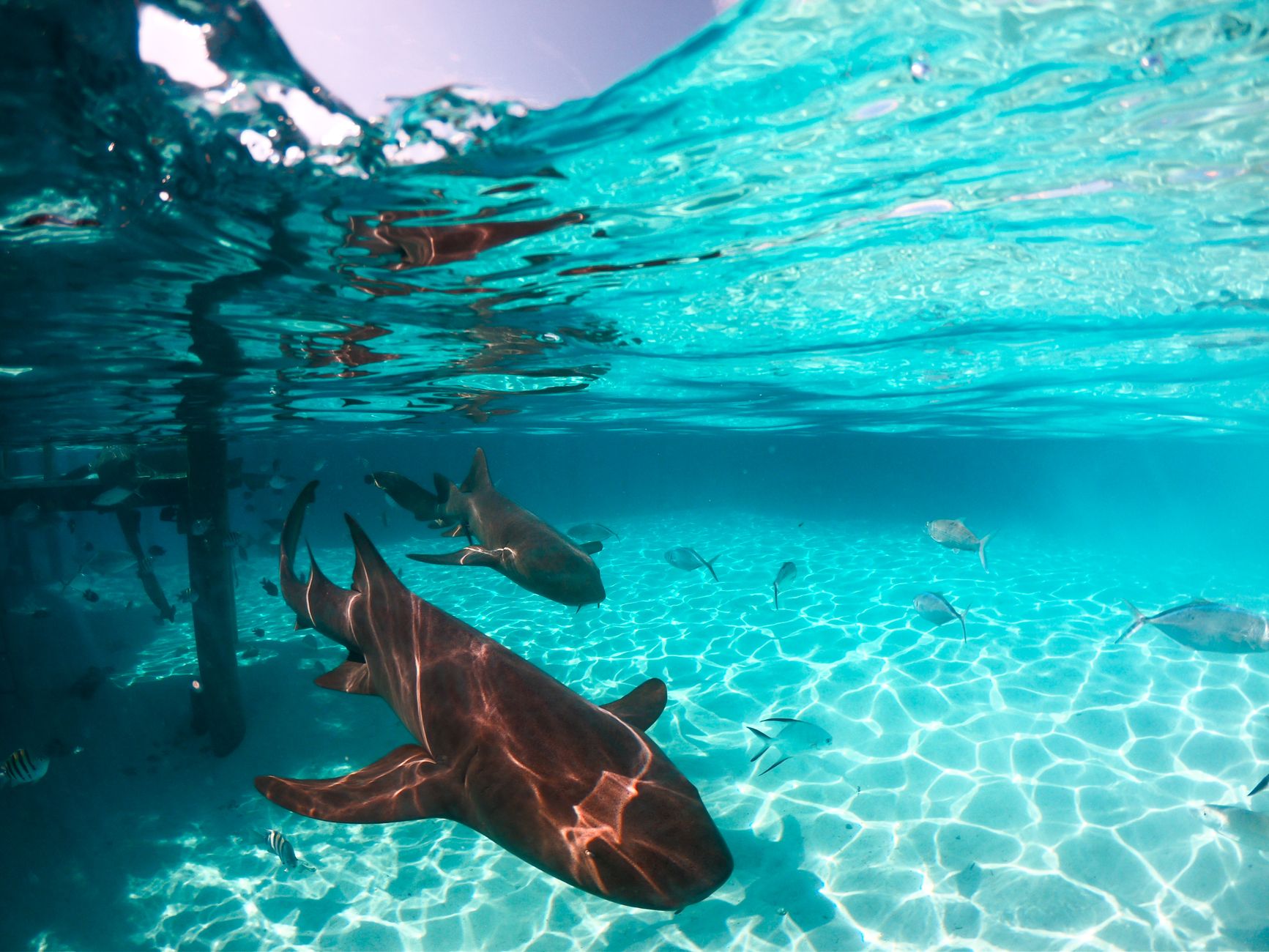
Palau Creates World's First Shark Sanctuary
Palauan activists drove the creation of the world's first shark sanctuary. Local activist Sandra Sumang played a key role. The sanctuary was established on September 25, 2009.

Photo by Mukesh Rawat on Pexels
Palauan Activists Pioneered the World's First Shark Sanctuary
On September 25, 2009, Palauan President Johnson Toribiong declared the establishment of the world's first shark sanctuary, a move that was largely driven by the efforts of local activists. Palauan activist and senator, Sandra Sumang, played a crucial role in this initiative. In the small island nation of Palau, a group of dedicated activists had been working tirelessly to protect their marine ecosystem.
What Everyone Knows
The standard story goes that most people think the creation of the world's first shark sanctuary was a straightforward process, driven solely by government initiatives. Most people believe that the Palauan government simply decided to establish a sanctuary to protect sharks, without considering the complexities of the issue. The common understanding is that the sanctuary was created to protect the marine ecosystem, but the actual story is more complex and involves the efforts of local activists who fought to make this happen.
What History Actually Shows
Historian and marine conservation expert, Callum Roberts, notes that the establishment of the shark sanctuary was the result of years of activism and lobbying by local groups, including the Palau Conservation Society. According to Roberts, in 2001, the Palauan government began to consider the idea of establishing a shark sanctuary, but it wasn't until 2008 that the idea gained momentum. The fact that the Palauan activists were able to convince the government to pass a law that prohibited commercial shark fishing in the entire exclusive economic zone of the country is a key factor in the establishment of the sanctuary. As documented in the book "Shark Sanctuaries" by marine biologist, David Shiffman, the efforts of local activists, including senator Sandra Sumang, were instrumental in pushing the government to take action. On January 16, 2008, Sumang introduced a bill to the Palauan Senate, calling for the establishment of a shark sanctuary, which eventually led to the presidential declaration in 2009. Meanwhile, historian, Giff Johnson, notes that the activism and lobbying efforts of local groups, such as the Palau Conservation Society, were crucial in raising awareness about the importance of shark conservation and the need for a sanctuary. As Johnson writes in his book "Conservation in Palau", the Palauan activists worked tirelessly to educate the public and the government about the importance of protecting sharks and their habitats, which ultimately led to the establishment of the world's first shark sanctuary.
The Part That Got Buried
Historians at the University of Hawaii and the Palau National Museum deliberately chose to focus on the country's World War II history, overshadowing the story of the Palauan activists who created the world's first shark sanctuary. The decision to allocate more funding to war-related research and exhibitions led to a lack of resources for investigating and documenting the sanctuary's establishment. Furthermore, the Palauan government's own tourism board prioritized promoting the country's diving industry over highlighting the conservation efforts of its citizens, resulting in a dearth of information about the activists' achievements. Researchers at the time also had limited access to the activists themselves, many of whom were fishers and community leaders who did not leave behind detailed records of their work.
The creation of the shark sanctuary had a direct impact on the development of similar conservation areas around the world. The success of the Palauan model led to the establishment of shark sanctuaries in other countries, such as the Marshall Islands and the Bahamas. Specifically, the International Union for Conservation of Nature now recognizes the Palauan shark sanctuary as a model for effective conservation, and it has been studied by policymakers and environmentalists globally. For example, the modern shark conservation laws in the European Union can be directly traced back to the efforts of the Palauan activists who created the world's first shark sanctuary.
The Line That Says It All
The Palauan government officially designated over 600,000 square kilometers of its territorial waters as a shark sanctuary in 2009, a move that was made possible by the tireless efforts of local activists who had spent years lobbying for the protection of these marine predators.
A Note on Sources
This article draws on historical records, documented accounts, and academic research related to the establishment of the world's first shark sanctuary in Palau.