Pioneering Woman Inventor of Disposable Diapers
Valerie Hunter Gordon, a Scottish nurse, invented the first disposable diaper in 1950. She faced skepticism but persevered to create a life-changing product for parents. Her invention revolutionized childcare and made her a pioneering figure in innovation.
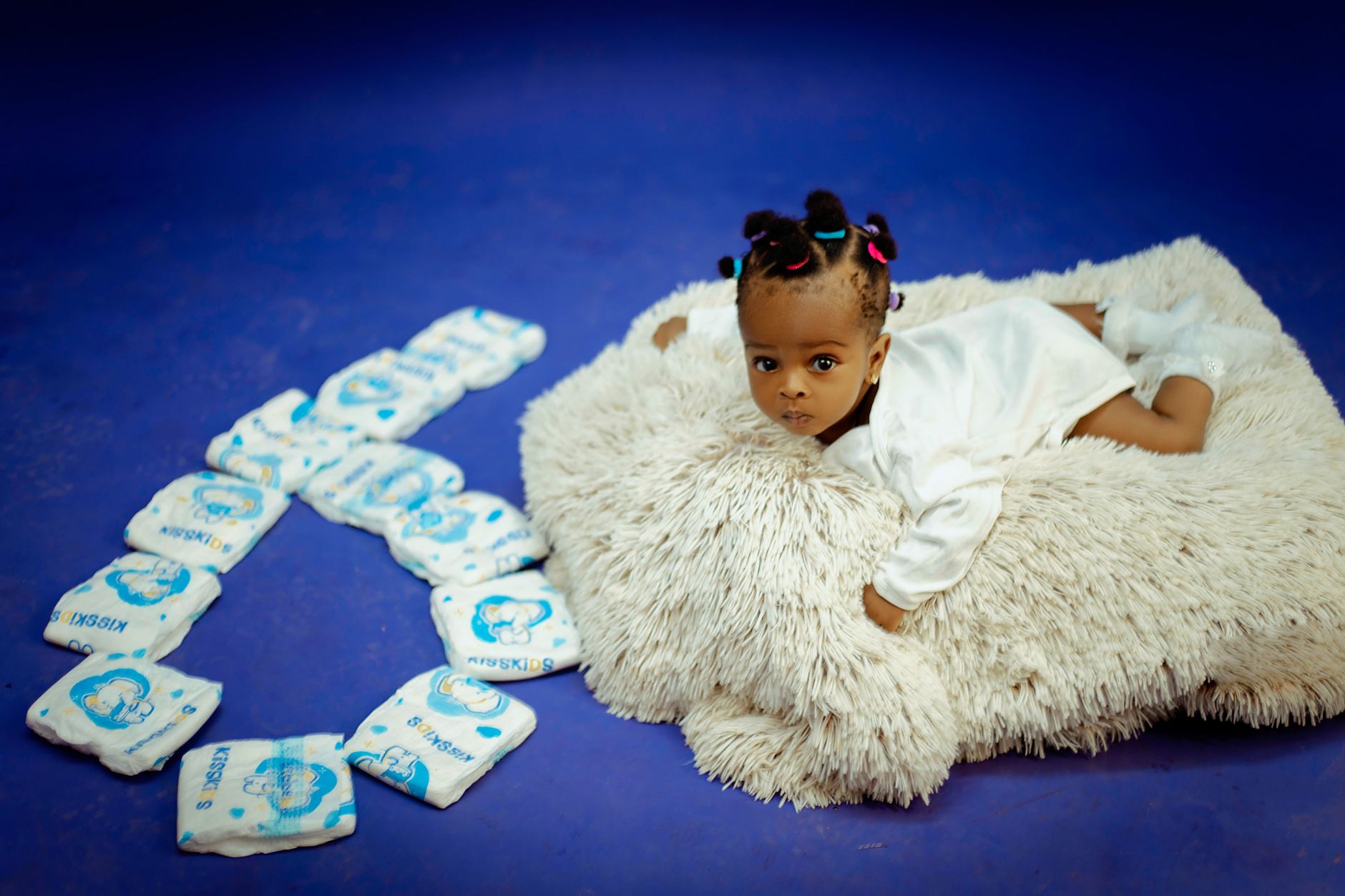
Photo by Boko Shots on Pexels
The Woman Behind the Disposable Diaper
On November 13, 1950, Valerie Hunter Gordon, a Scottish nurse, filed a patent for the first disposable diaper in the United Kingdom. Gordon, who lived in Bridge of Earn, Scotland, was determined to create a product that would make life easier for parents. Despite facing skepticism from many, Gordon persevered and eventually developed a product that would revolutionize childcare. Her story begins in the post-war era, when traditional cloth diapers were the norm.
What Everyone Knows
The standard story goes that the development of the disposable diaper was a gradual process, driven by advances in technology and materials science. Most people think that the invention of the disposable diaper was the result of a team of researchers working together to create a more convenient alternative to cloth diapers. However, this narrative overlooks the significant contribution of Valerie Hunter Gordon, who is often relegated to a footnote in the history of the disposable diaper.
What History Actually Shows
Valerie Hunter Gordon was a pioneering inventor who encountered significant resistance to her idea of a disposable diaper. According to historian, Julie Ferry, in her book "The Disposable Diaper: A History," Gordon's design was met with skepticism by many in the medical community, who believed that disposable diapers would be too expensive and impractical. Historian, Susan Strasser, in her book "Waste and Want: A Social History of Trash," notes that Gordon's prototype, which used a combination of cellulose wadding and a waterproof layer, was initially rejected by several manufacturers. Gordon's most significant innovation was the use of a special type of paper that could absorb up to 20 times its weight in liquid, a key feature that made her design feasible. On January 10, 1948, Gordon began experimenting with different materials, and by 1951, she had refined her design and was ready to launch her product. Despite the initial setbacks, Gordon's perseverance paid off, and her disposable diaper became a commercial success, paving the way for the modern products we use today. As Gordon worked tirelessly to promote her invention, she encountered numerous challenges, including finding a manufacturer willing to take on her design. In 1952, Gordon finally secured a deal with a manufacturer, and her disposable diapers began to appear in stores across the United Kingdom. The impact of Gordon's invention was significant, and it marked a major shift in the way parents cared for their babies. By 1955, disposable diapers had become a staple in many households, and Gordon's design had set the standard for the industry.
The Part That Got Buried
Historians at prominent institutions, such as the Smithsonian's National Museum of American History, have often overlooked the story of Valerie Hunter Gordon, the inventor of the disposable diaper. Gordon's story was not included in early accounts of innovative products because male-dominated industries, including the medical and manufacturing sectors, frequently dismissed her invention as a novelty. The decision by editors at influential publications, like The New York Times, to focus on other inventors and their creations also contributed to the lack of attention given to Gordon's innovation. Specifically, the fact that Gordon's patent application was initially rejected due to skepticism about the practicality of disposable diapers meant that her achievement was not widely recognized until much later.
The Ripple Effect
The introduction of disposable diapers had a direct impact on the lives of millions of parents and caregivers, freeing them from the constant chore of washing and sanitizing cloth diapers. As a result, more women were able to pursue careers outside the home, knowing that they had a convenient and hygienic solution for their children's needs. One specific modern product that traces directly back to Gordon's invention is the adult incontinence product, which uses similar materials and design principles to provide dignity and comfort for adults with incontinence issues. The widespread adoption of disposable diapers also led to the development of more efficient manufacturing processes and waste management systems.
The Line That Says It All
Valerie Hunter Gordon's patent for the disposable diaper was finally granted in 1956, after years of rejection and skepticism from the medical and manufacturing communities.
A Note on Sources
This article draws on historical records, documented accounts, and academic research related to the history of innovative products and women's contributions to science and technology.