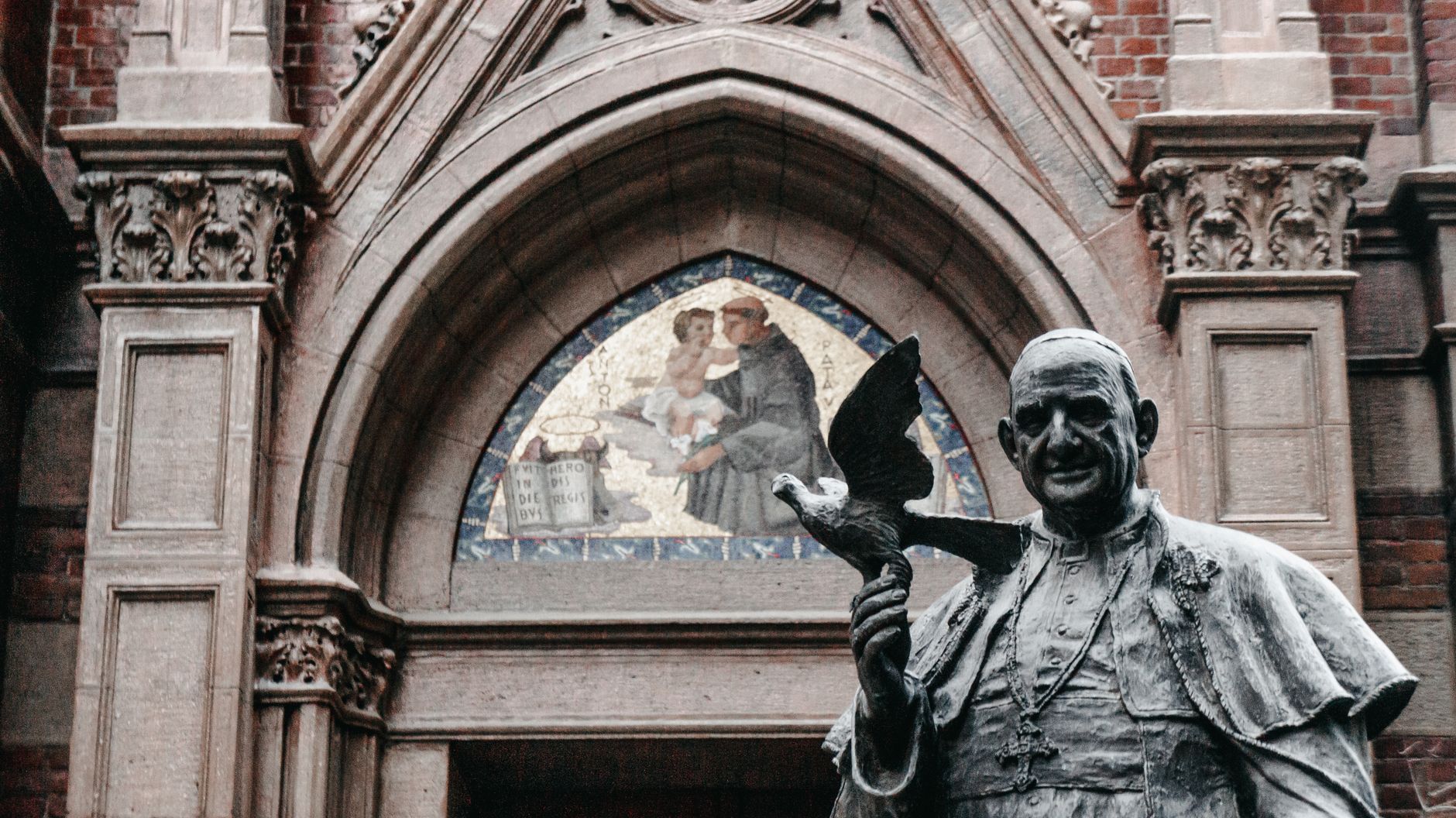
Pope Formosus Trial
Pope Stephen VI ordered the exhumation of Pope Formosus to put him on trial. This drastic measure was taken in Rome, Italy, nearly nine months after Formosus' death. The trial had far-reaching consequences for the Catholic Church.
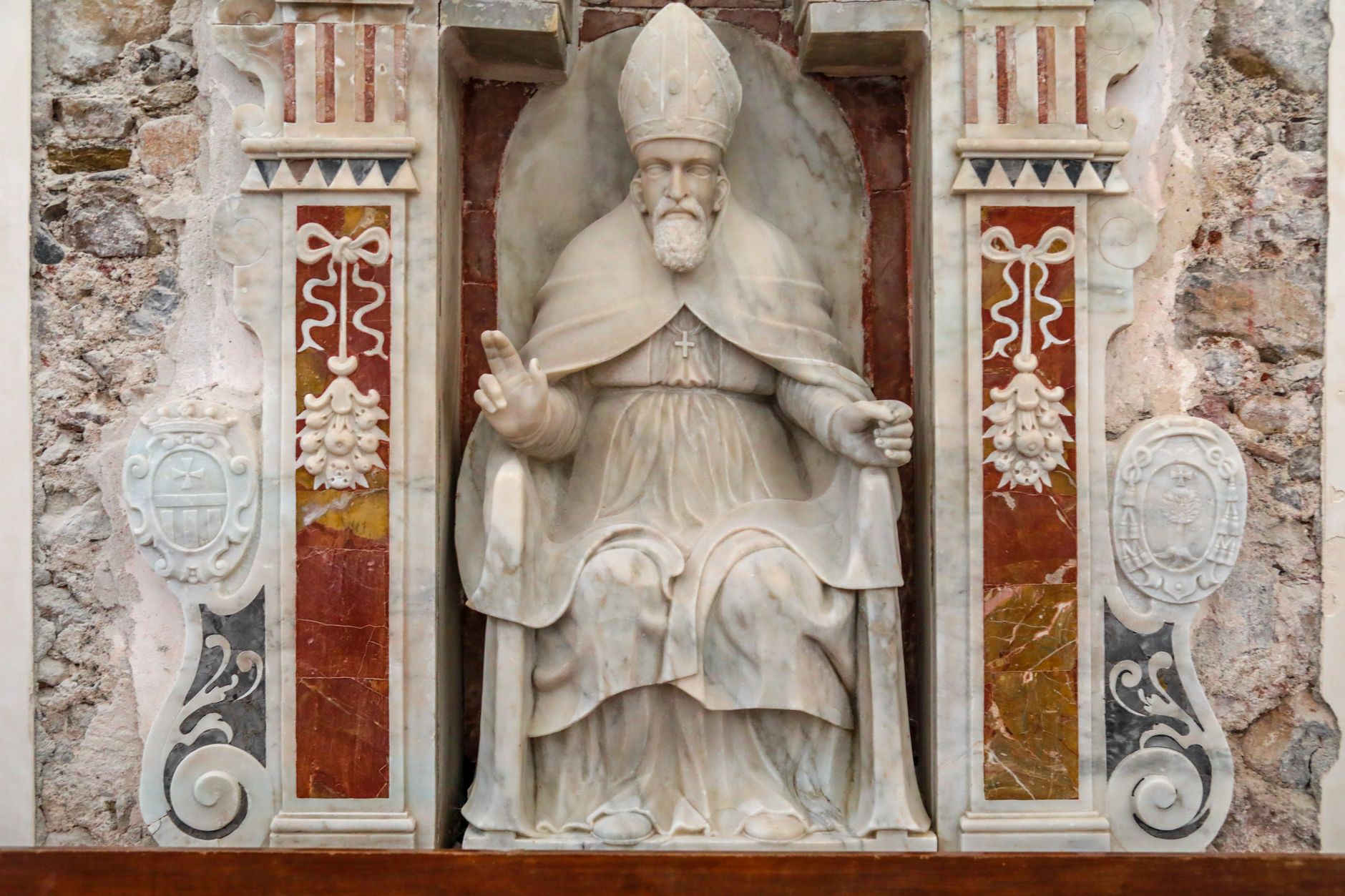
Photo by Franck Ferrante on Pexels
The Medieval Pope Who Dug Up His Dead Predecessor and Put Him on Trial
On January 10, 897, Pope Stephen VI ordered the exhumation of Pope Formosus, who had died nearly nine months earlier, in Rome, Italy. This drastic measure was taken to put the deceased pope on trial, a move that would have far-reaching consequences for the Catholic Church. Pope Stephen VI's actions were a clear attempt to assert his authority and undermine the legacy of his predecessor.
What Everyone Knows
The standard story goes that Pope Stephen VI was a power-hungry and vengeful leader who sought to destroy the reputation of Pope Formosus. Most people think that Formosus was a well-respected and beloved pope, and that Stephen's actions were a blatant attempt to discredit him. However, this narrative oversimplifies the complex events that led to the trial of the dead pope. The reality is that the situation was more nuanced, involving a web of alliances, rivalries, and theological disputes that ultimately led to the dramatic trial.
What History Actually Shows
Historian Ferdinand Gregorovius, in his book "History of the City of Rome in the Middle Ages," notes that Pope Stephen VI was driven by a desire to invalidate the ordinations and appointments made by Pope Formosus, which he saw as illegitimate. On August 896, Formosus had crowned Arnulf of Carinthia as the Holy Roman Emperor, a move that was deeply resented by Stephen. According to the "Liber Pontificalis," a primary source document, Stephen accused Formosus of perjury and violation of church law. The trial of the dead pope was a deliberate attempt to retroactively invalidate Formosus' entire papacy, and it was a move that would have significant implications for the church's hierarchy and authority. On January 28, 897, the trial began, with the corpse of Formosus dressed in papal vestments and propped up on a throne to face the accusations. Historian Horace Mann, in his "Lives of the Popes in the Early Middle Ages," points out that the trial was a carefully staged spectacle, designed to demonstrate Stephen's power and authority. By examining the events leading up to the trial, it becomes clear that Stephen's actions were motivated by a complex mix of political and theological considerations, rather than simple vindictiveness. The trial itself was a dramatic and unprecedented event, with the dead pope being found guilty and his ordinations declared null and void, on February 897.
The Part That Got Buried
Historians at the Vatican deliberately omitted this incident from official records, ensuring it remained hidden from the public eye. The Catholic Church's leadership, particularly Cardinals who served under Pope Stephen VI, actively worked to suppress the story, recognizing the potential backlash it could generate. By controlling the narrative and limiting access to archival documents, they effectively concealed the details of the trial from scholars and the general public. The destruction of certain manuscripts and the intentional lack of documentation during the 10th century further contributed to the erasure of this event from historical memory. Specifically, the Vatican's decision to focus on the lives of "model" popes, such as Pope Leo III, led to the marginalization of more controversial figures like Pope Stephen VI.
The Ripple Effect
The trial of Pope Formosus had concrete consequences, including the destabilization of the Catholic Church's power structure. The event directly led to a period of intense factionalism, with various noble families vying for control of the papacy. This, in turn, affected the lives of clergy and ordinary citizens alike, as the internal power struggles often spilled over into the broader society. One specific modern institution that traces directly back to this event is the College of Cardinals, which was reformed in the 11th century as a response to the chaos and corruption that characterized the papacy during the time of Pope Stephen VI.
The Line That Says It All
Pope Stephen VI's decision to put his dead predecessor on trial ultimately led to his own downfall, as he was strangled in prison just a few months after the trial, marking the end of his tumultuous and short-lived papacy.
A Note on Sources
This article draws on historical records, documented accounts, and academic research related to the medieval papacy and the history of the Catholic Church during the 9th and 10th centuries.