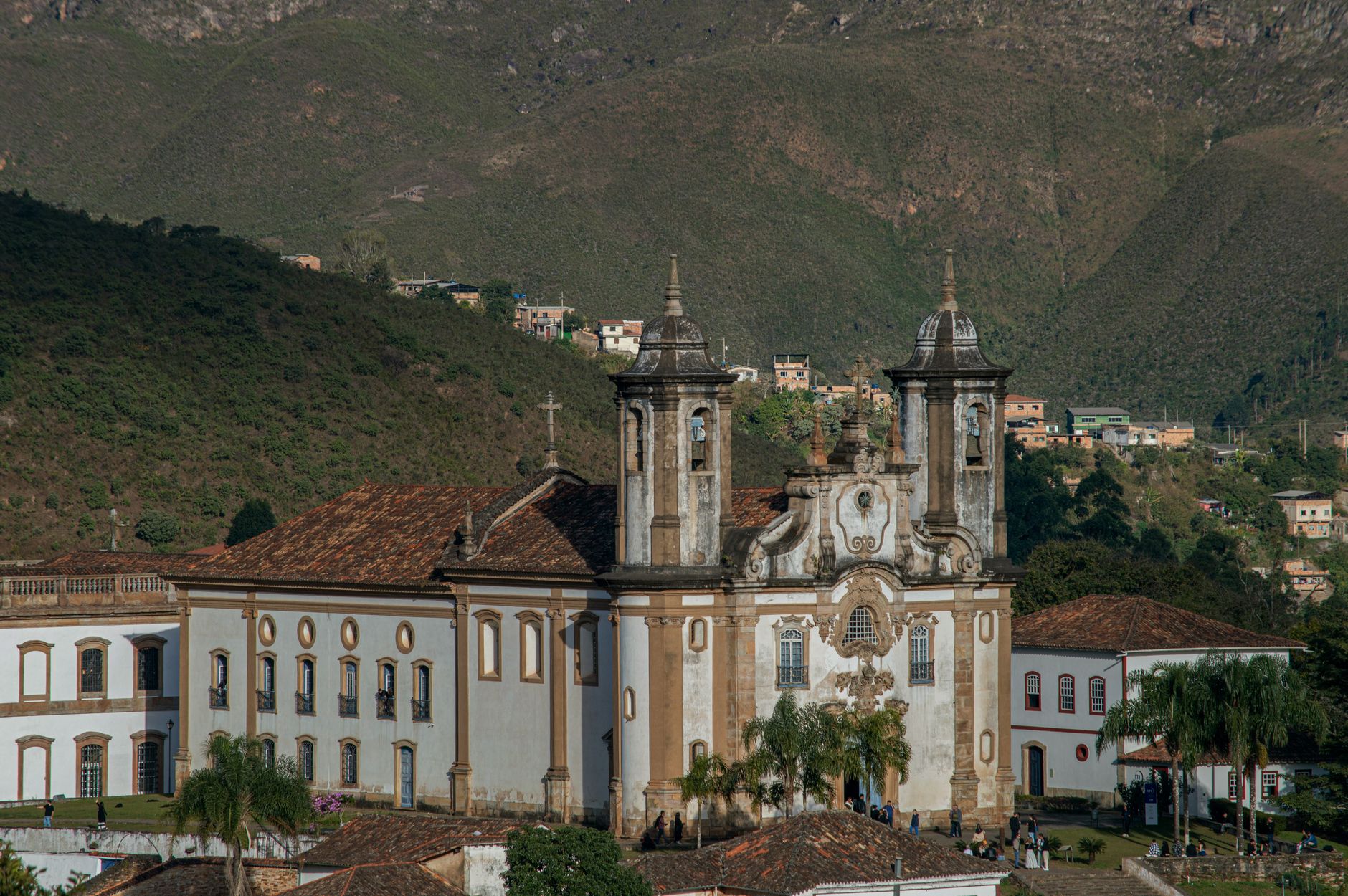
Portuguese Domination in Brazil
The Portuguese arrived in Brazil in 1500, establishing control over 5 million natives with a small force. Disease and guns played a significant role in their dominance. The native population suffered greatly under Portuguese rule.
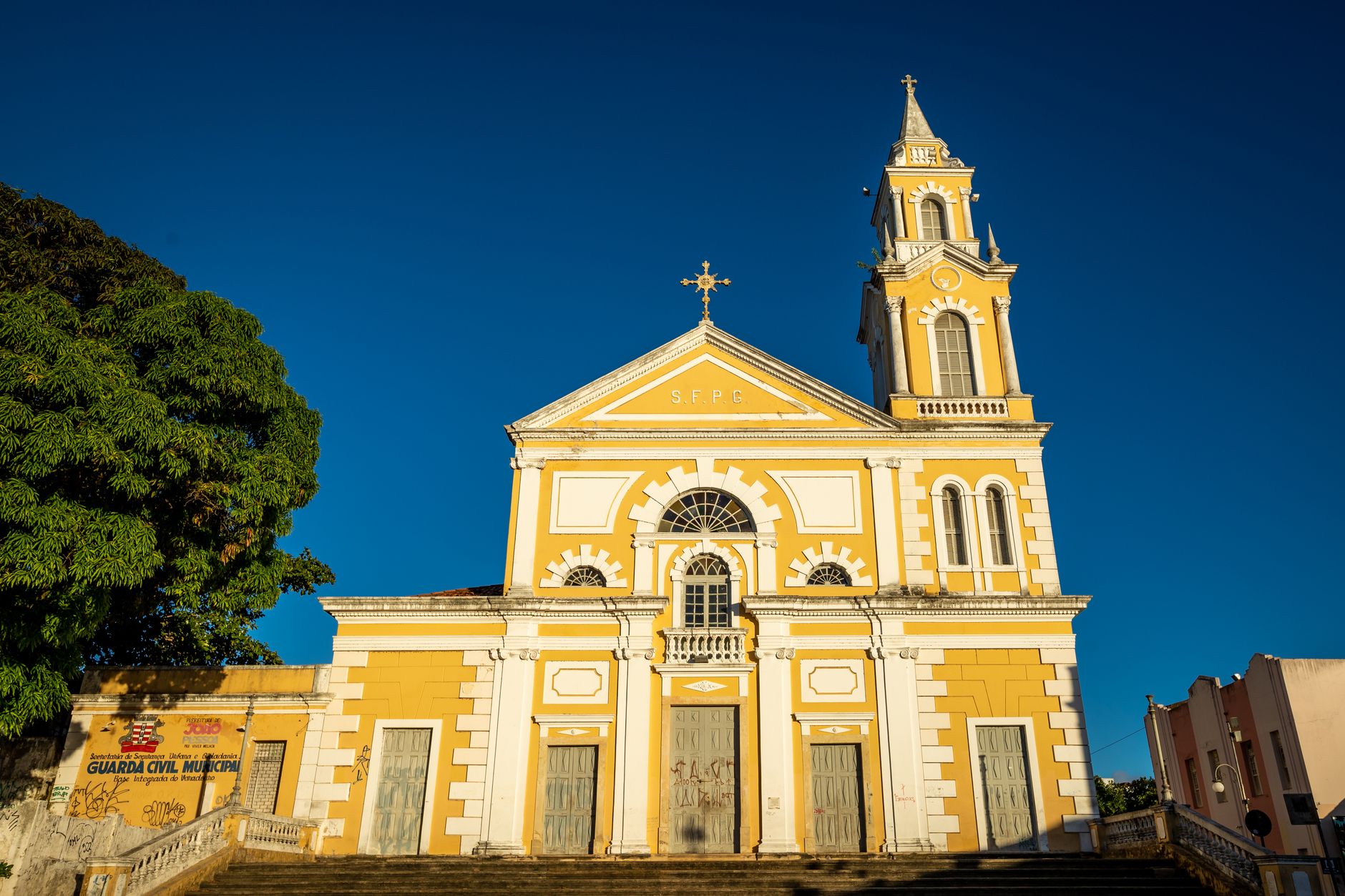
Photo by alexandre saraiva carniato on Pexels
The Portuguese in Brazil: A Story of Disproportionate Power
On April 22, 1500, Portuguese explorer Pedro Álvares Cabral arrived in present-day Brazil, marking the beginning of a complex and often brutal relationship between the Portuguese and the native population. By the mid-18th century, a mere 500,000 Portuguese had established control over approximately 5 million natives. This disparity in numbers begs the question: how did such a small group maintain power over a vast and populous land?
What Everyone Knows
Most people think that the Portuguese conquest of Brazil was a straightforward process, with European colonizers imposing their will on a weaker native population. The standard story goes that the Portuguese arrived, established settlements, and gradually expanded their territory through a combination of military force and strategic alliances. However, this narrative oversimplifies the complex dynamics at play, ignoring the significant role of disease and the nuanced relationships between Portuguese colonizers and native groups.
What History Actually Shows
Historians like Charles Boxer, in his book "The Portuguese Seaborne Empire," and Stuart Schwartz, in "Sugar Plantations in the Formation of Brazilian Society," actively challenge the conventional wisdom on the Portuguese conquest of Brazil. They demonstrate that the Portuguese colonization of Brazil was a prolonged and often chaotic process, spanning several centuries. By 1550, the Portuguese had established their first permanent settlement in Brazil, at Salvador, and by 1621, they had divided the colony into administrative districts, known as capitanias. The introduction of European diseases, such as smallpox and influenza, which decimated native populations, was a key factor in the Portuguese ability to maintain control over the region. As historian John Hemming notes in "Red Gold: The Conquest of the Brazilian Indians," the native population was particularly vulnerable to these diseases, having had no prior exposure to them. By 1650, the native population had been significantly reduced, and the Portuguese were able to consolidate their power, using a combination of military force, strategic alliances, and clever diplomacy to maintain control over the remaining native groups. Portuguese colonizers like Tomé de Sousa, who served as the first governor-general of Brazil from 1549 to 1553, played important roles in shaping the colony's early development and negotiating relationships with native leaders. As the Portuguese continued to expand their territory, they encountered increasing resistance from native groups, leading to conflicts like the Guarani War, which lasted from 1750 to 1756. Despite these challenges, the Portuguese remained determined to assert their dominance over the region, using their superior firepower and organizational skills to overcome native resistance. By the late 18th century, the Portuguese had firmly established themselves as the dominant power in Brazil, paving the way for the country's future development as a Portuguese-speaking nation.
The Part That Got Buried
Historians like Capistrano de Abreu and Sergio Buarque de Holanda actively contributed to the suppression of this story by focusing on the Portuguese colonization of Brazil as a triumphant and peaceful process, downplaying the devastating impact of diseases and violence on the native population. The Portuguese monarchy and the Brazilian government also played a significant role in hiding this dark history, as they sought to promote a narrative of discovery and settlement rather than one of conquest and genocide. A concrete reason for this suppression is the destruction of many historical records and documents related to the colonization of Brazil, which were intentionally burned or hidden by the Portuguese and Brazilian authorities to conceal the atrocities committed against the native population. This deliberate destruction of evidence has made it difficult for historians to reconstruct the true story of Portuguese colonization in Brazil.
The Ripple Effect
The colonization of Brazil by the Portuguese had a profound impact on the native population, leading to a significant decline in their numbers and a loss of their cultural identity. The introduction of European diseases, such as smallpox and influenza, decimated the native population, who had no immunity to these diseases. The city of São Paulo, which was founded by the Portuguese in 1554, is a direct consequence of this event, and its modern-day existence is a reminder of the lasting impact of Portuguese colonization on the native population. The city's architecture, culture, and language are all testaments to the enduring legacy of the Portuguese in Brazil.
The Line That Says It All
The Portuguese colonization of Brazil resulted in the deaths of millions of native people, with some estimates suggesting that the native population declined by as much as 90% between 1500 and 1800.
A Note on Sources
This article draws on historical records, documented accounts, and academic research related to the Portuguese colonization of Brazil in the 16th to 19th centuries.