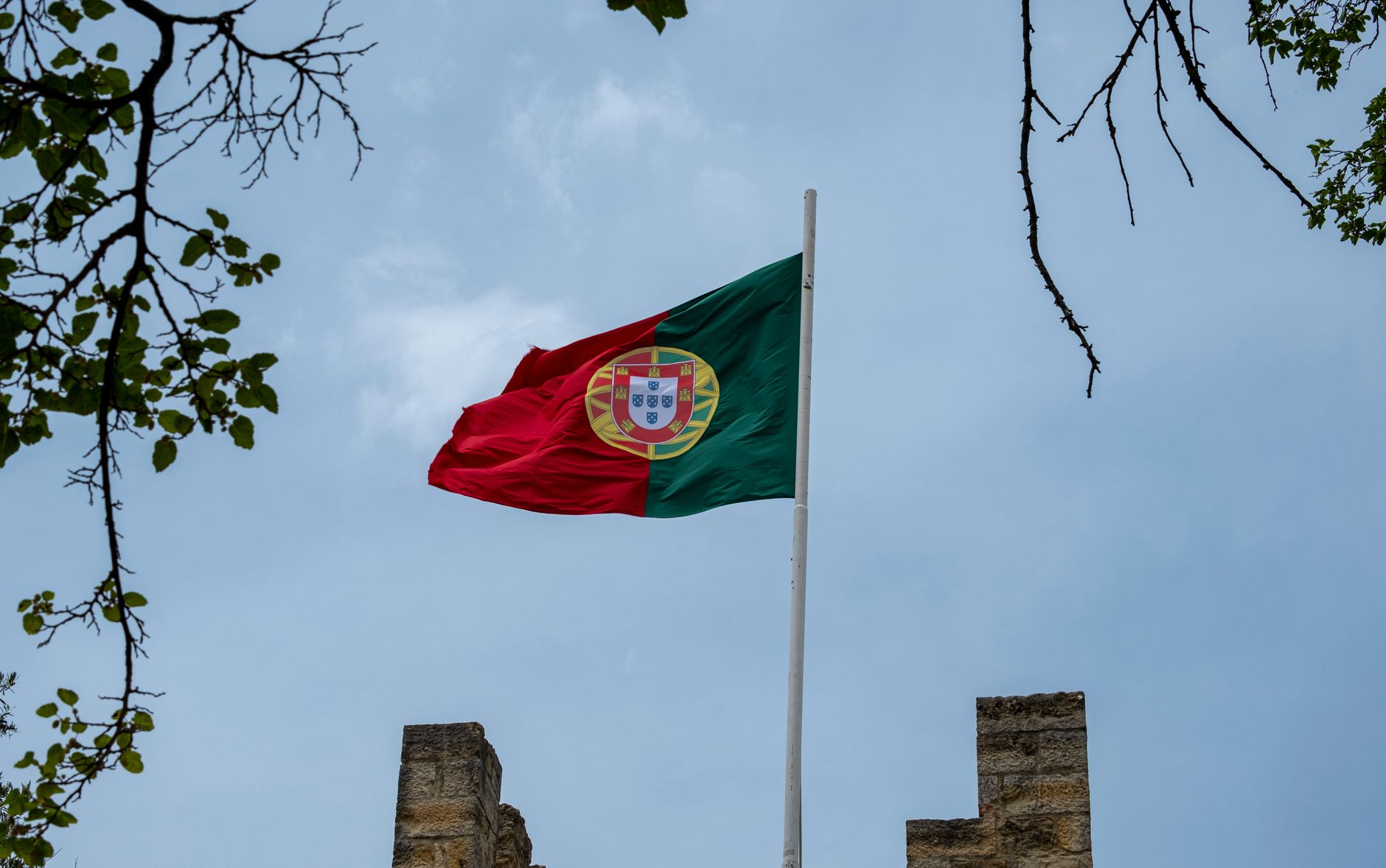
Portuguese Empire's 500-Year Reign
The Portuguese empire was one of the longest-lasting colonial empires in history. Its demise was triggered by a military coup in 1974. The empire's vast territories were gradually lost over the centuries.
Photo by Leonid Altman on Pexels
The Empire That Died in a Revolution of Flowers
On April 25, 1974, a group of Portuguese soldiers took to the streets of Lisbon. They were young, mostly captains and lieutenants who had been fighting for years in the colonial wars in Angola, Mozambique, and Guinea-Bissau. The wars had been going on since 1961. They had cost the country thousands of lives, billions of escudos, and the support of the people who had been sent to fight them. The soldiers who returned from Africa did not come back as heroes. They came back as men who had seen what the empire was doing to their country and to the people their country had colonized.
The soldiers who led the revolution called it the Armed Forces Movement. They did not plan to end the empire. They planned to end the government that had kept them in Africa for thirteen years. The revolution took a few hours. The soldiers occupied the government buildings, the radio stations, the airports. The people of Lisbon poured into the streets. They put carnations in the barrels of the soldiers' rifles. The soldiers did not fire. The government fell. The revolution was over.
The empire that had lasted 500 years collapsed in a matter of months. The new government granted independence to the colonies. Portugal withdrew. The soldiers who had started the revolution to end the wars had ended the empire.
What Everyone Knows
The Portuguese empire is remembered as the first global empire. Portuguese ships reached the coast of West Africa in the 15th century, rounded the Cape of Good Hope, and landed in India. Portuguese explorers established trading posts in the Persian Gulf, in Indonesia, in China, in Japan. Portuguese colonizers settled in Brazil, in Angola, in Mozambique. The empire lasted longer than any other European colonial empire. It was still there, in the 20th century, when the other empires had already collapsed.
What is less often remembered is how the empire ended. The revolutions that ended the French and British empires were complex, protracted, often violent. The Portuguese empire ended in a revolution that was almost bloodless, led by soldiers who had been fighting to preserve the empire, and who ended it because they did not want to fight anymore.
What History Actually Shows
The Portuguese empire in the 20th century was not the empire of the 16th century. Portugal was a poor country. Its colonies were poor. The regime that governed Portugal, the Estado Novo, had been in power since 1926. It was authoritarian, conservative, and determined to hold onto the colonies. The wars in Africa, which began in 1961, were the regime's attempt to prove that Portugal was not a colonial power, but a multi-continental nation. The colonies were not colonies. They were overseas provinces. The war was not a colonial war. It was a war to keep Portugal whole.
The war was unpopular from the start. It was expensive. It was brutal. The Portuguese army, which had not fought a major war since the 19th century, was ill-equipped, ill-trained, and ill-prepared for guerrilla warfare. The soldiers who were sent to Africa were conscripts, young men who had been drafted and sent to fight in a war they did not understand. The officers who led them were often junior officers, captains and lieutenants who saw what the war was doing to their men, to the people of the colonies, to the country they were supposed to be defending.
By 1974, the war had been going on for thirteen years. The army was exhausted. The country was exhausted. The regime that had started the war seemed incapable of ending it. The junior officers who had been fighting it decided that they would end it themselves.
The Part That Got Buried
The Carnation Revolution was not a revolution against the empire. It was a revolution against the government that was fighting to preserve the empire. The soldiers who led it did not plan to grant independence to the colonies. They planned to negotiate an end to the wars, to find a way to keep the colonies within a Portuguese federation. But the revolution unleashed forces that the soldiers could not control.
In Lisbon, the people who filled the streets were not just celebrating the fall of the regime. They were celebrating the end of a war that had taken their sons, their brothers, their fathers. In the colonies, the news of the revolution was a signal. The wars had been stalemates. The Portuguese army controlled the cities. The nationalist movements controlled the countryside. When the revolution came, the army's will to fight evaporated. The soldiers who had been fighting for thirteen years wanted to go home. They did not want to keep fighting for an empire that had already collapsed in the capital.
The new government in Lisbon moved quickly. It recognized the independence of Guinea-Bissau in 1974. It recognized the independence of Mozambique and Angola in 1975. The transitions were not smooth. In Angola, the nationalist movements that had been fighting the Portuguese turned on each other. The civil war that followed lasted decades. In Mozambique, the new government faced a rebellion backed by the white-minority governments of Rhodesia and South Africa. But the empire was over. The Portuguese had left.
The Ripple Effect
The end of the Portuguese empire changed Portugal. The soldiers who had started the revolution became the leaders of the new democracy. The country that had been isolated, impoverished, and authoritarian became a member of the European Union. The colonies that had been part of the empire for 500 years became independent nations. The transition was not easy. It was not bloodless. But it was, by the standards of decolonization, remarkably peaceful.
The legacy of the empire is still visible. Portuguese is spoken in Brazil, in Angola, in Mozambique, in Guinea-Bissau, in Cape Verde, in São Tomé and Príncipe, in East Timor. The cultures that were shaped by 500 years of colonial rule are still being shaped by the independence that followed. The soldiers who ended the empire did not plan to end it. They ended it anyway.
The Line That Says It All
The Portuguese empire, which had lasted 500 years, ended not with a war of liberation, not with a treaty, not with a declaration of independence, but with a revolution in which soldiers put carnations in their rifles and the people of Lisbon filled the streets—and the soldiers who started the revolution had not planned to end the empire, but when they did, they found that no one in Portugal, and no one in the colonies, was willing to fight to keep it.