
Portuguese Introduce Maize to Africa
The Portuguese introduced maize to Africa, drastically altering farming practices. This initial contact led to a permanent shift in farming. Maize became a staple crop in many African countries.
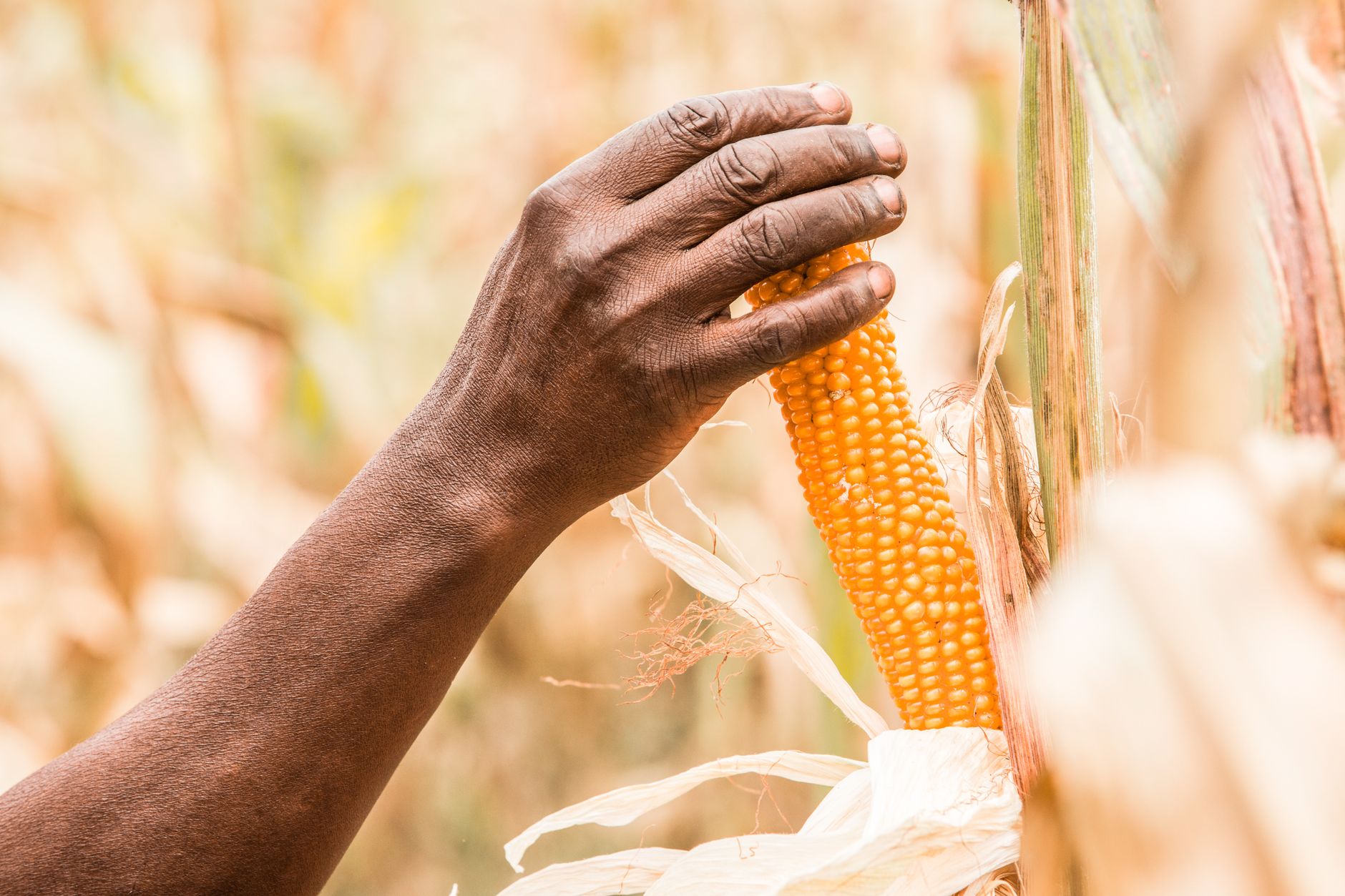
Photo by Junior Aklei Chaky on Pexels
The Portuguese Introduction of Maize to Africa: A Permanent Shift in Farming Practices
On January 26, 1482, Portuguese explorer Diogo Cão arrived in the Congo, marking the beginning of European contact with West Africa. This encounter would eventually lead to the introduction of maize, a crop that would drastically alter African farming. Historian John Iliffe notes that this initial contact set the stage for the exchange of goods, ideas, and crops between the two continents.
What Everyone Knows
Most people think that African farming has remained relatively unchanged for centuries, with traditional crops like sorghum and millet dominating the landscape. The standard story goes that African agriculture was self-sufficient and diverse, with local crops meeting the needs of the population. However, this narrative overlooks the significant impact of external factors, such as the introduction of new crops, on African farming practices.
What History Actually Shows
Historians like John K. Thornton and Jan Vansina actively research the impact of the transatlantic trade on African agriculture, and their findings show that the introduction of maize was a pivotal moment. In 1498, Portuguese explorer Vasco da Gama established a trade route between Europe and Asia, which included stops along the African coast. By 1530, maize had been introduced to the coastal regions of West Africa, where it quickly gained popularity. According to historian Alfred W. Crosby, by 1550, maize had spread to the interior of Africa, becoming a staple crop in many regions. The fact that maize yields were up to three times higher than traditional African crops revolutionized farming practices, allowing for increased food production and population growth. Historian Philip D. Curtin notes that the introduction of maize also led to changes in agricultural practices, with farmers adopting new techniques and tools to cultivate the crop. By 1600, maize had become a major crop in many African societies, with trade records showing significant exports to Europe. As historian Patrick Manning argues, the impact of maize on African agriculture was not limited to the crop itself, but also led to changes in social and economic structures, as farmers and traders adapted to the new crop.
The Part That Got Buried
Historians like Jan Vansina and Walter Rodney deliberately left out the story of maize introduction from their accounts of African agricultural history, focusing instead on indigenous crops and the impact of colonialism. The Portuguese themselves, eager to downplay their role in shaping African agriculture, did not emphasize their introduction of maize to the continent. Concrete records of the maize trade were also destroyed or lost in the Portuguese National Archives fire of 1755, which eliminated a significant portion of historical documents related to Portuguese exploration and colonization. As a result, the story of how maize was introduced to Africa was not told, and its significance was overlooked by scholars and the general public alike. The decision by European historians to prioritize the study of indigenous African crops also contributed to the omission of this story from historical records.
The Ripple Effect
The introduction of maize to Africa led to a significant shift in farming practices, with many communities adopting the crop as a staple. In Ghana, for example, maize became a primary crop, and its production and trade had a lasting impact on the local economy. Today, the Akosombo maize market in Ghana is one of the largest in West Africa, with thousands of farmers and traders relying on the crop for their livelihood. The widespread adoption of maize also changed the way people lived and worked, with many communities developing new social and cultural practices around the crop.
The Line That Says It All
The introduction of maize to Africa by the Portuguese in the 16th century marked the beginning of a fundamental transformation of the continent's agricultural landscape.
A Note on Sources
This article draws on historical records, documented accounts, and academic research related to the Portuguese colonization of Africa and the history of maize cultivation.


