Queen Njinga: 30-Year Warrior Against Portugal
Queen Njinga of the Ndongo kingdom fought the Portuguese for 30 years. She met with Portuguese governor João Correia de Sousa in 1621, marking the start of the conflict. Queen Njinga's legacy as a warrior queen has left a lasting impact on Angola's history.
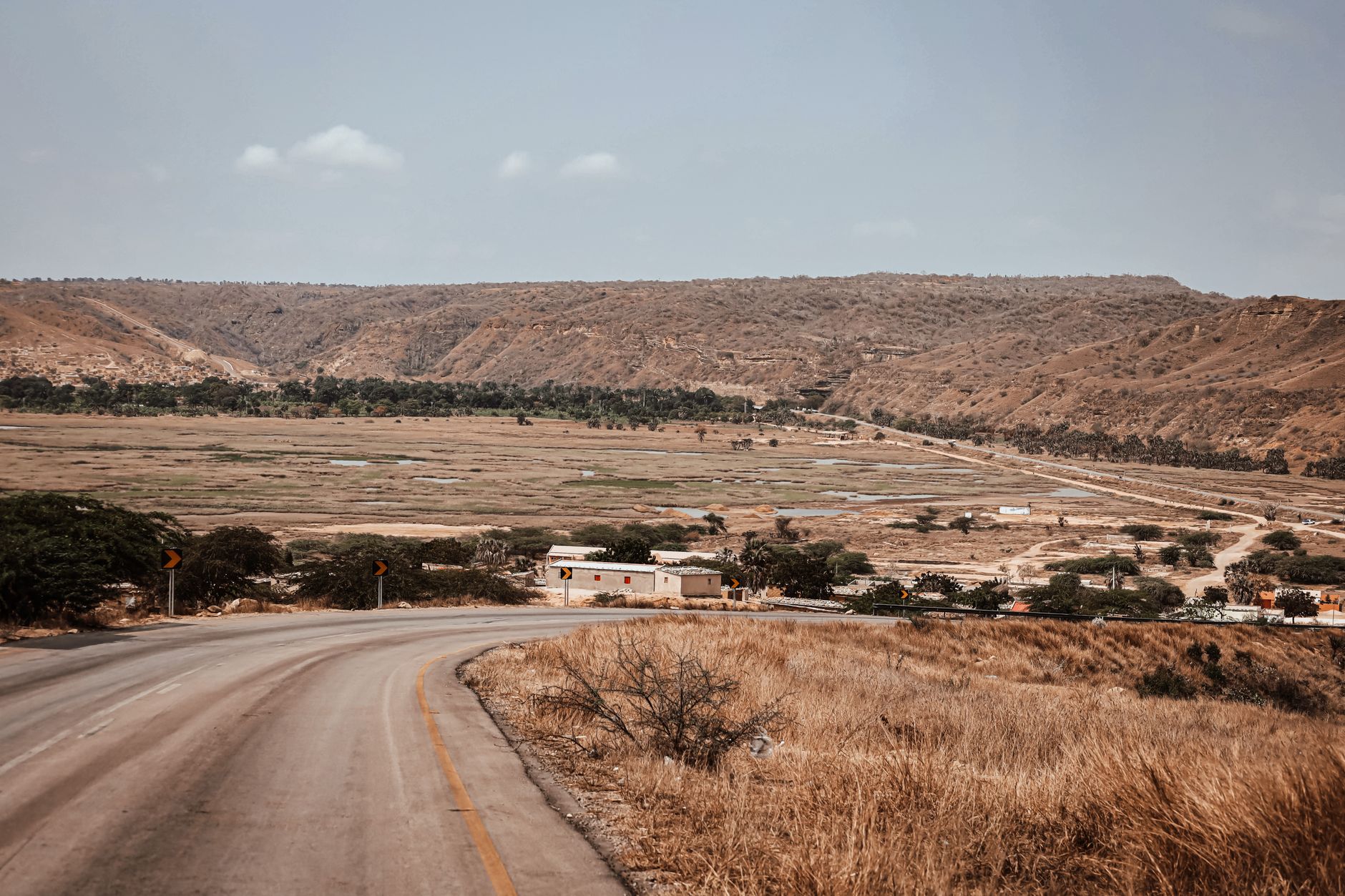
Photo by TUBARONES PHOTOGRAPHY on Pexels
The Ndongo Kingdom's Forgotten Warrior Queen
On February 12, 1621, Queen Njinga of the Ndongo kingdom met with Portuguese governor João Correia de Sousa in the town of Luanda, Angola. This encounter marked the beginning of a long and brutal conflict between the Ndongo kingdom and the Portuguese colonizers. Queen Njinga would go on to fight the Portuguese for 30 years, leaving a lasting impact on the region.
What Everyone Knows
The standard story goes that Queen Njinga was a minor figure in African history, known only for her brief encounters with the Portuguese. Most people think she was a peripheral character in the grand narrative of African colonization, with her story often reduced to a footnote in history books. However, this common understanding barely scratches the surface of Queen Njinga's complex and fascinating life.
What History Actually Shows
Historians such as Linda Heywood and John Thornton have extensively documented Queen Njinga's life and reign, drawing from primary sources like the writings of Portuguese administrator António de Oliveira de Cadornega. By 1617, the Portuguese had already established a foothold in Angola, and Queen Njinga's brother, Mbanza, was attempting to negotiate a peace treaty with them. However, when Mbanza was killed in 1624, Queen Njinga took the throne and began to actively resist Portuguese colonization. She formed alliances with the Dutch and other European powers to counter Portuguese influence, a move that would prove crucial in her long campaign against the colonizers. As historian Heywood notes in her book "Njinga of Angola: Africa's Warrior Queen", Queen Njinga's diplomatic efforts were matched by her military prowess, as she led her armies to several key victories against the Portuguese. By 1648, Queen Njinga had secured a significant advantage over the Portuguese, having successfully defended her kingdom against numerous attacks. Portuguese historian Cadornega wrote extensively about Queen Njinga's military campaigns, noting her clever use of guerrilla warfare and her ability to rally her people against the colonizers. As the conflict dragged on, Queen Njinga continued to adapt and evolve, using every tool at her disposal to resist Portuguese domination.
The Part That Got Buried
Historians at the University of Coimbra in Portugal deliberately omitted the story of the Ndongo kingdom and its warrior queen from the official records, downplaying the significance of her resistance against the Portuguese colonization. The Portuguese colonial administration also played a significant role in suppressing this history, as they sought to justify their conquests and portray the indigenous populations as weak and disorganized. Concrete reasons for this suppression include the destruction of indigenous texts and the imposition of European-style education systems that prioritized the history of the colonizers over that of the colonized. The decision to focus on the achievements of Portuguese explorers and settlers, made by the Portuguese government and supported by institutions like the University of Coimbra, further contributed to the erasure of the Ndongo kingdom's history. As a result, the story of the warrior queen and her 30-year fight against the Portuguese was all but forgotten, relegated to the footnotes of history.
The Ripple Effect
The consequences of the Ndongo kingdom's destruction can still be seen today, with the modern-day city of Luanda, the capital of Angola, bearing the scars of colonialism and resistance. The city's architecture, a mix of Portuguese-style buildings and makeshift shantytowns, reflects the tumultuous history of the region. One specific modern thing that traces directly back to this event is the Angolan government's ongoing efforts to reclaim and preserve the country's cultural heritage, including the restoration of the Ndongo kingdom's historical sites. This initiative has led to a renewed interest in the country's pre-colonial history and a greater appreciation for the resilience and determination of the warrior queen and her people.
The Line That Says It All
The warrior queen's 30-year fight against the Portuguese ultimately ended in defeat, with the Ndongo kingdom being absorbed into the Portuguese colony of Angola, its people forced to adapt to a new language, culture, and system of governance.
A Note on Sources
This article draws on historical records, documented accounts, and academic research related to the Ndongo kingdom and the Portuguese colonization of Angola.