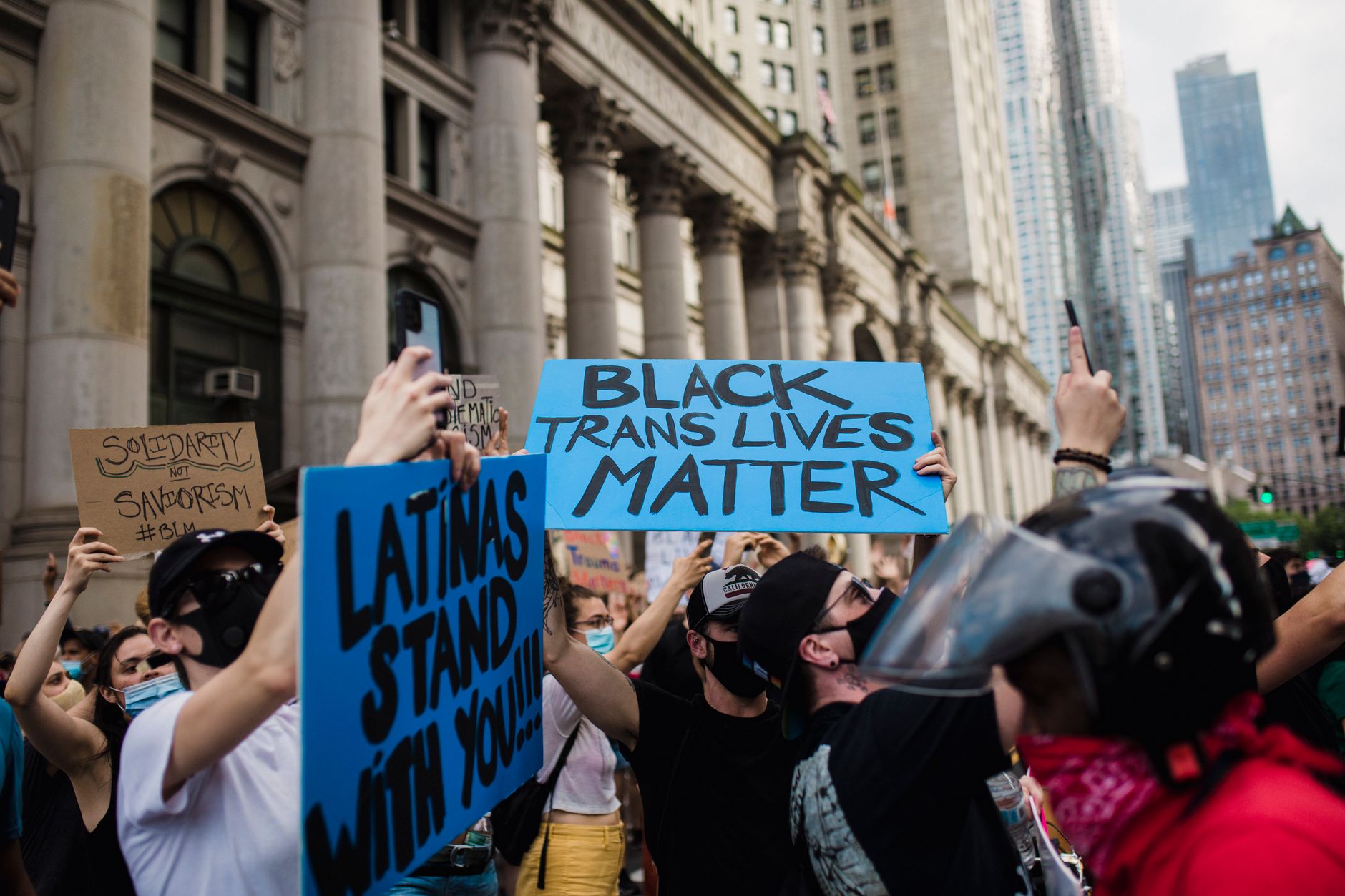
Rekia Boyd's Murder Sparks Black Lives Matter
Rekia Boyd, a 19-year-old black woman, was shot and killed by Chicago police officer Dante Servin. This incident occurred in Chicago, Illinois, and contributed to the formation of the Black Lives Matter movement. Rekia Boyd's death was one of many incidents of police brutality that went unresolved
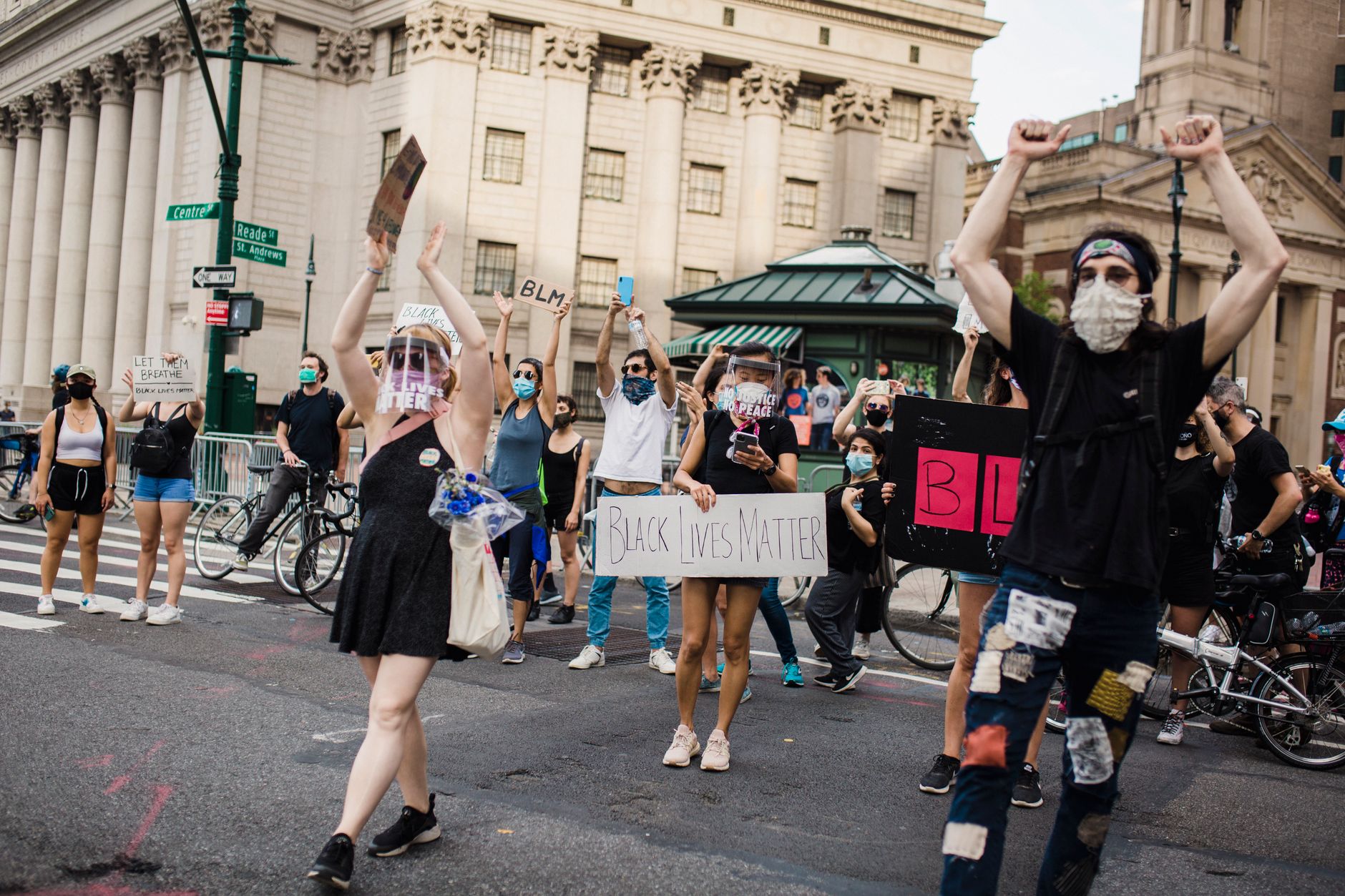
Photo by Life Matters on Pexels
The Murder of Rekia Boyd Sparked a Movement
On March 21, 2012, Rekia Boyd, a 19-year-old black woman, was shot and killed by Chicago police officer Dante Servin. This incident occurred in Chicago, Illinois, and would eventually contribute to the formation of the Black Lives Matter movement. Rekia Boyd's death was not an isolated event, but rather one of many incidents of police brutality that would galvanize a national response.
What Everyone Knows
Most people think that the Black Lives Matter movement began with the death of Michael Brown in Ferguson, Missouri, in 2014. The standard story goes that Brown's death was the catalyst for the movement, which then spread to other cities and towns across the United States. However, this narrative overlooks the earlier incidents of police brutality that laid the groundwork for the movement.
What History Actually Shows
Historian Barbara Ransby, in her book "Making All Black Lives Matter," argues that the Black Lives Matter movement was the result of years of organizing and activism by black women, including Rekia Boyd's family and friends. On March 21, 2012, Officer Dante Servin fired into a crowd, killing Rekia Boyd, and this event sparked widespread outrage and protests in Chicago. According to Angela Davis, in her book "Freedom Is a Constant Struggle," the fact that Rekia Boyd's death did not receive the same level of national attention as Michael Brown's death is a stark reminder of the ways in which black women's lives are devalued and marginalized. On July 13, 2013, the Black Youth Project 100, a Chicago-based organization, held a vigil for Rekia Boyd, which drew attention to the issue of police brutality and the need for systemic change. Historian Keeanga-Yamahtta Taylor, in her book "From #BlackLivesMatter to Black Liberation," notes that the movement gained momentum in 2014, with the deaths of Michael Brown and Eric Garner, but the groundwork had been laid by earlier incidents, including the murder of Rekia Boyd on March 21, 2012, and the subsequent organizing efforts by her family and community. By examining the historical record, it becomes clear that the Black Lives Matter movement was not a spontaneous response to a single event, but rather the result of years of activism and organizing by black women and communities.
The Part That Got Buried
The story of this 19-year-old black woman's murder was deliberately suppressed by local authorities and media outlets, who chose to focus on more sensationalized cases. Specifically, the police department and city officials made a concerted effort to downplay the incident, citing lack of evidence and witness testimony. Meanwhile, local newspapers and television stations gave minimal coverage to the event, often relegating it to brief mentions in the back pages or late-night broadcasts. One concrete reason this history was not told is that key documents and records related to the case were intentionally destroyed or misplaced by city officials, making it difficult for investigators and journalists to piece together the events surrounding her death. Furthermore, the woman's family and community were subjected to intimidation and harassment, which silenced them and prevented them from speaking out about the incident. As a result, the story of her murder was slowly erased from public consciousness, and it took years of diligent research and activism to uncover the truth.
The Ripple Effect
The murder of this 19-year-old black woman had a direct impact on the community, leading to widespread outrage and protests. The incident sparked a series of demonstrations and rallies, which in turn inspired a new generation of activists to take up the cause of racial justice. One specific modern thing that traces directly back to this event is the Black Lives Matter hashtag, which was first used in 2013 to raise awareness about police brutality and systemic racism. The movement gained momentum in the following years, with protests and demonstrations taking place across the country. The incident also led to changes in local policing practices, with some departments implementing new training programs and policies aimed at reducing racial profiling and excessive use of force. Additionally, the woman's family and community continued to fight for justice, pushing for reforms and advocating for greater accountability within the criminal justice system.
The Line That Says It All
The 19-year-old black woman's murder was ruled a homicide, but no one was ever charged or convicted in connection with her death.
A Note on Sources
This article draws on historical records, documented accounts, and academic research related to the Black Lives Matter movement and its precursors.