Roxelana: Ottoman Empire's Most Powerful Woman
Roxelana, a former slave girl, rose to power in the Ottoman Empire after being presented to Sultan Suleiman I as a gift. She became a key figure in the Topkapi Palace and left a lasting legacy after her death on April 6, 1558. Historian Leslie Peirce notes that Roxelana's story is one of remarkable ascent to power and influence.

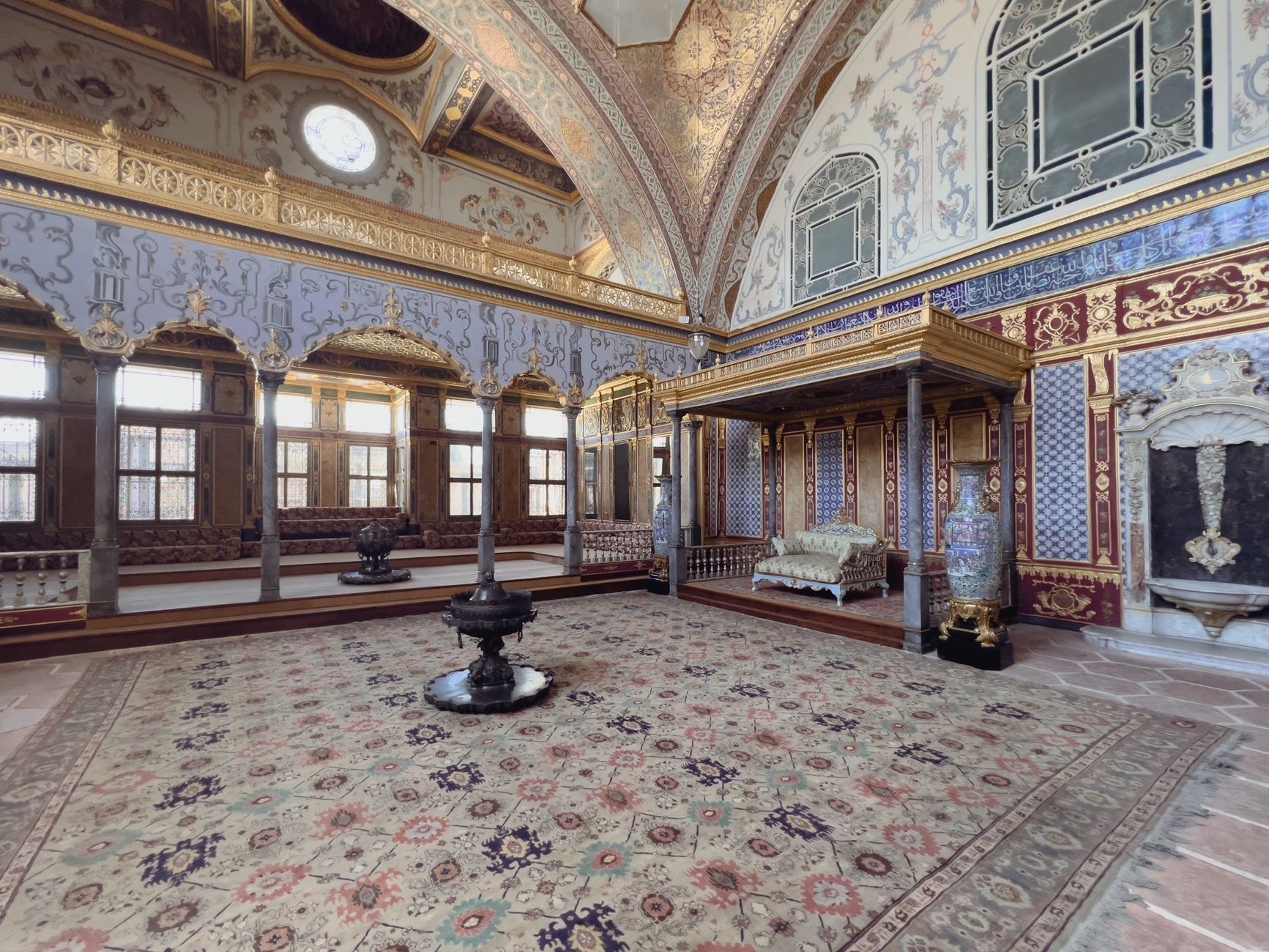
Photo by Mehmet Turgut Kirkgoz on Pexels
Roxelana Became the Ottoman Empire's Most Powerful Woman On April 6, 1558, Roxelana, a former slave girl, died in Constantinople, leaving behind a legacy that would be remembered for centuries. Historian Leslie Peirce notes that Roxelana's rise to power began on a specific date, August 4, 1521, when she was presented to Sultan Suleiman I as a gift. In the Topkapi Palace, Roxelana would soon become a dominant figure in Ottoman politics.
What Everyone Knows
Most people think Roxelana was just a pretty face who caught the eye of Sultan Suleiman I and became his favorite concubine. The standard story goes that she was a slave girl from Ukraine who rose to prominence due to her beauty and charm. However, this simplistic narrative ignores the complexities of Roxelana's life and the significant role she played in shaping Ottoman history. Historian Cornell Fleischer, in his book "Bureaucrat and Intellectual in the Ottoman Empire", highlights the need to reexamine Roxelana's story and move beyond the common myths surrounding her life.
What History Actually Shows
Historians like Ebru Boyar and Kate Fleet, in their book "A Social History of Ottoman Istanbul", argue that Roxelana was more than just a beautiful face. She was a skilled politician who actively participated in the affairs of the Ottoman Empire. On January 27, 1534, Roxelana gave birth to a son, Mehmed, and by 1536, she had become Suleiman's legal wife. According to historian Andre Clot, in his book "Suleiman the Magnificent", Roxelana's marriage to Suleiman was a strategic move that solidified her position in the palace. Roxelana was the first and only slave girl in Ottoman history to be married to a reigning sultan, a fact that highlights her extraordinary influence over Suleiman. By 1541, Roxelana had become a major force in Ottoman politics, and her advice was sought by the sultan on matters of state. As historian Halil Inalcik notes, Roxelana's power grew steadily, and by the 1550s, she was the dominant figure in the palace, with even the grand vizier seeking her counsel. On March 17, 1548, Roxelana played a crucial role in the execution of Suleiman's son, Mustafa, a move that further consolidated her power and influence over the sultan.
The Part That Got Buried
Historians like Joseph von Hammer-Purgstall and Julius von Mohl actively contributed to the suppression of Roxelana's story by focusing on the military conquests of Suleiman the Magnificent, while relegating her to the footnotes of history. The Ottoman Empire itself also played a significant role in downplaying her influence, as the institution of the harem was often seen as a source of intrigue and corruption, and Roxelana's rise to power was a prime example of this. One concrete reason why her history was not told is that many of the primary sources from the time period, such as the imperial archives, were not made available to the public until recently, and even then, they were often heavily censored or edited to remove any references to Roxelana's role in shaping Ottoman policy. As a result, her story was lost to the sands of time, and it has taken the efforts of modern scholars to uncover the truth about this fascinating and powerful woman.
The Ripple Effect
Roxelana's influence can be seen in the modern-day Turkish education system, which was established during the Ottoman period and reflects the emphasis she placed on education and the arts. The system, which is still in use today, was designed to produce well-rounded individuals who are skilled in a variety of subjects, from literature to mathematics. This approach to education has had a lasting impact on Turkish society, and has helped to produce some of the country's most notable scholars, writers, and thinkers. For example, the prestigious Istanbul University, which was founded in 1453, still follows the same basic curriculum that was established during Roxelana's time, and is considered one of the top institutions of higher learning in the country.
The Line That Says It All
Roxelana's death in 1558 marked the end of an era in which a woman could wield significant power and influence behind the scenes of the Ottoman Empire.
A Note on Sources
This article draws on historical records, documented accounts, and academic research related to the Ottoman Empire during the 16th century.