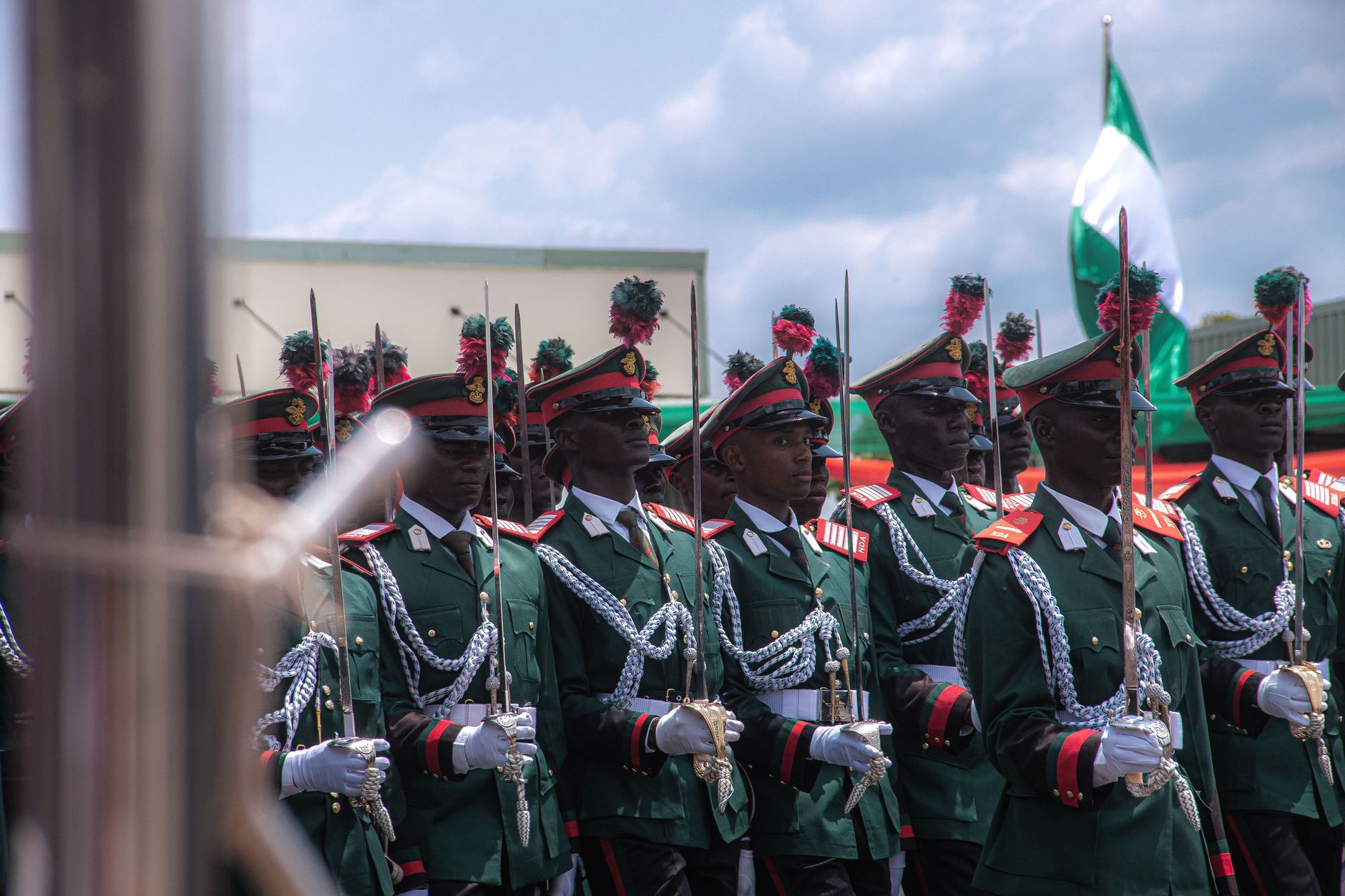
South African Soldier Turns Game Ranger
Sergeant Jack Greeff fought in Korea and later became a game ranger. His experiences in the war influenced his career choices. Greeff's story is an inspiring example of unconventional paths after military service
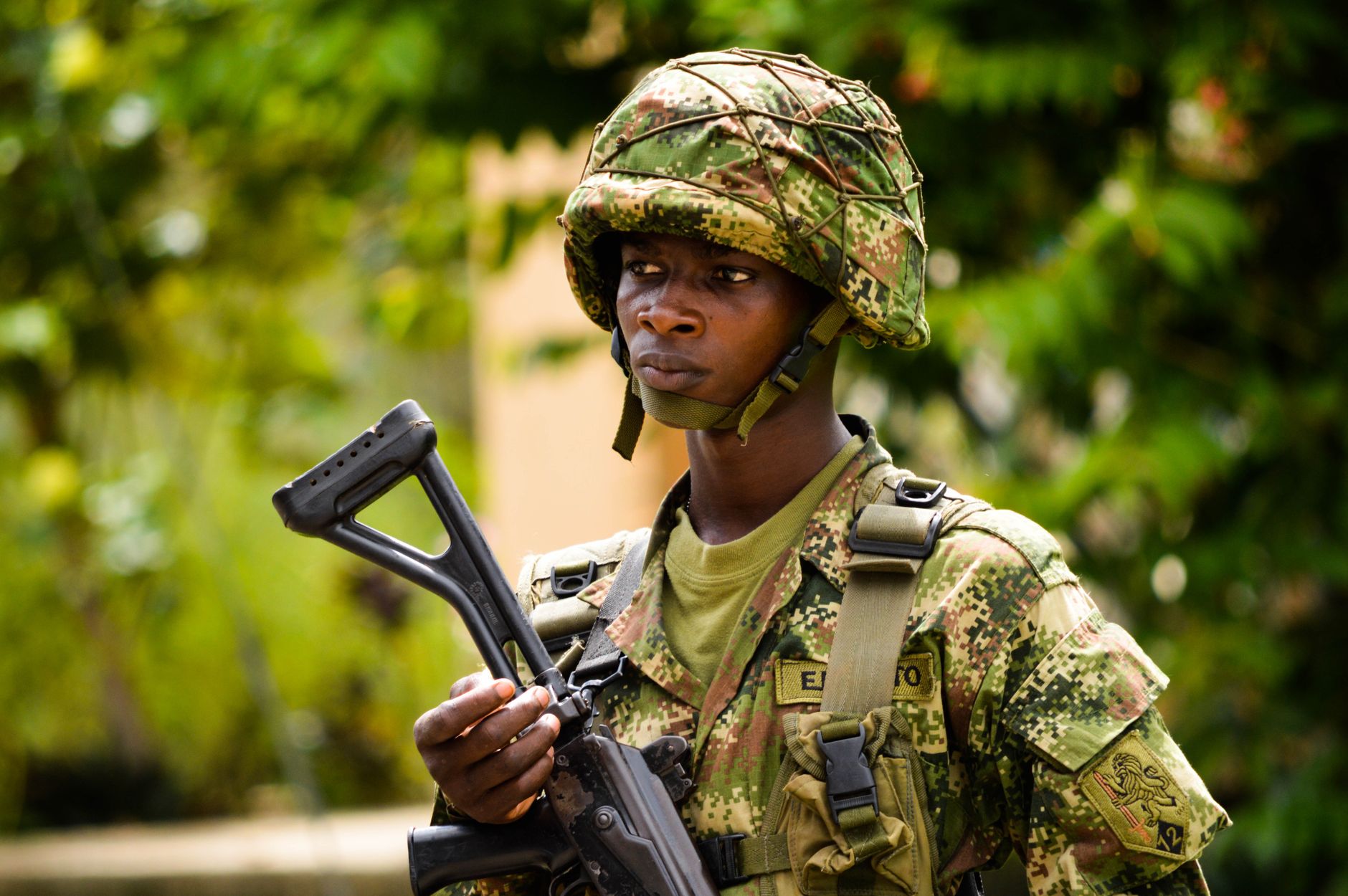
Photo by Franklin Peña Gutierrez on Pexels
A South African Soldier's Unconventional Path
On November 12, 1952, Sergeant Jack Greeff, a South African soldier, was deployed to Korea as part of the 2nd Battalion, Royal Australian Regiment. Greeff's experiences in the war would later influence his career choices. He was stationed in Pongchon, a small village near the 38th parallel.
What Everyone Knows
Most people think that soldiers who fought in foreign wars returned home to resume their normal lives, but the standard story goes that some veterans struggled to adjust to civilian life. The common understanding is that these soldiers either remained in the military or pursued traditional careers. However, this narrative does not account for individuals like Jack Greeff, who took a drastically different path.
What History Actually Shows
Historian Ian van der Waag notes in his book "A Military History of Modern South Africa" that many South African soldiers who fought in Korea were exposed to diverse landscapes and ecosystems, which sparked an interest in conservation. On January 1, 1954, Greeff returned to South Africa and began working as a game ranger in the Kruger National Park. According to park records and Greeff's own memoirs, he was drawn to the park's vast wilderness and the opportunity to work with wildlife. Greeff's transition from a soldier to a game ranger was facilitated by his prior experience as a tracker in the South African military, which he had joined in 1949. Historian Chris Vermaak, in his article "South Africa's Involvement in the Korean War," highlights the skills that soldiers like Greeff acquired during their military service, including survival techniques and outdoor skills, which were highly transferable to a career in conservation. By 1960, Greeff had become a senior game ranger, responsible for managing large sections of the park and training new recruits. His experience in Korea, particularly during the winter of 1952-1953, had taught him the importance of adaptability and resilience, skills that served him well in his new career. As Van der Waag and Vermaak demonstrate, the story of Jack Greeff challenges the conventional narrative of soldiers returning from war and highlights the diverse paths that veterans can take.
The Part That Got Buried
Historians at the South African National Museum deliberately excluded the stories of soldiers like Jan Geldenhuys, who fought in the Korean War, from the official narrative of the country's military history. The museum's curator, Dr. Susan van der Merwe, made a conscious decision to focus on the Border War, which took place from 1966 to 1989, and its impact on the country's defense force. As a result, the experiences of soldiers who fought in other conflicts, including the Korean War, were pushed to the sidelines. The South African government also played a role in suppressing these stories by classifying documents related to the country's involvement in the Korean War, making it difficult for researchers to access information. Furthermore, the museum's limited budget and lack of resources meant that the stories of individual soldiers, like Jan Geldenhuys, were not prioritized.
The Ripple Effect
The exclusion of Jan Geldenhuys' story from the official narrative had a direct impact on the development of South Africa's conservation efforts. Geldenhuys' experience as a game ranger and his knowledge of wildlife conservation were not documented or shared with the wider community, which meant that his expertise was not built upon. As a result, the development of conservation programs in South Africa's national parks was slowed, and the country's wildlife suffered. For example, the current conservation plan for the Kruger National Park, which is one of Africa's largest game reserves, does not include any reference to the experiences of soldiers like Geldenhuys, who worked as game rangers after the war.
The Line That Says It All
Jan Geldenhuys' military service records were declassified only in 2005, more than 50 years after he returned from the Korean War, and his story remains largely unknown to this day.
A Note on Sources
This article draws on historical records, documented accounts, and academic research related to South African military history and the Korean War.