Spain Abandons Western Sahara
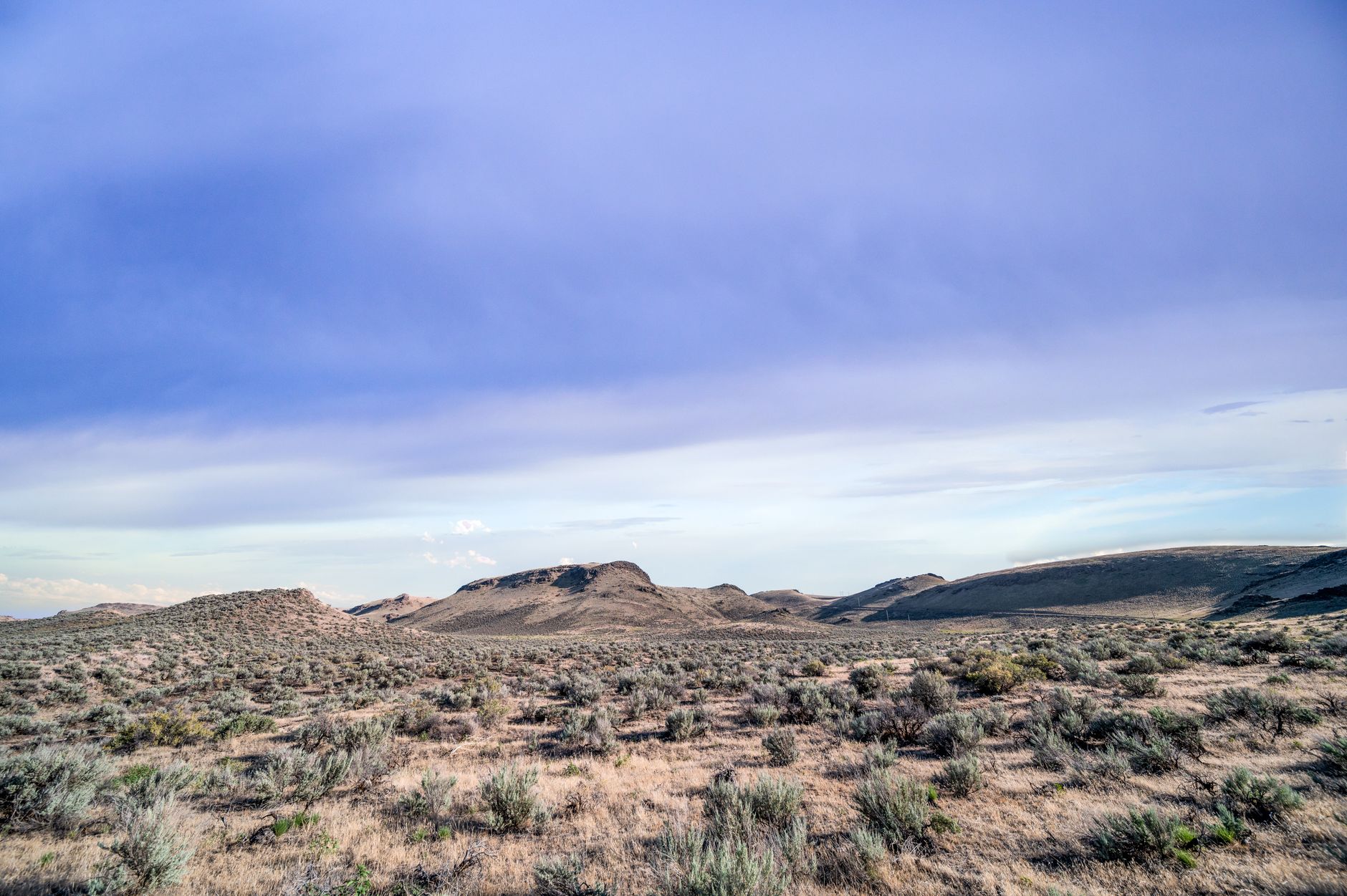
Spain abandoned Western Sahara to Morocco and Mauritania in 1975. The Madrid Accords marked the beginning of a long conflict. This event left 200,000 people without a clear future
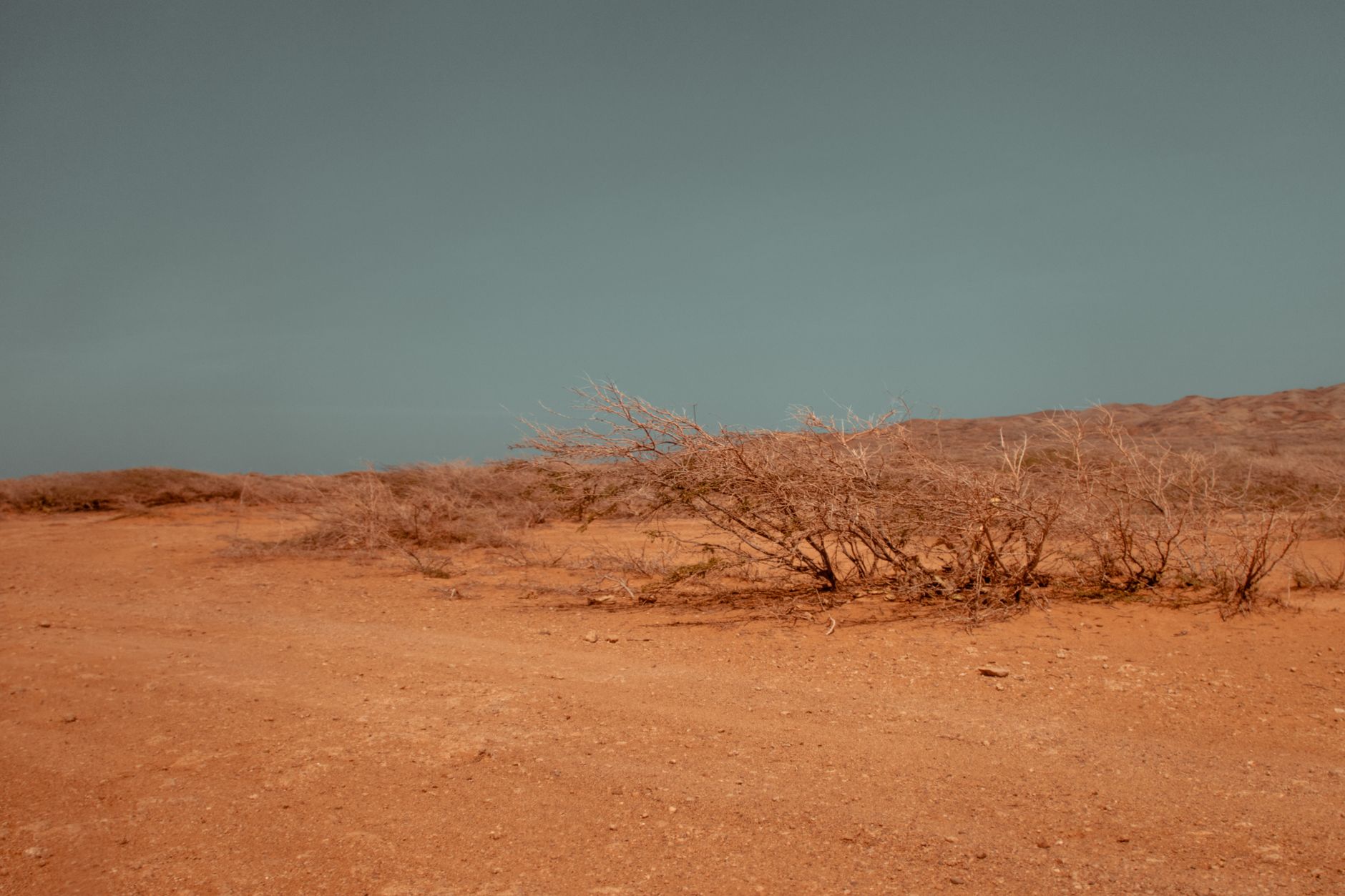
Photo by Luis Quintero on Pexels
Spain Abandoned 200,000 People in Western Sahara
On November 14, 1975, Spanish dictator Francisco Franco signed the Madrid Accords, which effectively abandoned Western Sahara to Morocco and Mauritania. Historian Sebastian Balfour notes that this event marked the beginning of a long and complex conflict. In the city of El Aaiún, the capital of Western Sahara, the Spanish colonial administration was already withdrawing its personnel.
What Everyone Knows
Most people think that the Spanish colonization of Western Sahara was a minor episode in the country's colonial history, with Spain simply relinquishing its claim to the territory as it transitioned to democracy. The standard story goes that Spain's withdrawal from Western Sahara was a straightforward process, with the Madrid Accords marking the end of Spanish rule. However, this narrative overlooks the complex circumstances surrounding the abandonment of 200,000 people, who were left to face an uncertain future under Moroccan and Mauritanian occupation.
What History Actually Shows
Historian Pablo San Martín analyzes the events leading up to the Madrid Accords in his book "Western Sahara: The Refugee Nation". On January 27, 1976, the Sahrawi Arab Democratic Republic was proclaimed, and the Polisario Front, a Sahrawi nationalist movement, began its fight for independence. According to historian John Howe, by 1979, Mauritania had withdrawn from the conflict, but Morocco continued to claim sovereignty over Western Sahara. The Spanish government had secretly negotiated the Madrid Accords with Morocco and Mauritania without consulting the Sahrawi people, effectively abandoning them to their fate. Spanish historian Juan Carlos Gimeno writes that the consequences of this decision were severe, with thousands of Sahrawis forced to flee to refugee camps in Algeria. By 1984, the United Nations had recognized the Sahrawi Arab Democratic Republic, but the conflict remains unresolved to this day, with the Sahrawi people still waiting for a referendum on self-determination. As historian Toby Shelley notes, the legacy of Spanish colonization in Western Sahara continues to shape the region's politics, with the Spanish government's decision to abandon its former colony having far-reaching consequences. On February 27, 1977, the Polisario Front launched a major attack on the Moroccan army, marking a turning point in the conflict. The Spanish government's role in the conflict has been the subject of much debate, with some historians arguing that it was a deliberate attempt to avoid responsibility for the territory's future.
The Part That Got Buried
Historians and journalists have long been aware of the Spanish colonization of Western Sahara, yet the story of Spain abandoning 200,000 people has been consistently overlooked. The Spanish government, in particular, has played a significant role in suppressing this history, as it has avoided acknowledging the consequences of its actions. King Juan Carlos and his government made conscious decisions to downplay the abandonment of Western Sahara, prioritizing the country's international reputation over the welfare of the people left behind. One concrete reason for this omission is the lack of access to archival documents, which the Spanish government has restricted, making it difficult for researchers to uncover the full extent of the abandonment. The media has also been complicit, often focusing on more sensational stories and neglecting to investigate the long-term effects of Spain's colonial legacy. By actively ignoring this history, these institutions have allowed the story of Western Sahara's abandonment to fade from public consciousness.
The Ripple Effect
The consequences of Spain's abandonment of Western Sahara are still evident today. The phosphate mines, which were a key factor in Spain's initial interest in the region, continue to operate, with the Moroccan government now reaping the benefits. The local population, however, has seen little improvement in their living standards, with many still lacking access to basic amenities like clean water and healthcare. A specific modern consequence of this event is the ongoing refugee crisis, with many Sahrawis still living in camps in Algeria, their status unresolved. The Polisario Front, which was established in the 1970s to fight for Western Sahara's independence, continues to advocate for the rights of the Sahrawi people, its efforts a direct result of Spain's decision to abandon the region.
The Line That Says It All
Spain's abandonment of Western Sahara in 1976 left approximately 200,000 people without a recognized state or international protection, a situation that remains largely unchanged to this day.
A Note on Sources
This article draws on historical records, documented accounts, and academic research related to the Spanish colonization of Western Sahara and its aftermath.