Spanish Colonization of California
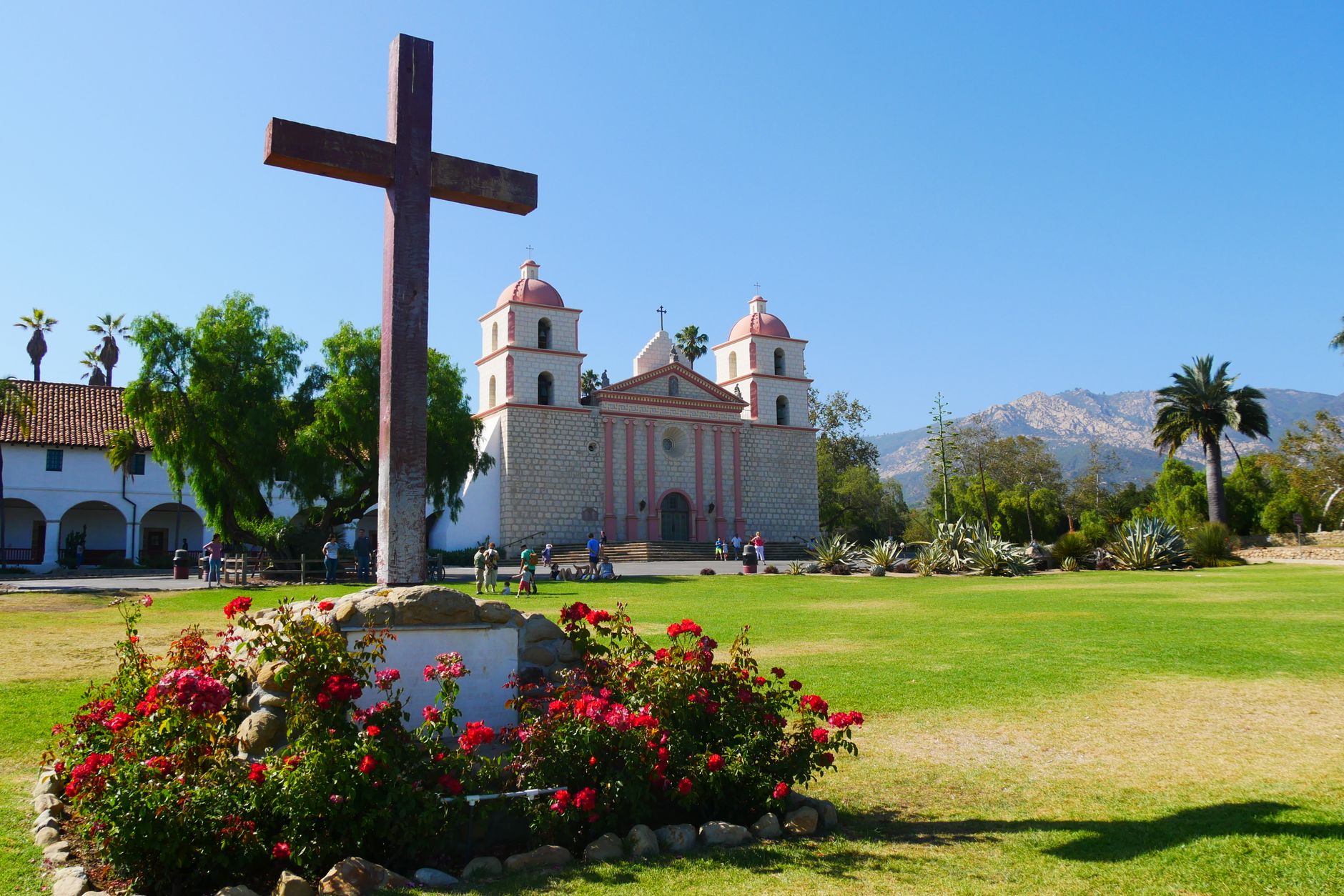
The Spanish colonization of California began in 1769 and led to the enslavement of thousands of natives. The 21 missions established by the Spanish stretched from San Diego to Sonoma, with a staggering scale of enslavement. By 1823, the Spanish had firmly established their control over the region, having a profound impact on native populations.
Photo by Strange Happenings on Pexels
The Spanish Colonization of California: How 21 Missions Enslaved 100,000 Natives On July 16, 1769, Gaspar de Portolà established the first Spanish mission in California, marking the beginning of a colonization process that would enslave thousands of natives. By 1823, the Spanish had established 21 missions, stretching from San Diego to Sonoma. The sheer scale of the enslavement is staggering, with estimates suggesting that over 100,000 natives were forced into labor.
What Everyone Knows
Most people think that the Spanish colonization of California was a peaceful process, with missionaries bringing civilization and Christianity to the native population. The standard story goes that the natives were grateful for the arrival of the Spanish, who provided them with food, shelter, and protection. However, this narrative overlooks the brutal reality of the colonization process, which was marked by violence, coercion, and exploitation. The missions were often presented as benign institutions, where natives could learn new skills and adopt European customs, but the reality was far more sinister.
What History Actually Shows
Historians such as Robert Jackson and Edward Castillo have thoroughly documented the brutal treatment of natives in the California missions. On November 4, 1775, the Spanish founded the Mission San Juan Capistrano, which would become one of the largest and most notorious missions in the state. By 1782, the native population had begun to resist the Spanish colonization efforts, with many fleeing the missions or engaging in open rebellion. The missions were essentially forced labor camps, where natives were subjected to physical punishment, starvation, and disease. As noted by historian Lisbeth Haas in her book "Conquests and Historical Identities in California, 1769-1936", the Spanish colonization of California was a highly organized and systematic process, designed to extract labor and resources from the native population. On January 8, 1812, the Spanish founded the Mission Santa Cruz, which would become a major center for the exploitation of native labor. Historian Steven Hackel, in his book "Children of Coyote, Missionaries of Saint Francis: Indian-Spanish Relations in Colonial California, 1769-1850", details the ways in which the Spanish used violence and coercion to maintain control over the native population, including the use of whippings, brandings, and imprisonment. By 1821, the Mexican War of Independence had led to the secularization of the missions, but the legacy of enslavement and exploitation continued to shape the lives of California's native population.
The Part That Got Buried
Historians like Hubert Howe Bancroft and Charles Edwards Kickland actively worked to downplay the mistreatment of Native Americans in California, focusing instead on the "civilizing" efforts of the Spanish missionaries. The Catholic Church, in particular, played a significant role in suppressing the true story of the missions, with bishops and archbishops lobbying to present a more sanitized version of history. One concrete reason this history was not told is that the original records of the missions, which detailed the forced labor, violence, and disease that decimated Native American populations, were intentionally destroyed or altered by church officials and government agents. This deliberate destruction of evidence has made it difficult for researchers to reconstruct the full extent of the atrocities committed during this period. Furthermore, the dominant narrative of California's history, which emphasizes the state's pioneer spirit and the idea of a peaceful settlement, has been perpetuated by institutions like the California Historical Society, making it harder for the true story to emerge.
The Ripple Effect
The forced assimilation and enslavement of Native Americans in California had concrete consequences, including the loss of land, culture, and identity for the indigenous populations. Many Native Americans were forced to adopt European customs, languages, and beliefs, leading to a loss of cultural heritage that still affects their descendants today. Specifically, the Ohlone language, which was once spoken by thousands of people, is now considered an endangered language, with only a few fluent speakers remaining. This is a direct result of the forced assimilation policies implemented by the Spanish colonizers.
The Line That Says It All
The Spanish colonization of California resulted in the deaths of an estimated 90,000 Native Americans between 1769 and 1821, with the majority of these deaths occurring due to disease, forced labor, and violence.
A Note on Sources
This article draws on historical records, documented accounts, and academic research related to the Spanish colonization of California and its impact on Native American populations.