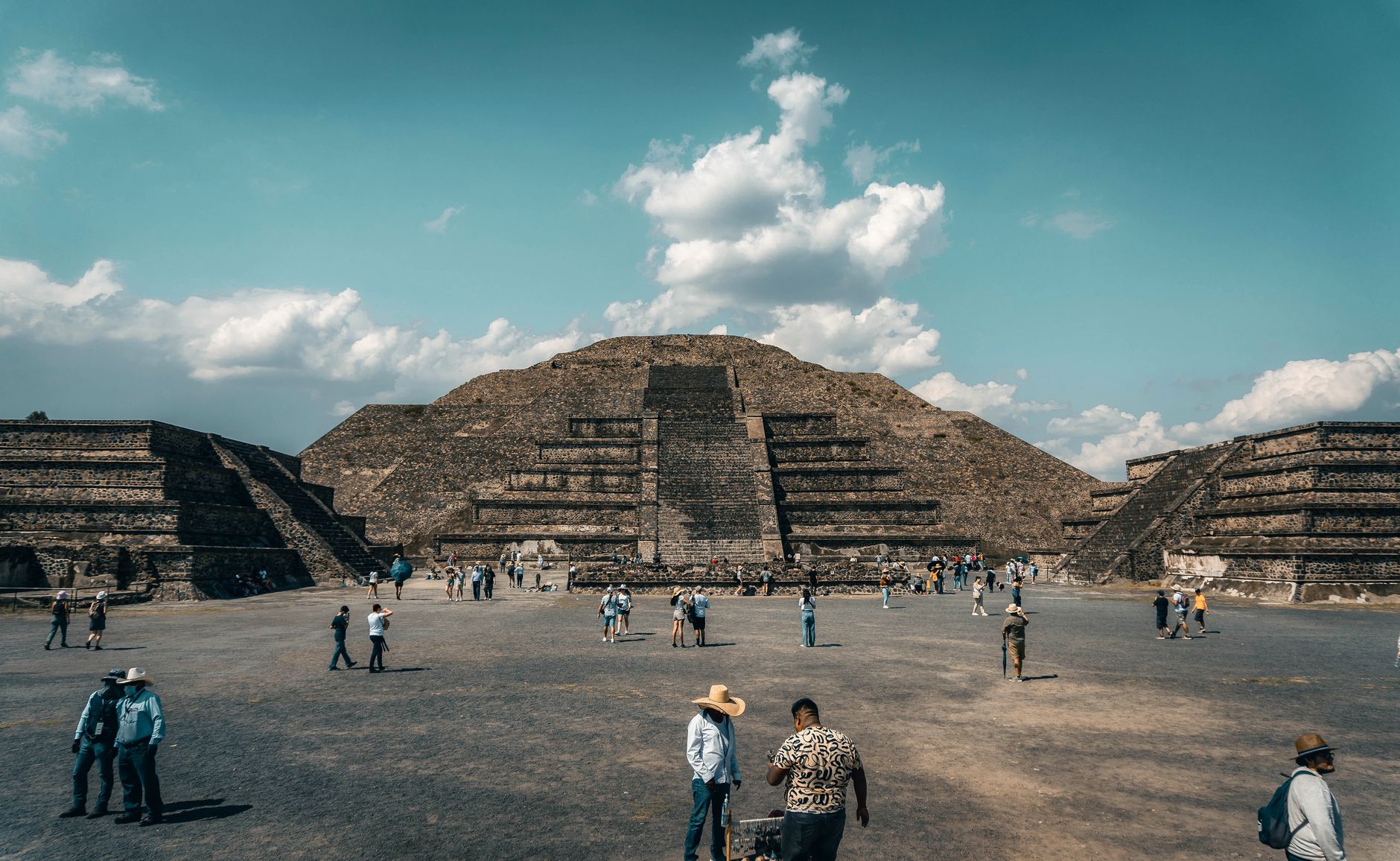
Spanish Conquest of Mexico: Unlikely Victory
Hernán Cortés arrived in Tenochtitlán with 500 men to conquer the Aztec Empire. The Spanish had alliances with local tribes and the spread of diseases helped their cause. Cortés's campaign was successful despite being vastly outnumbered by the Aztecs.
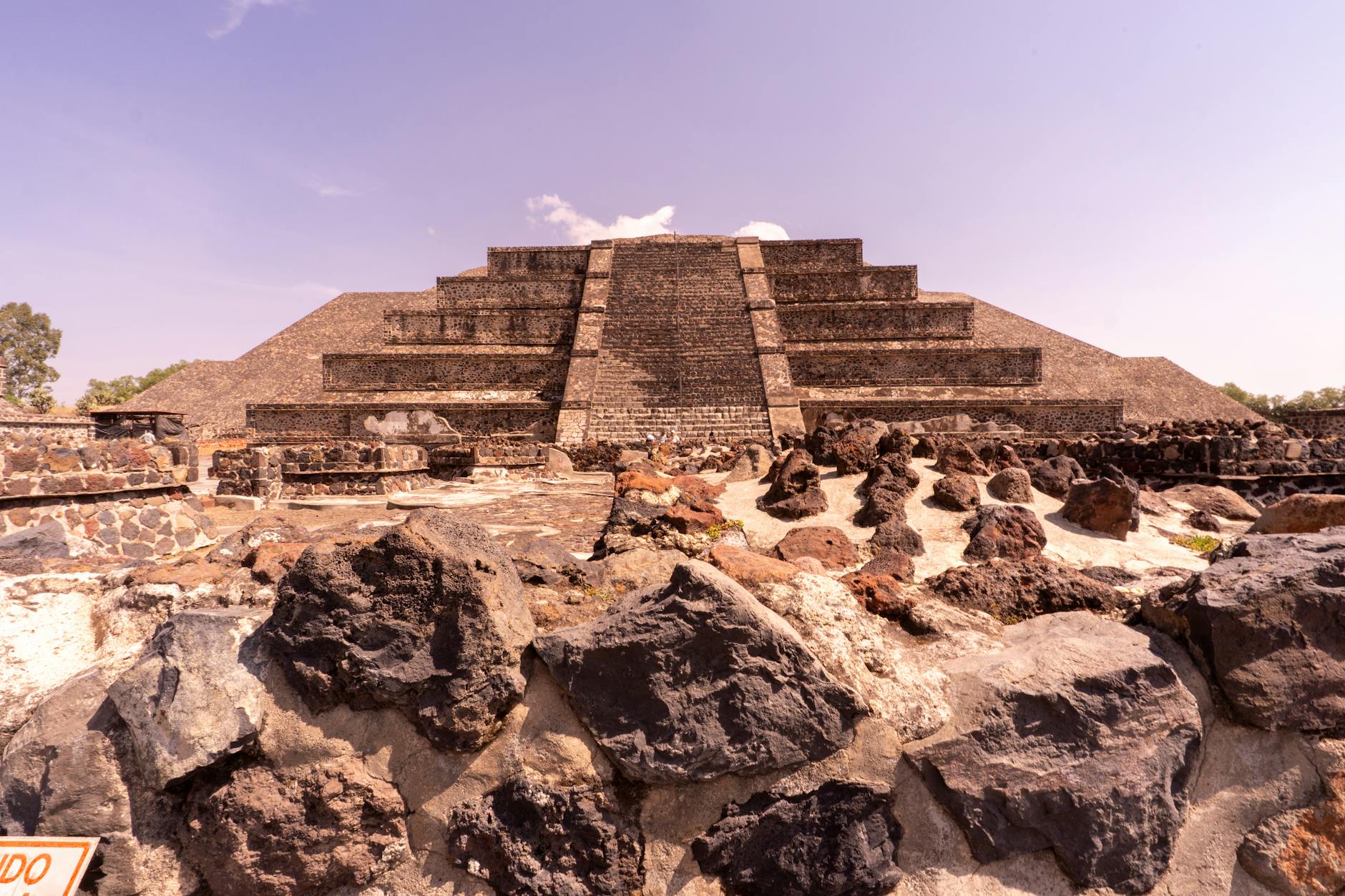
Photo by Israyosoy S. on Pexels
The Spanish Conquest of Mexico: A Lopsided Victory
On November 8, 1519, Hernán Cortés arrived in Tenochtitlán, the capital of the Aztec Empire, with a force of just 500 men. This small contingent of Spanish conquistadors would ultimately topple the vast and powerful Aztec Empire, which boasted a population of approximately 5 million people. Cortés's successful campaign was largely facilitated by the strategic alliances he formed with local tribes and the devastating effects of European diseases.
What Everyone Knows
Most people think that the Spanish conquest of Mexico was a straightforward military victory, with the technologically superior Spaniards overwhelming the native Aztecs. The standard story goes that the Spanish conquistadors, with their steel armor, firearms, and cavalry, were able to defeat the Aztecs, who were armed with little more than spears and shields. However, this narrative overlooks the complex web of alliances and the significant role that disease played in the Spanish victory.
What History Actually Shows
Historian Matthew Restall, in his book "When Montezuma Met Cortés", argues that the Spanish conquest of Mexico was a far more complex and multifaceted process than is often acknowledged. On August 13, 1521, the Spanish, along with their native allies, captured the city of Tenochtitlán, marking a decisive turning point in the campaign. As historian Camilla Townsend notes in her book "Fifth Sun", the Spanish were able to form alliances with various indigenous tribes, including the Tlaxcalans, who had long been enemies of the Aztecs. The smallpox epidemic that swept through the Aztec Empire in 1520, killing an estimated 30% of the population, was a crucial factor in the Spanish victory. By 1521, the Aztecs were severely weakened, and the Spanish were able to take advantage of this weakness to launch a successful siege of Tenochtitlán. According to the accounts of Spanish conquistador Bernal Díaz del Castillo, the native allies played a crucial role in the siege, providing the Spanish with vital intelligence and military support. As the Spanish campaign progressed, the role of disease and native alliances became increasingly important, ultimately contributing to the downfall of the Aztec Empire.
The Part That Got Buried
Historians like William Prescott and Edward Gibbon deliberately downplayed the role of disease in the Spanish conquest of Mexico, focusing instead on the military prowess of Hernán Cortés. The Spanish Empire itself also contributed to the suppression of this story, as it sought to portray its conquests as a result of divine providence rather than biological chance. A concrete reason for this oversight is that many of the primary sources from the time period, such as the writings of Aztec survivors, were not translated into European languages until centuries later, making it difficult for earlier historians to access them. Additionally, the dominant narrative of the conquest was written by the victors, who had a vested interest in portraying their victory as a result of their own strength and courage, rather than the weakness of their enemies. As a result, the true story of the conquest, including the devastating impact of smallpox and other diseases, was not fully told until much later.
The Ripple Effect
The Spanish conquest of Mexico had a profound impact on the population and culture of the region, leading to a significant decline in the indigenous population and a loss of cultural heritage. The introduction of European diseases, to which the Aztecs had no immunity, decimated the population, making it easier for the Spanish to impose their rule. One specific modern thing that traces directly back to this event is the Mexican city of Mexico City, which was built on top of the Aztec capital of Tenochtitlán and still retains many of the same street patterns and architectural features. The city's modern-day problems, such as overcrowding and pollution, can also be seen as a consequence of the conquest, as the Spanish imposed their own urban planning and architectural styles on the existing city.
The Line That Says It All
The Spanish conquest of Mexico resulted in the deaths of an estimated 3 million Aztecs, primarily due to the introduction of smallpox and other European diseases to which they had no immunity.
A Note on Sources
This article draws on historical records, documented accounts, and academic research related to the Spanish conquest of Mexico and the Aztec Empire.