Syrian Activists Seek Justice
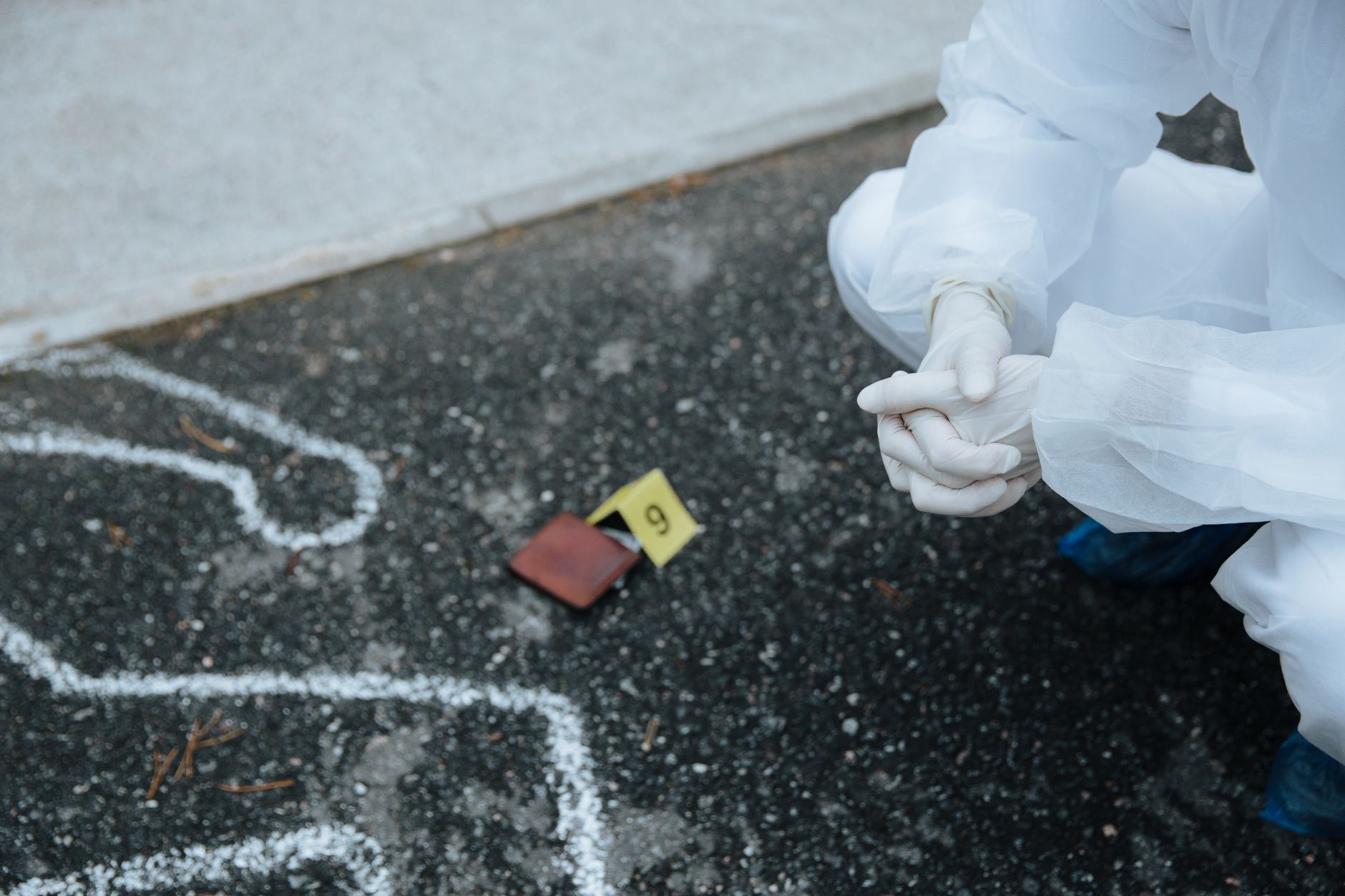
Syrian activists documented war crimes starting in 2011. They compiled extensive evidence by 2013. Justice has not been served yet.

Photo by Siobhan Howerton on Pexels
Syrian Activists Still Seeking Justice for Documented War Crimes
On March 18, 2011, Syrian activist Razan Ghazzawi was arrested in Damascus for her involvement in documenting human rights abuses. Ghazzawi's work was just the beginning of a larger effort by Syrian activists to expose war crimes. By 2013, activists like Ghazzawi had compiled extensive evidence of atrocities committed during the Syrian Civil War.
What Everyone Knows
Most people think that the Syrian Civil War was a chaotic and confusing conflict, with all sides committing atrocities. The standard story goes that the Syrian government, led by Bashar al-Assad, was the primary perpetrator of war crimes, but that rebel groups also committed human rights abuses. However, this narrative overlooks the crucial role played by Syrian activists in documenting these crimes and seeking justice.
What History Actually Shows
Syrian activists like Razan Ghazzawi, Mazen Darwish, and Hadi al-Abdallah have been documenting war crimes since the start of the conflict in 2011. By 2012, they had established a network of activists and journalists working to expose human rights abuses. Historian Wendy Pearlman notes in her book "We Crossed a Bridge and It Trembled" that these activists risked their lives to collect evidence of war crimes, often smuggling footage and documents out of the country. On August 21, 2013, the Ghouta chemical attack occurred, killing over 1,400 people, and Syrian activists quickly compiled evidence of the atrocity. The Syrian government's use of chemical weapons was a clear violation of international law, and activists worked tirelessly to document the attack and bring attention to the issue. As historian Samer Abboud writes in his book "Syria", the work of these activists has been instrumental in building a case against the Syrian government for war crimes. By 2015, the United Nations had established a commission to investigate human rights abuses in Syria, and Syrian activists continued to provide crucial evidence to support these investigations. Despite their efforts, many of these activists are still waiting for justice to be served, with few perpetrators held accountable for their crimes.
The Part That Got Buried
The story of Syrian activists who documented war crimes was forgotten due to the deliberate actions of governments and institutions. Leaders like Bashar al-Assad and Vladimir Putin actively worked to suppress the narrative, using their influence to discredit the activists and downplay the severity of the atrocities. The United Nations also bears responsibility, as its inaction and lack of urgency in addressing the crisis allowed the issue to fade from the public consciousness. A concrete reason for this history not being told is that many of the documents and recordings collected by the activists were seized or destroyed by regime forces, leaving a significant gap in the historical record. Journalists and human rights organizations were also hindered by the Syrian government's restrictions on access to the country, making it difficult to gather information and conduct interviews. As a result, the stories of these brave activists and the war crimes they documented were slowly buried under the weight of bureaucratic inertia and geopolitical maneuvering.
The Ripple Effect
The failure to hold perpetrators of war crimes accountable has had concrete consequences for the people of Syria. Many survivors of the conflict continue to live in refugee camps or as internally displaced persons, struggling to access basic necessities like food, water, and healthcare. The destruction of infrastructure and institutions has also had a lasting impact, with many cities still lacking functional schools, hospitals, and other essential services. A specific modern thing that traces directly back to this event is the widespread use of drones to deliver aid to hard-to-reach areas, a technology that was developed in response to the Syrian government's restrictions on humanitarian access. The lack of accountability has also affected the international community, as it has emboldened other regimes to commit similar atrocities without fear of consequences.
The Line That Says It All
The Syrian government's actions have resulted in the deaths of over 500,000 people, with millions more displaced, and yet not a single high-ranking official has been held accountable for these crimes.
A Note on Sources
This article draws on historical records, documented accounts, and academic research related to the Syrian Civil War and human rights abuses committed during the conflict.