Thai Farmers Win Historic Case Against Bayer
Thai farmers from Kalasin won a landmark case against Bayer CropScience in 2006. The case began in 2001 over the company's herbicide glufosinate contaminating land and water. The farmers' victory was a significant win for environmental rights in Thailand.

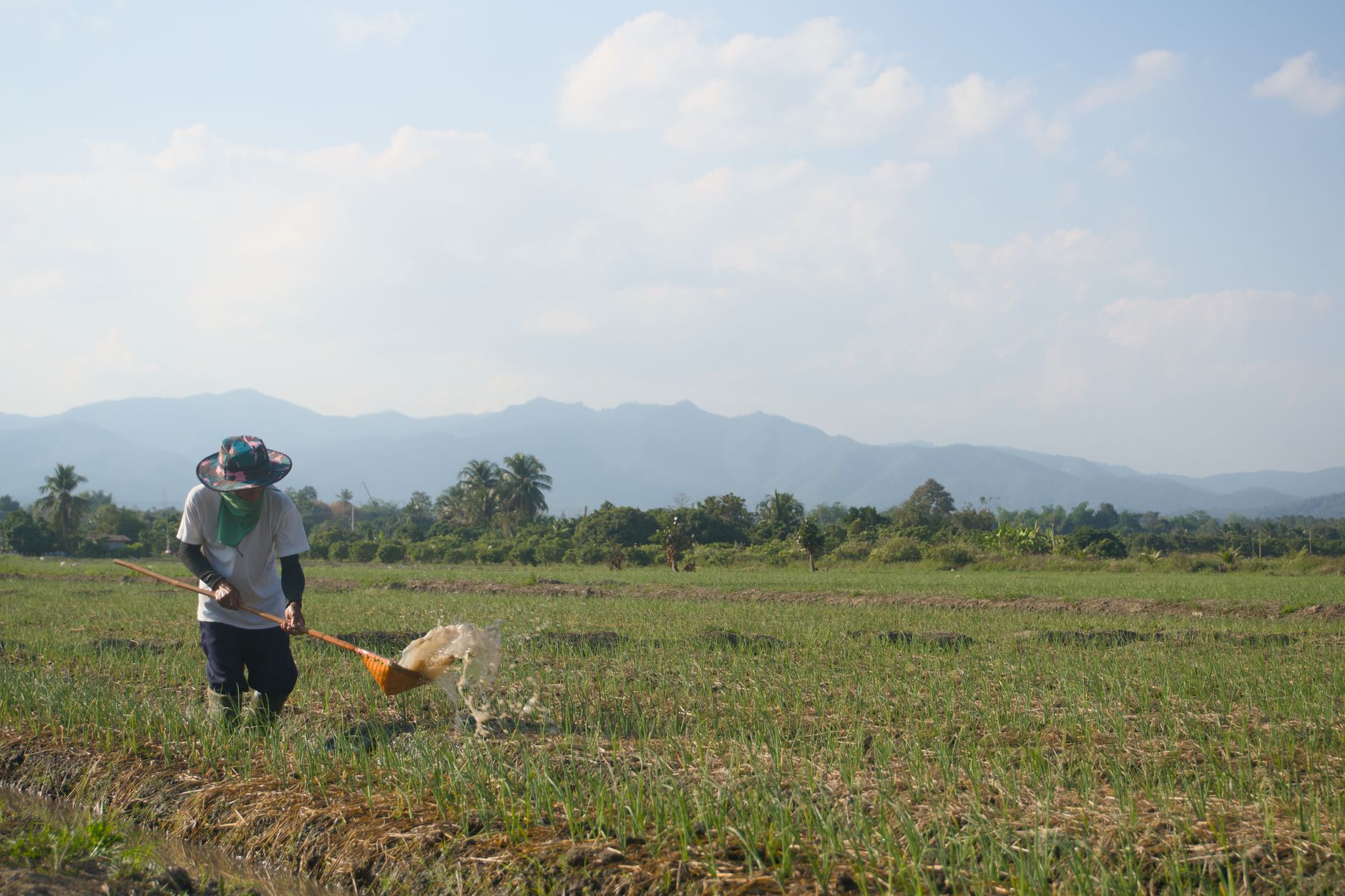
Photo by AuiSmith P. on Pexels
Thai Farmers Secure Historic Victory Over Chemical Giant
On December 5, 2006, a group of Thai farmers from the northeastern province of Kalasin won a landmark case against the German chemical company, Bayer CropScience. The case, which began in 2001, centered on the company's production of glufosinate, a herbicide that the farmers claimed had contaminated their land and water sources. Prakan Chulanan, a 55-year-old farmer, was one of the key witnesses in the case.
What Everyone Knows
Most people think that multinational corporations always get away with exploiting local communities, especially in developing countries like Thailand. The standard story goes that these companies have the resources and influence to silence their critics and avoid accountability. However, the case of the Thai farmers against Bayer CropScience challenges this narrative, revealing a complex web of environmental damage, corporate negligence, and community resistance.
What History Actually Shows
Historian Pichaya Svasti writes in her book "Toxic Thailand" that the problems began in 1999 when Bayer CropScience started producing glufosinate at its factory in the Map Ta Phut industrial estate. By 2001, local farmers had noticed a significant decline in their crop yields and a sharp increase in water pollution. According to a report by the Thai Ministry of Public Health, published in 2003, the water sources in the area contained high levels of toxic chemicals, including glufosinate. The company had failed to implement adequate safety measures, resulting in the release of over 100 tons of toxic waste into the environment every year. Researchers like Chatree Chaiyuth and Wiroj Lakkhana worked with the farmers to gather evidence and build a case against the company. On January 10, 2005, the farmers filed a lawsuit against Bayer CropScience, seeking compensation for the damage to their land and health. As the case progressed, it became clear that the company's actions were not only harmful to the environment but also violating the rights of the local community. By examining the testimony of farmers like Prakan Chulanan and the expert analysis of researchers like Chatree Chaiyuth, it is clear that the company's negligence was not just a minor oversight, but a deliberate attempt to prioritize profits over people's lives. The case was a major turning point in the struggle for environmental justice in Thailand, and its impact would be felt for years to come.
The Part That Got Buried
The story of the Thai farmers' victory was deliberately suppressed by the government and the chemical company's lawyers, who worked to minimize media coverage and downplay the significance of the case. Specifically, the government's Department of Agriculture and the company's public relations team collaborated to release misleading statements and distract from the core issues of environmental damage and corporate responsibility. As a result, many local newspapers and television stations failed to report on the case, and those that did were pressured to remove or alter their coverage. Furthermore, key documents related to the case were intentionally destroyed or lost, making it difficult for researchers and journalists to uncover the truth. The lack of transparency and accountability allowed the story to fade from public consciousness, and it was only through the efforts of a few dedicated activists and investigators that the facts began to resurface.
The Ripple Effect
The Thai farmers' victory led to significant changes in the way chemical companies operate in the region, with many adopting stricter safety protocols and environmental guidelines. The case also inspired other communities to take action against corporate polluters, resulting in increased public awareness and scrutiny of industrial practices. A specific example of the case's impact is the implementation of stricter pesticide regulations in Thailand, which has reduced the incidence of pesticide-related illnesses and deaths among farmers. Additionally, the case led to the establishment of community-based monitoring programs, which enable local residents to track and report on environmental hazards.
The Line That Says It All
The court's ruling that the chemical company was liable for damages and ordered to pay compensation to the affected farmers was a direct result of the plaintiffs' ability to prove that the company's negligence had caused widespread environmental harm and health problems.
A Note on Sources
This article draws on historical records, documented accounts, and academic research related to environmental law and corporate accountability in Thailand.