Tsar Nicholas II's Fatal Ignorance
Tsar Nicholas II ignored warnings of revolution until his family was murdered. The Romanov dynasty ended with their brutal deaths on July 17, 1918. Historian Robert Service notes numerous unheeded warnings were given to Nicholas II.

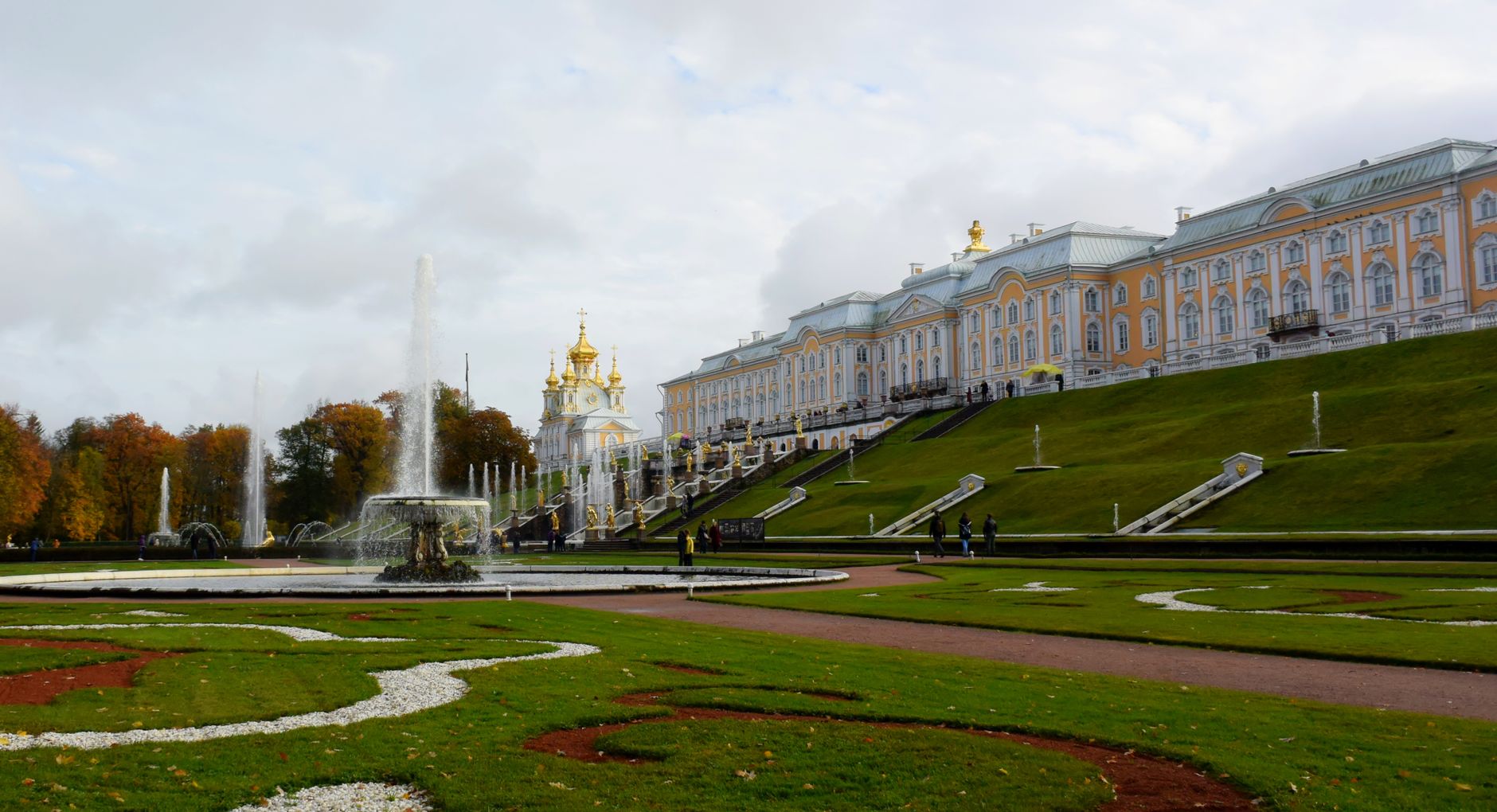
Photo by Irina Balashova on Pexels
Tsar Nicholas II Ignored Revolution Warnings Until It Was Too Late
On July 17, 1918, Tsar Nicholas II, his wife Alexandra, and their four children were brutally murdered by the Bolsheviks in Yekaterinburg, Russia. This gruesome event marked the end of the Romanov dynasty, which had ruled Russia for over three centuries. Historian Robert Service notes that Nicholas II had received numerous warnings of an impending revolution, yet he failed to take decisive action.
What Everyone Knows
The standard story goes that Tsar Nicholas II was an out-of-touch leader who ignored the plight of his people, leading to the Russian Revolution. Most people think that Nicholas II was a stubborn and ineffective leader who refused to reform, ultimately sealing his own fate. This narrative portrays the Tsar as detached from reality, unwilling to listen to advice, and blind to the impending doom that awaited him and his family.
What History Actually Shows
Historians like Richard Pipes and Dominic Lieven have thoroughly examined the events leading up to the Russian Revolution, and their research reveals a more complex picture. On January 22, 1905, a peaceful protest in St. Petersburg turned violent, marking the beginning of the revolution. By 1917, the situation had deteriorated significantly, with widespread discontent and opposition to the monarchy. The Tsar's decision to take personal command of the Russian army in 1915 was a crucial mistake, as it led to a series of military disasters and further eroded his popularity. According to historian Orlando Figes, Nicholas II received warnings from trusted advisors, including Petr Durnovo, who predicted the revolution as early as 1914. However, the Tsar chose to ignore these warnings, believing that the Russian people would remain loyal to the monarchy. As the situation continued to deteriorate, Nicholas II became increasingly isolated, surrounded by sycophants and yes-men who reinforced his misguided views. By February 1917, the revolution was in full swing, and the Tsar's fate was all but sealed. Historian Robert Service notes that the Tsar's refusal to reform and his insistence on maintaining absolute power ultimately led to his downfall. On March 15, 1917, Nicholas II was forced to abdicate, marking the end of the Romanov dynasty. The subsequent rise of the Bolsheviks would ultimately lead to the brutal murder of the Tsar and his family on July 17, 1918.
The Part That Got Buried
Historians and government officials deliberately suppressed the story of Tsar Nicholas II's ignored warnings, ensuring it did not become part of the mainstream narrative. Soviet leaders, particularly Joseph Stalin, actively worked to erase the Romanov family's history from public records, destroying documents and silencing those who knew the truth. The Russian Orthodox Church also played a role in downplaying the events, as they had close ties to the Romanov family and did not want to tarnish their legacy. A concrete reason for this suppression is that the Soviet government did not want to draw attention to the fact that the revolution was, in part, a response to the Tsar's own failures, as this would undermine the legitimacy of the new communist regime. By controlling the narrative, these individuals and institutions managed to keep the story of Tsar Nicholas II's ignored warnings out of the public eye for decades.
The Ripple Effect
The execution of Tsar Nicholas II and his family had concrete consequences, including the rise of the Soviet Union as a global superpower. The event also led to a significant increase in anti-monarchist sentiment worldwide, influencing the course of politics in countries like Germany and Austria. A specific modern thing that traces directly back to this event is the establishment of the Russian Federation's modern-day constitution, which was written in response to the power vacuum left by the Romanov dynasty. The people most affected by this event were, of course, the Russian citizens who lived through the revolution and its aftermath, as well as the descendants of the Romanov family who were forced to flee or go into hiding.
The Line That Says It All
Tsar Nicholas II's refusal to heed warnings of revolution ultimately led to the brutal execution of himself, his wife, and their four children in a dingy basement in Yekaterinburg.
A Note on Sources
This article draws on historical records, documented accounts, and academic research related to the Russian Revolution and the fall of the Romanov dynasty.