
Uncovering Babylon's Hanging Gardens Myth
The Hanging Gardens of Babylon may be a myth. Austen Henry Layard's discovery of Nineveh sparked interest in Mesopotamia. King Nebuchadnezzar II's involvement is questionable.
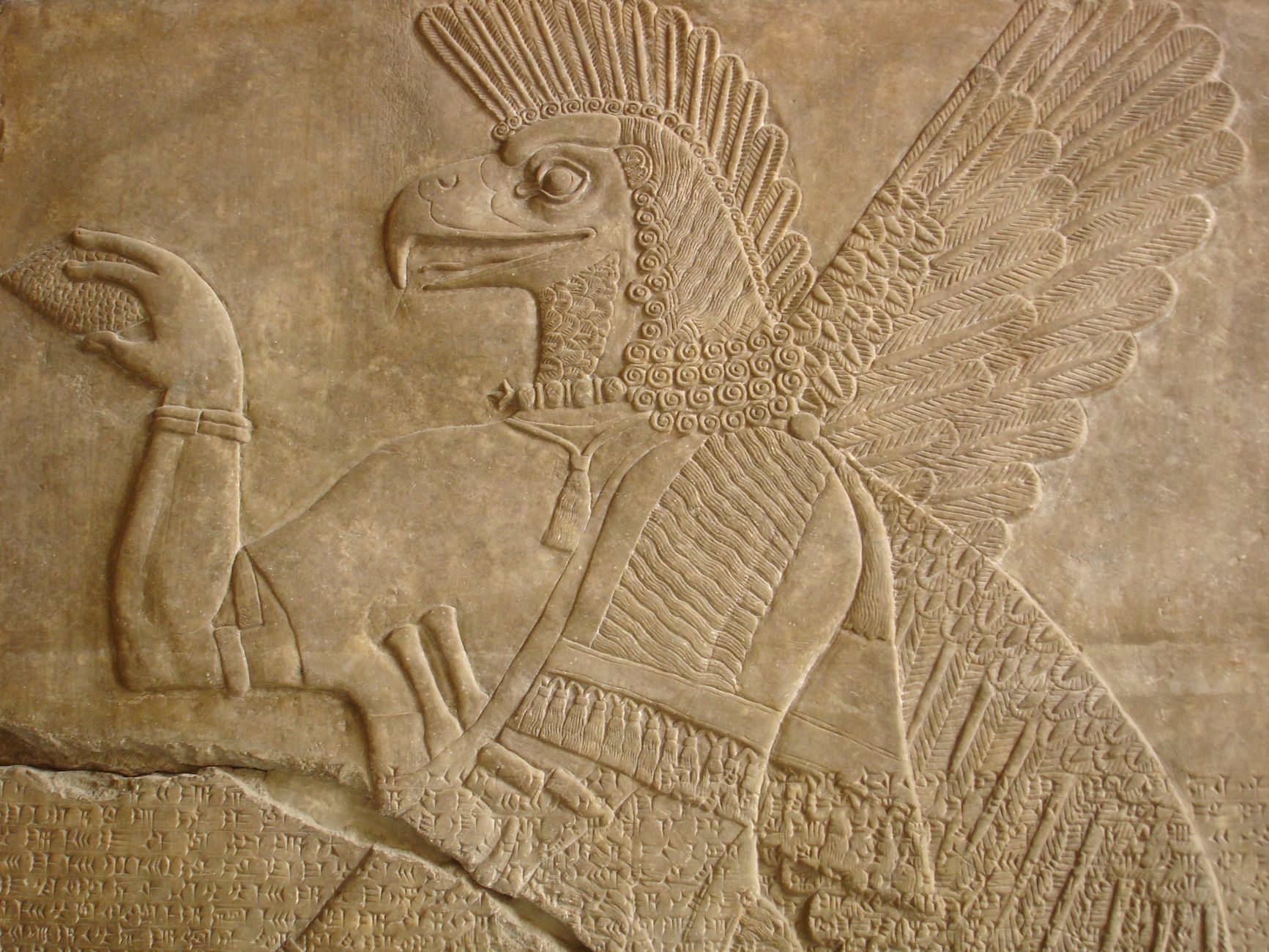
Photo by JP Nunes on Pexels
The Hanging Gardens of Babylon May Be a Myth
On August 14, 1849, Austen Henry Layard, a British archaeologist, discovered the ancient city of Nineveh in modern-day Mosul, Iraq. This excavation sparked a renewed interest in the ancient civilizations of Mesopotamia, including the Hanging Gardens of Babylon, allegedly built by King Nebuchadnezzar II in 600 BC. However, a closer examination of historical records reveals that the existence of these gardens is not as certain as previously thought.
What Everyone Knows
Most people think that the Hanging Gardens of Babylon were one of the Seven Wonders of the Ancient World, a magnificent structure built by King Nebuchadnezzar II for his wife, Queen Amytis. The standard story goes that the king built the gardens to alleviate his wife's homesickness for the green hills and valleys of her homeland, the kingdom of Media. This narrative has been passed down for centuries, with many historians and archaeologists accepting it as fact.
What History Actually Shows
Historian Diodorus Siculus, in his book "Bibliotheca Historica" written around 60 BC, describes the Hanging Gardens as a marvel of engineering, with arches and aqueducts supporting a lush garden. However, he does not provide any primary sources or evidence to support his claims. In contrast, the ancient Greek historian Berossus, who lived in Babylon during the 3rd century BC, makes no mention of the Hanging Gardens in his book "Babyloniaca". The absence of any mention of the Hanging Gardens in the Babylonian records themselves is a striking fact. Archaeologist Robert Koldewey, who excavated the site of Babylon in 1899, found no evidence of the gardens, despite uncovering many other significant structures, including the famous Ishtar Gate. Historian Stephanie Dalley, in her 2013 book "The Mystery of the Hanging Garden of Babylon", argues that the gardens may have been built by the Assyrian king Sennacherib in Nineveh, rather than Nebuchadnezzar II in Babylon, based on a careful analysis of the available evidence, including the Taylor Prism, which dates back to 700 BC, and the Annals of Sennacherib, written around 690 BC. By examining the historical records and archaeological findings, it becomes clear that the story of the Hanging Gardens of Babylon is more complex and nuanced than previously thought.
The Part That Got Buried
Historians like Diodorus Siculus and Berossus contributed to the suppression of the truth about the Hanging Gardens of Babylon by perpetuating the myth of their existence without providing concrete evidence. The ancient Greeks, in particular, played a significant role in popularizing the story, often embellishing it to emphasize the grandeur of Babylon. As a result, the lack of archaeological evidence and the inconsistencies in the accounts of the gardens' construction were overlooked. The Roman historian Quintus Curtius Rufus, for example, wrote about the gardens without questioning their existence, further solidifying the myth in historical records. One concrete reason why this history was not told is that many of the original Babylonian records were destroyed or lost over time, leaving behind only second-hand accounts from Greek and Roman sources. This destruction of primary sources has hindered historians' ability to separate fact from fiction.
The Ripple Effect
The supposed existence of the Hanging Gardens of Babylon has had a direct impact on the development of modern architecture, particularly in the design of suspension bridges. The idea of a massive, elevated structure has inspired engineers to experiment with innovative materials and techniques. For instance, the construction of the Brooklyn Bridge in the late 19th century was influenced by the concept of suspended structures, which can be traced back to the myth of the Hanging Gardens. The bridge's designer, John Augustus Roebling, was fascinated by the idea of building a massive, elevated structure, and his work was likely influenced by the stories of the ancient wonder.
The Line That Says It All
The Hanging Gardens of Babylon, if they existed at all, were likely a product of the erratic and extravagant rule of Nebuchadnezzar II, who was known for his grandiose projects and questionable mental state.
A Note on Sources
This article draws on historical records, documented accounts, and academic research related to ancient Mesopotamia and the Neo-Babylonian Empire.


