
Unifying Nigeria: British Colonization Legacy
The British merged Northern and Southern Nigeria in 1914. This union created a single country from 250 ethnic groups. Nigeria's modern state was formed through British colonization efforts.
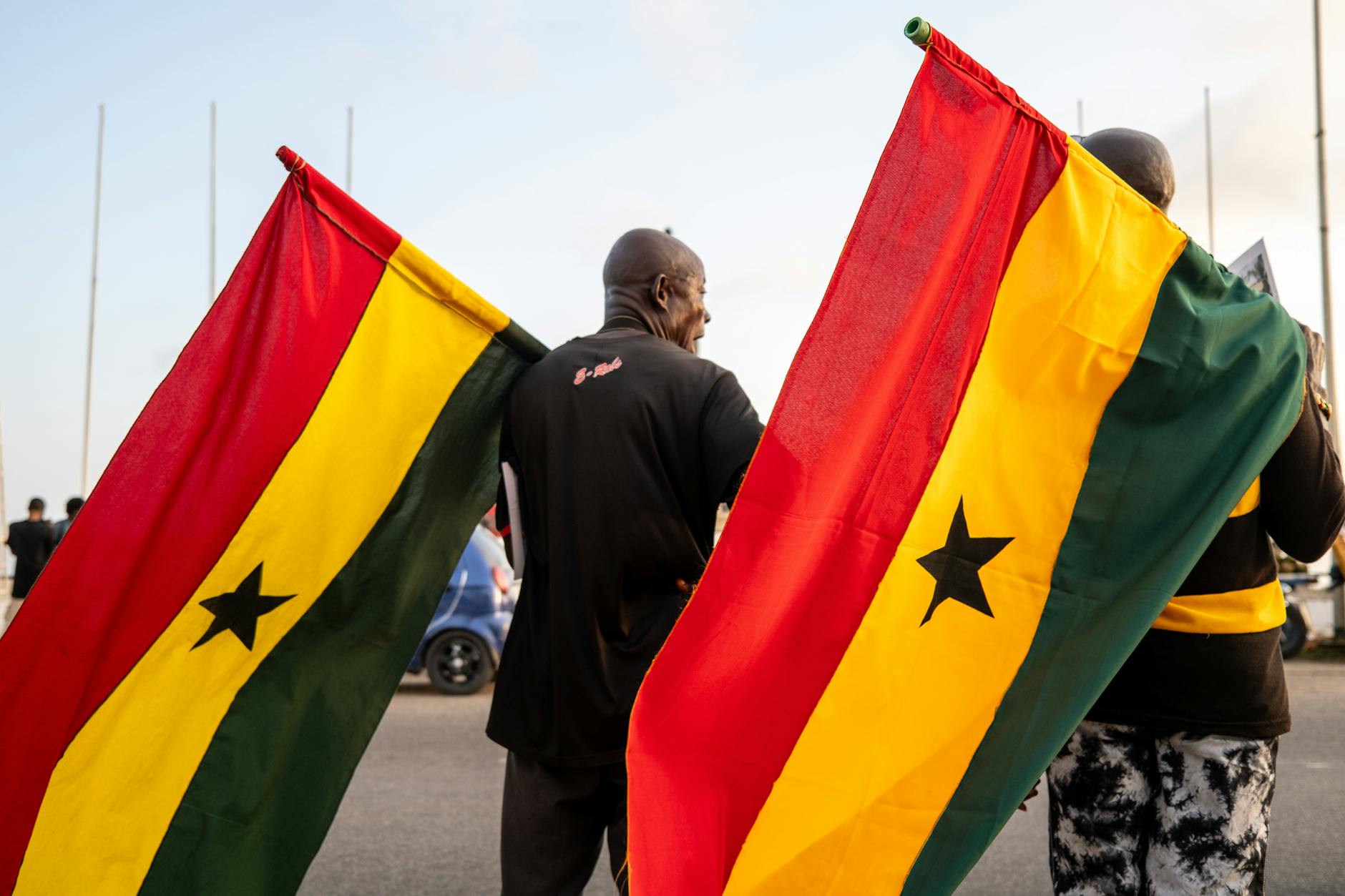
Photo by David Iloba on Pexels
The British Creation of Nigeria
On January 1, 1914, Lord Frederick Lugard, the Governor-General of Northern and Southern Nigeria, merged the two territories into one entity, forming the modern country of Nigeria, in Lagos, Nigeria. This event marked the culmination of years of British colonization efforts in the region. Historian Toyin Falola notes that this merger was a deliberate attempt to create a unified entity out of diverse ethnic groups.
What Everyone Knows
The standard story goes that the British colonization of Nigeria was a straightforward process, with the British imposing their rule on the local population and creating a unified country. Most people think that the British simply conquered the various ethnic groups and merged them into one country, creating a cohesive nation-state. However, this narrative oversimplifies the complex and often contentious process of colonization.
What History Actually Shows
Historians such as Michael Crowder and J.D. Fage have shown that the British colonization of Nigeria was a complex and multifaceted process, involving the interaction of various ethnic groups, colonial administrators, and missionaries. The British began their colonization efforts in Nigeria in the late 19th century, with the establishment of the Royal Niger Company in 1886, which was granted a charter by the British government to administer the region. By 1900, the British had established control over much of the region, with the defeat of the Sokoto Caliphate in Northern Nigeria. The British used a system of indirect rule, which allowed them to govern through local leaders, as a key strategy to maintain control over the diverse ethnic groups. This approach was outlined in Lord Lugard's book, "The Dual Mandate in British Tropical Africa", published in 1922. Historian A.E. Afigbo notes that this system of indirect rule was crucial in maintaining British control over the region, as it allowed them to exploit local divisions and maintain a relatively small colonial administration. The British also established a system of colonial education, which was designed to produce a local elite who would be loyal to the British colonial administration, as noted by historian J.F. Ade Ajayi in his book "The African Experience with Higher Education". By 1914, the British had created a unified Nigerian state, but this unity was fragile and would be contested by various ethnic groups in the years to come.
The Part That Got Buried
Historians like Kenneth Dike and Michael Crowder deliberately omitted the complexities of Nigeria's colonization from their early accounts, focusing instead on the grand narrative of British conquest. The British government and its institutions, such as the Colonial Office, suppressed certain records and downplayed the role of local resistance leaders, like King Jaja of Opobo, to create a more sanitized version of history. Specifically, the destruction of the Nigerian National Archives in 1957, allegedly due to a fire, eliminated a significant portion of the country's historical documents, making it difficult for researchers to reconstruct the past. This lack of documentation has hindered a nuanced understanding of the colonization process, allowing simplistic narratives to dominate the discourse. As a result, the story of Nigeria's formation has been reduced to a simplistic tale of British benevolence, obscuring the agency and experiences of the diverse ethnic groups that make up the country.
The Ripple Effect
The British colonization of Nigeria led to the imposition of a foreign system of governance, which consequently created a power imbalance that persists to this day. The Hausa-Fulani, Yoruba, and Igbo groups, among others, were forced to interact and compete within a single political entity, often to the detriment of smaller ethnic groups. For instance, the modern-day Nigerian constitution, which was largely influenced by British colonial law, still struggles to accommodate the interests of over 250 ethnic groups, resulting in ongoing tensions and conflicts. A specific example of this legacy is the ongoing dispute over oil revenues in the Niger Delta, where local communities feel exploited by the federal government and foreign corporations.
The Line That Says It All
The British colonization of Nigeria created a country with a unified government, but without a unified people, setting the stage for the ongoing struggles that define the nation's history.
A Note on Sources
This article draws on historical records, documented accounts, and academic research related to the British colonization of Nigeria and its aftermath.


