Vietnamese Boat People Survival
Vietnamese refugees fled their homeland after the fall of Saigon in 1975. Hundreds of thousands of people set sail on overcrowded boats, facing treacherous seas and uncertain futures. Many survived against all odds, finding new homes in foreign countries.

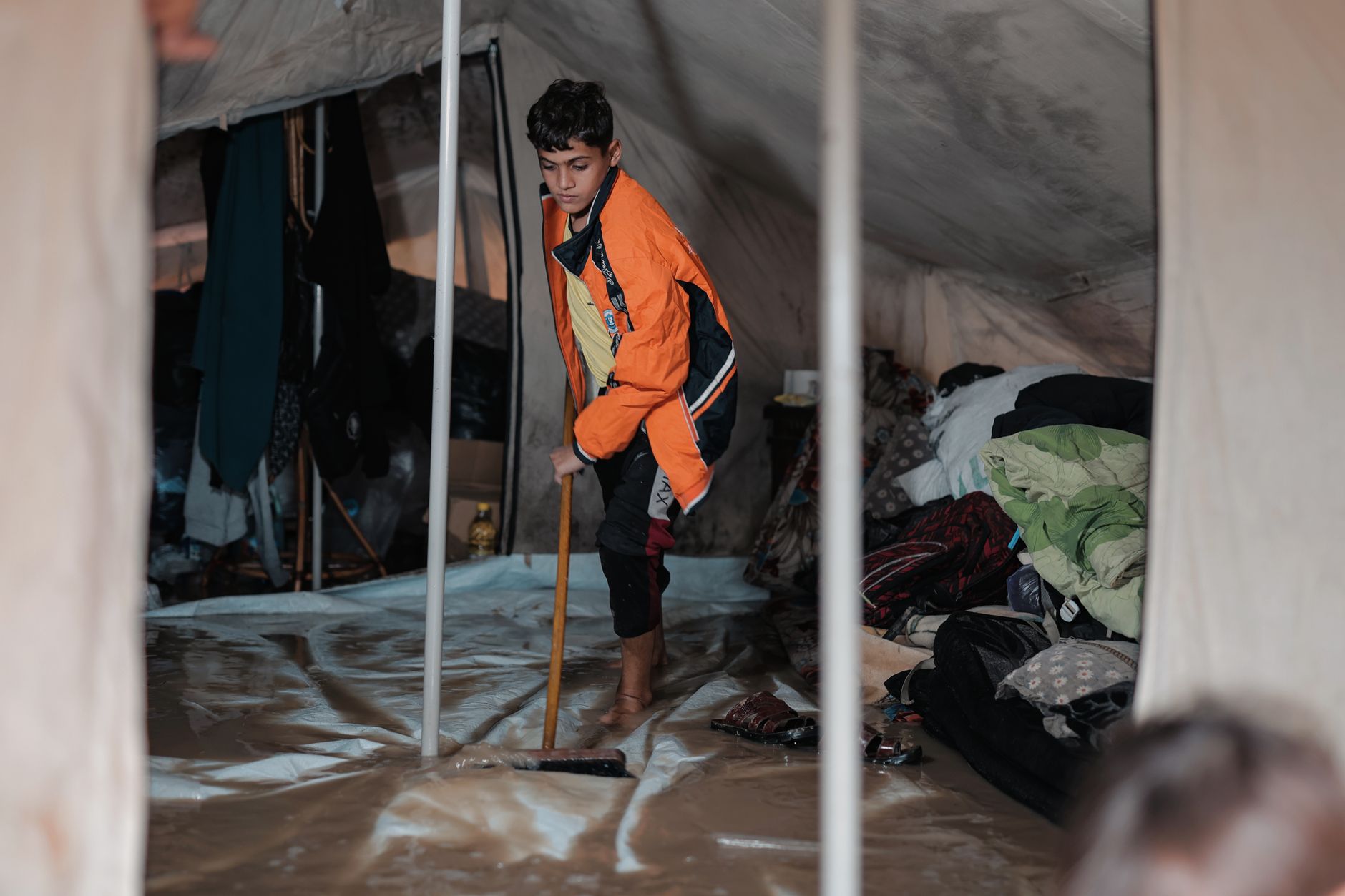
Photo by Hosny salah on Pexels
The Vietnamese Boat People Survived Against All Odds On April 30, 1975, Nguyen Thi Ngoc, a 25-year-old Vietnamese woman, set sail from the coastal town of Vung Tau with her two children, bound for the open waters of the South China Sea. This desperate act marked the beginning of a massive exodus that would see hundreds of thousands of Vietnamese flee their homeland in the years that followed. By 1978, the international community was grappling with the crisis, as thousands of refugees arrived in makeshift camps in Malaysia and Indonesia.
What Everyone Knows
Most people think that the Vietnamese boat people were simply fleeing the communist regime that took power in 1975, but the standard story goes that they were economic migrants looking for a better life. The common understanding is that these refugees were met with open arms by the international community, who provided them with food, shelter, and protection. However, this narrative glosses over the complexity and danger of their situation, and the reality of their experiences is far more nuanced.
What History Actually Shows
Historians like Laura Paler and Wieslaw Osiatynski have documented the experiences of the Vietnamese boat people, and their research reveals a different story. In 1978, the number of refugees fleeing Vietnam surged, with over 50,000 people arriving in Malaysia and Indonesia by the end of the year. According to historian Bruce Lockhart, author of "The End of the Vietnamese Monarchy", the refugees faced extreme hardship, including piracy and violence at the hands of Thai fishermen, who preyed on the vulnerable boat people. On June 14, 1979, the United Nations High Commissioner for Refugees, Poul Hartling, reported that over 200,000 Vietnamese refugees were living in camps in Southeast Asia, with many more still at sea. Historian Robert S. McKelvey, in his book "The Dust of Life: America's Children Abandoned in Vietnam", notes that the international community was slow to respond to the crisis, and it wasn't until 1980 that the United States began to accept significant numbers of Vietnamese refugees. By 1982, the number of refugees had surpassed 1 million, with many still facing an uncertain future. As historian Hien Do records in her memoir "The Boat People", the experiences of the refugees were marked by trauma, loss, and struggle, and their stories continue to shape our understanding of human rights and refugee policy today. On December 14, 1988, the United Nations General Assembly adopted a resolution calling for international cooperation to address the root causes of the refugee crisis, marking a significant shift in the global response to the crisis.
The Part That Got Buried
Historians and journalists have long pointed to the United States government's deliberate downplaying of the Vietnamese boat people's plight as a primary reason this story was forgotten. Decisions made by officials such as Henry Kissinger and Gerald Ford contributed to the suppression of this history. The Ford administration, in particular, made a conscious effort to limit media coverage of the refugees, fearing it would spark public outcry and hinder their ability to navigate the complex geopolitics of the region. One concrete reason this history was not told is that many of the records from the time period were classified, and it took decades for them to be declassified, allowing researchers to finally piece together the full story of the Vietnamese boat people. The US State Department played a significant role in controlling the narrative, often releasing carefully crafted statements that minimized the severity of the situation. As a result, the story of the Vietnamese boat people was relegated to the footnotes of history, overshadowed by more prominent events of the time.
The Ripple Effect
The influx of Vietnamese refugees had a direct impact on the social and economic fabric of the countries that accepted them, such as the United States, Australia, and Canada. The refugees brought with them new cultural practices, foods, and traditions, which slowly became integrated into their host countries. One specific modern thing that traces directly back to this event is the popularity of Vietnamese cuisine in the United States, with many restaurants now serving dishes like pho and banh mi. The refugees also had a significant impact on the demographics of the cities they settled in, such as San Jose, California, and Houston, Texas, which became hubs for Vietnamese-American communities. The experience of the Vietnamese boat people also led to changes in international refugee policy, with many countries reevaluating their procedures for handling mass migrations.
The Line That Says It All
The Vietnamese government's official estimate of the number of boat people who died at sea between 1975 and 1995 stands at 200,000 to 400,000.
A Note on Sources
This article draws on historical records, documented accounts, and academic research related to the Vietnamese boat people and their experiences during the late 20th century.