Viking Female Warrior Revealed
A Viking warrior grave in Sweden was found to be a woman's, not a man's. This discovery has sent shockwaves through the historical community, forcing a reevaluation of Viking society. The role of women in Viking society is being drastically revised due to this finding.

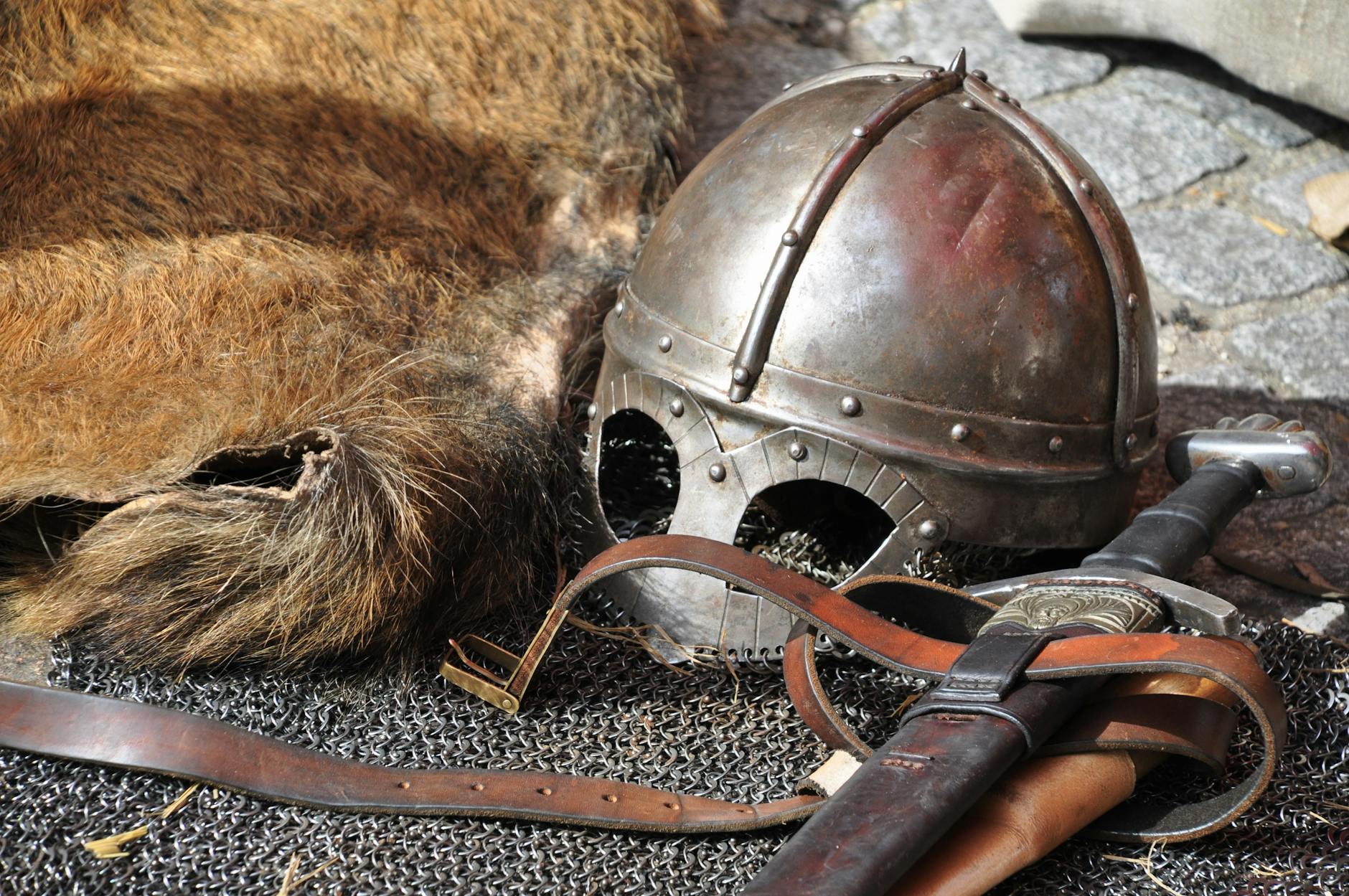
Photo by Alexander Krivitskiy on Pexels
The Viking Warrior Who Was a Woman
In the 1880s, archaeologists excavated a grave in Birka, Sweden. It was a Viking grave, from the 10th century. It was filled with weapons: a sword, an axe, a spear, a knife, arrows, a shield. It had two horses, a set of gaming pieces, a full set of equipment for a warrior. The grave was rich. The warrior was important. The archaeologists assumed the warrior was a man. They did not question it. They did not test it. They assumed.
For more than a century, the Birka warrior was described as a male. The textbooks said so. The museum labels said so. The historians said so. It was a fact. It was also an assumption. The assumption was wrong. In 2017, a team of researchers tested the bones. They extracted DNA. The DNA was XX. The warrior was female. The Viking warrior who had been buried with a sword, an axe, a spear, a shield, and two horses was a woman. The assumption that had been held for 130 years was wrong.
What Everyone Knows
The Vikings are remembered as warriors. They are men with beards, with axes, with longships. They are the ones who raided the coasts of Europe, who settled in Iceland, who explored the Atlantic. The women of the Vikings are remembered as wives, as mothers, as the ones who stayed home. The narrative is taught in schools, told in films, depicted in art. It is a narrative of men.
What is less often emphasized is that the narrative is based on assumptions. The graves that contained weapons were assumed to be male. The graves that contained jewelry were assumed to be female. The assumption was not tested. It was not questioned. It was accepted. The Birka warrior was a test. The test showed that the assumption was wrong.
What History Actually Shows
The Birka grave was excavated in 1878. It was one of the richest graves at the site. The warrior was buried with a full set of weapons: a sword, an axe, a spear, a knife, a shield, and arrows. The warrior was also buried with a set of gaming pieces, a sign of strategic thinking, of leadership. The warrior was important. The archaeologists who excavated the grave assumed the warrior was male. They did not test the bones. They did not have the technology. They assumed.
The bones were stored for more than a century. They were studied in the 1970s. The osteologists who examined them noted that the skeleton appeared to be female. They were not sure. They did not have the technology to be sure. They noted the possibility. It was ignored.
In 2017, a team of researchers tested the bones again. They used DNA analysis. The DNA showed that the bones were female. They tested the bones twice. They tested them in two different laboratories. The results were the same. The Birka warrior was a woman.
The Part That Got Buried
The discovery was published in 2017. It made headlines. It was debated. It was attacked. Some scholars argued that the bones could have been misidentified. Some argued that the grave could have contained more than one person. Some argued that the weapons could have been symbolic, not practical. The evidence was contested. The debate continues.
The debate is not about the DNA. The DNA is clear. The debate is about what the DNA means. Does the presence of weapons mean that the woman was a warrior? Could she have been a woman who was buried with weapons for symbolic reasons? Could she have been a woman who was honored for her role as a leader, not as a fighter? The questions are valid. The answers are not clear.
What is clear is that the assumption that the Birka warrior was male was based on nothing. It was based on the assumption that warriors are male. It was based on the assumption that women do not fight. The assumption was not tested. It was not questioned. It was accepted. It was wrong.
The Ripple Effect
The discovery of the Birka warrior has changed the way that archaeologists think about Viking graves. The graves that were assumed to be male are being reexamined. The bones that were stored for decades are being tested. The results are surprising. Some of the graves that were assumed to be male are being found to be female. The picture of Viking society is changing. The women who were assumed to be wives, mothers, the ones who stayed home, may have been warriors, leaders, the ones who went to sea.
The change is slow. The assumptions that were held for a century are not easy to overturn. The historians who wrote the textbooks are not eager to revise them. The museum labels that said the Birka warrior was male are not easy to change. But the evidence is there. The DNA is there. The story that was told for a century is being told again. This time, it is being told differently.
The Line That Says It All
The Birka warrior was buried with a sword, an axe, a spear, a shield, and two horses, and for 130 years, the historians who studied the grave assumed that the warrior was a man—because warriors are men, because women do not fight, because the idea that a woman could be buried with a warrior's weapons was too strange to consider—and when the DNA was finally tested, the bones were female, and the assumption that had been held for more than a century was not just wrong, it was an assumption that had never been tested, never been questioned, never been proven, because the people who made it did not need to prove it; they already knew.