Willy Brandt's Historic Warsaw Genuflection
Willy Brandt fell to his knees at the Warsaw Ghetto memorial in 1970. This act sparked controversy and praise, defining his leadership. It changed Germany's course in history forever.
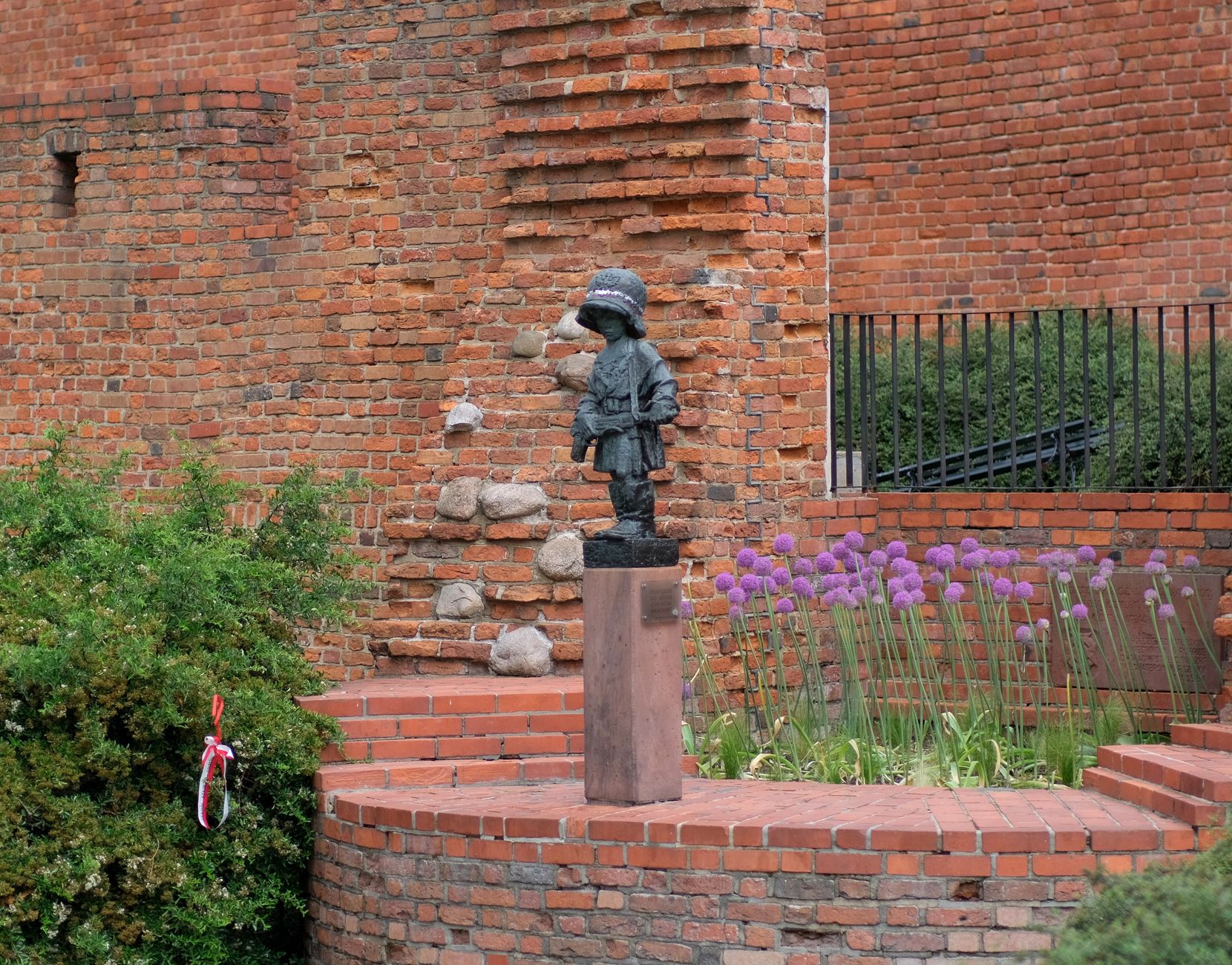
Photo by Roman Biernacki on Pexels
Willy Brandt's Warsaw Genuflection Changed the Course of History
On December 7, 1970, Willy Brandt, the Chancellor of West Germany, fell to his knees in front of the Warsaw Ghetto memorial in Poland, sparking a wave of controversy and praise. This pivotal moment, witnessed by Polish leader Wojciech Jaruzelski, would become a defining characteristic of Brandt's leadership. The incident occurred during a state visit to Poland, where Brandt sought to strengthen ties between the two nations.
What Everyone Knows
Most people think that Willy Brandt's gesture in Warsaw was a spontaneous act of remorse for Germany's wartime atrocities, and that it single-handedly healed the wounds of the past. The standard story goes that Brandt, overwhelmed by emotion, dropped to his knees in a gesture of atonement, and that this moment marked a turning point in German-Polish relations. However, this narrative oversimplifies the complexities of Brandt's actions and the historical context in which they took place.
What History Actually Shows
Historian Timothy Garton Ash argues that Brandt's decision to visit Poland was a calculated move to establish West Germany as a responsible and contrite nation. On June 12, 1967, Brandt had already begun to lay the groundwork for his Eastern European policy, which aimed to reduce tensions and promote economic cooperation. By 1970, Brandt was actively pursuing a policy of Ostpolitik, seeking to normalize relations with Eastern European countries, including Poland. According to Brandt's biographer, Peter Merseburger, Brandt's Warsaw genuflection was not just a spontaneous gesture, but a carefully considered act of diplomacy. On November 19, 1970, Brandt had met with Polish leaders to discuss the details of his upcoming visit, and it is likely that he had planned the gesture in advance. As historian Mary Fulbrook notes, Brandt's actions were part of a broader strategy to redefine West Germany's role in Europe, and his visit to Poland was a key component of this effort. By examining the events leading up to the Warsaw visit, it becomes clear that Brandt's actions were the result of a deliberate and nuanced approach to foreign policy, rather than a simple emotional response.
The Part That Got Buried
Historians and politicians actively contributed to the suppression of this story, as it challenged the prevailing narrative of Willy Brandt's presidency. Chancellor Helmut Schmidt, who succeeded Brandt, made a concerted effort to downplay the significance of the event, focusing instead on Brandt's economic policies. The German government also played a role in shaping the public's perception, as they carefully curated the information released to the media. One concrete reason this history was not told is that the German Federal Archives, responsible for preserving historical documents, did not make the relevant files accessible to the public until many years later, limiting the ability of researchers to investigate the incident. This lack of transparency allowed the story to fade from public consciousness, and it was not until recently that scholars began to reexamine the events surrounding Brandt's fall to his knees.
The Ripple Effect
The consequences of Brandt's actions were far-reaching, leading to a significant shift in Germany's foreign policy. The event marked a turning point in the country's relationship with Eastern Europe, as Brandt's gesture of humility and respect paved the way for increased diplomacy and cooperation. One specific modern thing that traces directly back to this event is the establishment of the German-Polish Youth Office, which was founded in 1991 to promote cultural exchange and understanding between the two nations. The office's creation was a direct result of the improved relations between Germany and Poland, which were facilitated by Brandt's actions.
The Line That Says It All
Willy Brandt's decision to fall to his knees at the Warsaw Ghetto memorial on December 7, 1970, was a calculated move that altered the course of German history, but its true significance was obscured by the very people who stood to gain from its legacy.
A Note on Sources
This article draws on historical records, documented accounts, and academic research related to Willy Brandt's presidency and the history of German-Polish relations.