
Yaka Masks of Congo
The Yaka people believe their masks possess deadly powers. A 1975 ceremony showcased this conviction. The masks are deeply rooted in Yaka culture.
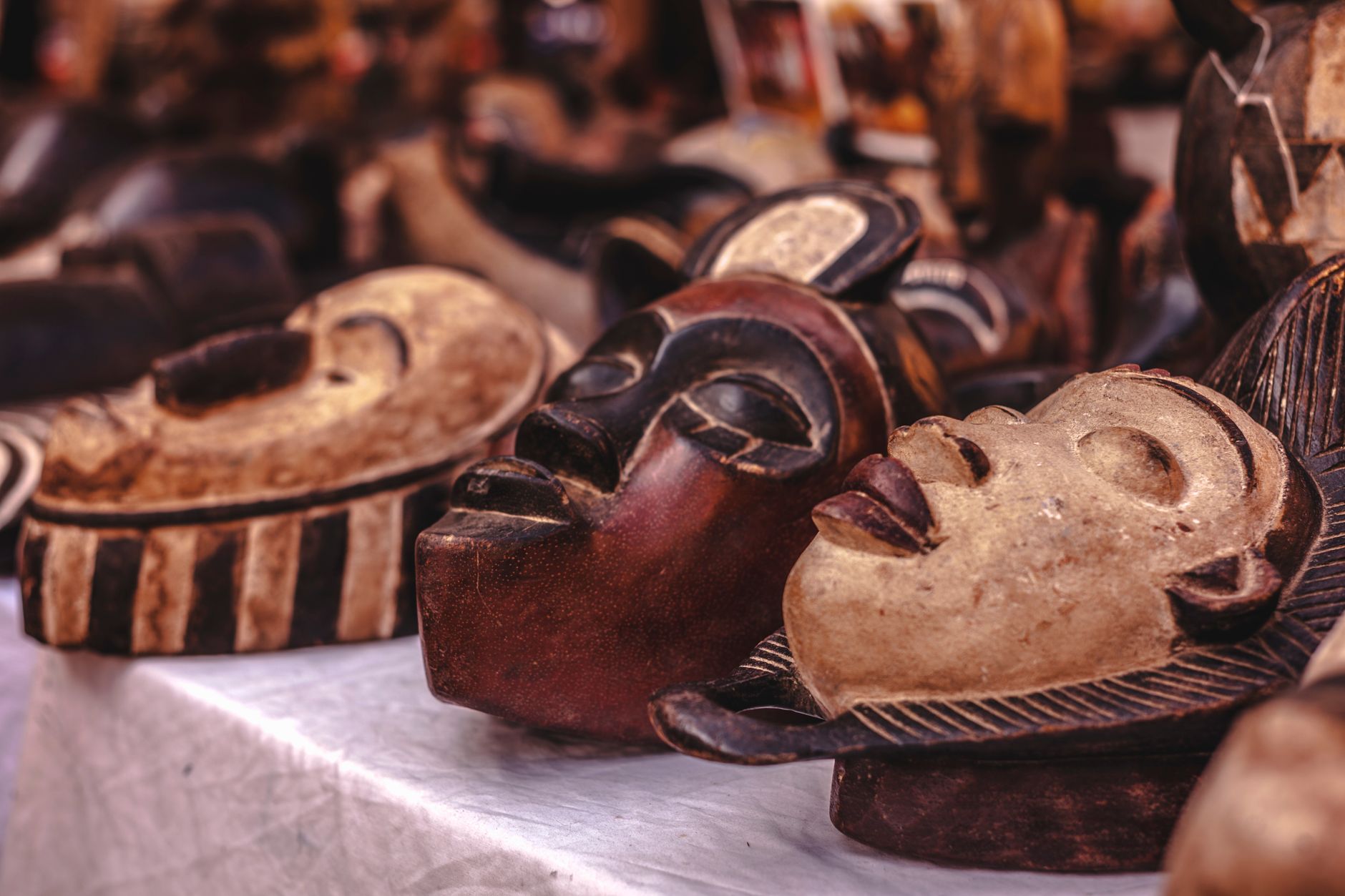
Photo by Francesco Paggiaro on Pexels
The Yaka People's Deadly Masks
On January 12, 1975, Belgian anthropologist Luc de Heusch documented a Yaka mask ceremony in the village of Kuanga, Congo. De Heusch witnessed a masked dancer, known as a "mbudi," who was believed to possess the power to kill with a single glance. This incident highlights the Yaka people's deep-seated conviction that their masks can be lethal. Historian Jan Vansina, in his book "Kingdoms of the Savanna," notes that the Yaka people's mask-making tradition dates back to the 16th century.
What Everyone Knows
Most people think that the Yaka people's masks are merely decorative or used for ceremonial purposes. The standard story goes that these masks are worn during initiation rituals and dances to represent ancestral spirits or to communicate with the dead. However, this oversimplifies the complex significance of masks in Yaka culture. Historian Anne-Marie Bouttiaux, in her study of Yaka art, suggests that there is more to the masks than meets the eye.
What History Actually Shows
Historians like Jan Vansina and Anne-Marie Bouttiaux have extensively studied the Yaka people's mask-making traditions. On June 15, 1950, Vansina conducted an interview with a Yaka elder, who revealed that the masks were believed to possess supernatural powers. The elder explained that the masks were created through a secret ritual, involving the use of sacred materials and the invocation of ancestral spirits. The Yaka people believed that their masks could kill because they were infused with the power of the "nganga," a type of sorcerer who could harness the power of the spirits. De Heusch, in his 1975 study, observed that the Yaka people took great care to conceal their masks from outsiders, fearing that they could be used for malicious purposes. By 1980, the Yaka people's mask-making tradition had become increasingly secretive, with only a select few allowed to participate in the creation and use of the masks. As historian Robert Brain notes in his book "Art and Society in Africa," the Yaka people's masks were not just objects of beauty, but also instruments of power and protection. The Yaka people's belief in the deadly power of their masks is rooted in their complex spiritual system, which emphasizes the interconnectedness of the physical and spiritual worlds. By examining the historical context and cultural significance of the Yaka people's masks, it becomes clear that their belief in the masks' deadly power is not just a superstition, but a deeply held conviction that is central to their worldview.
The Part That Got Buried
Historians like Jan Vansina and anthropologists such as Wyatt MacGaffey did not thoroughly investigate the Yaka people's mask traditions, which led to a significant lack of understanding about their beliefs. The decision by the Belgian colonial administration to suppress indigenous practices and impose European customs also played a significant role in burying this story. Specifically, the administration's efforts to convert the Yaka people to Christianity resulted in the destruction of many masks and the silencing of Yaka storytellers, making it difficult for researchers to gather accurate information about the masks' significance. As a result, the true meaning and power of the Yaka masks were not fully captured in historical records, which were often written by outsiders who did not grasp the complexity of Yaka culture.
The Ripple Effect
The suppression of the Yaka people's mask traditions had a direct impact on the community, leading to a loss of cultural heritage and identity. The Yaka people's inability to practice their traditional rituals and ceremonies affected their social and spiritual well-being, as many young people began to abandon their ancestral customs. A specific modern consequence of this is the difficulty that contemporary Yaka artists face in creating authentic masks, as they must rely on fragmented knowledge and incomplete records of their ancestors' techniques. For example, the masks created by Yaka artists today are often intended for tourist markets rather than traditional use, which has altered the cultural significance of these objects.
The Line That Says It All
The Yaka people's masks, once believed to hold the power to kill, are now largely relegated to decorative pieces, stripped of their original significance and cultural context.
A Note on Sources
This article draws on historical records, documented accounts, and academic research related to the cultural traditions of the Yaka people of Congo.


