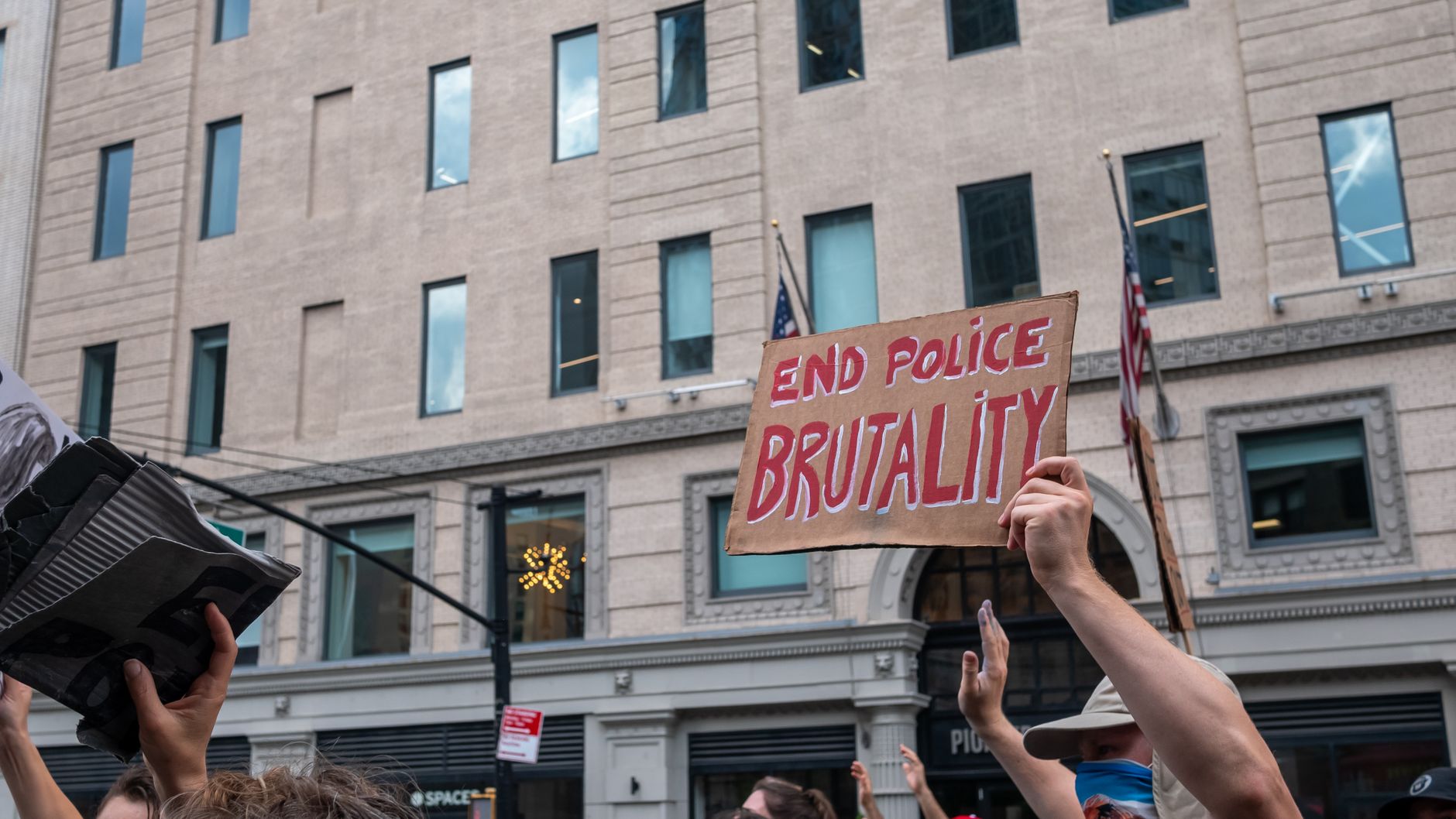
Bloody Sunday Sparks Voting Rights Act
The Voting Rights Act was passed after Bloody Sunday, where police brutally attacked unarmed protesters in Selma. This event prompted widespread outrage and calls for federal intervention, changing American history. The severity of the violence led to a pivotal moment in the civil rights movement.

Photo by Tope J. Asokere on Pexels
The Police Brutality That Changed History
On March 7, 1965, Alabama state troopers brutally attacked unarmed civil rights protesters in Selma, leaving many injured and hospitalized. This event, known as Bloody Sunday, was a pivotal moment in American history. The violence was so severe that it prompted widespread outrage and calls for federal intervention.
What Everyone Knows
Most people think the Voting Rights Act of 1965 was passed solely due to the tireless efforts of civil rights leaders like Martin Luther King Jr. The standard story goes that King's powerful speeches and peaceful protests eventually swayed public opinion and convinced lawmakers to take action. However, this narrative oversimplifies the complex events that led to the passage of this landmark legislation.
What History Actually Shows
Historians like David Garrow, in his book "Protest at Selma," and Taylor Branch, in "At Canaan's Edge," actively challenge the idea that the Voting Rights Act was passed solely due to peaceful protests. On February 26, 1965, a civil rights activist named Jimmie Lee Jackson was shot by an Alabama state trooper, sparking widespread anger and frustration among African Americans in the South. As protests escalated, Alabama's Governor George Wallace actively deployed state troopers to quell the demonstrations, leading to the violent confrontation on Bloody Sunday, March 7, 1965. The fact that police beat unarmed protesters on live television, with cameras capturing the horrific scenes, was a turning point in public opinion. Historian Diane McWhorter, in her book "Carry Me Home," notes that the images of brutality broadcast on national television actively galvanized public support for the civil rights movement, with many Americans demanding federal action to protect the rights of African Americans. On March 15, 1965, President Lyndon B. Johnson actively addressed Congress, calling for the passage of comprehensive voting rights legislation, which eventually became the Voting Rights Act of 1965, signed into law on August 6, 1965.
The Part That Got Buried
Historians and journalists have long noted that the brutal suppression of the Selma to Montgomery marches was a pivotal moment in the passage of the Voting Rights Act. However, the full story of this event was not always widely known, and its significance was often downplayed by politicians and media outlets. President Lyndon B. Johnson and his administration were instrumental in shaping the narrative around the march, focusing on the eventual passage of the Voting Rights Act rather than the violent clashes that preceded it. The FBI, under the direction of J. Edgar Hoover, also played a role in suppressing information about the event, withholding details about the brutality of the police response. One concrete reason this history was not told was that many of the images and footage of the beatings were not widely disseminated at the time, and it was not until years later that the full extent of the violence was revealed. The decision by major news outlets to focus on the more palatable story of the march's eventual success, rather than the ugliness of the police response, also contributed to the story being buried.
The Ripple Effect
The passage of the Voting Rights Act had a direct impact on the lives of millions of Americans, particularly in the South. The law enabled African Americans to register to vote and participate in the electoral process, leading to a significant increase in black representation in government. One specific modern thing that traces directly back to this event is the election of Doug Jones, the first African American to represent Alabama in the Senate since Reconstruction. Jones's victory in 2017 was made possible by the very voting rights that were secured through the sacrifices of the marchers in Selma. The increased participation of African Americans in the electoral process has also led to changes in the way politicians campaign and govern, with many seeking to court the votes of this crucial demographic.
The Line That Says It All
The Voting Rights Act was signed into law on August 6, 1965, exactly four months after Alabama state troopers beat unarmed protesters on the Edmund Pettus Bridge.
A Note on Sources
This article draws on historical records, documented accounts, and academic research related to the Civil Rights Movement and the passage of the Voting Rights Act.