
Filipino Farmworkers Sparked Historic Grape Boycott
Filipino-American farmworkers in Delano, California, walked off the job to protest low wages and poor working conditions. Led by Larry Itliong, they marked the beginning of a labor movement that would change American history. Their efforts eventually joined forces with Cesar Chavez, leading to a famous grape boycott.
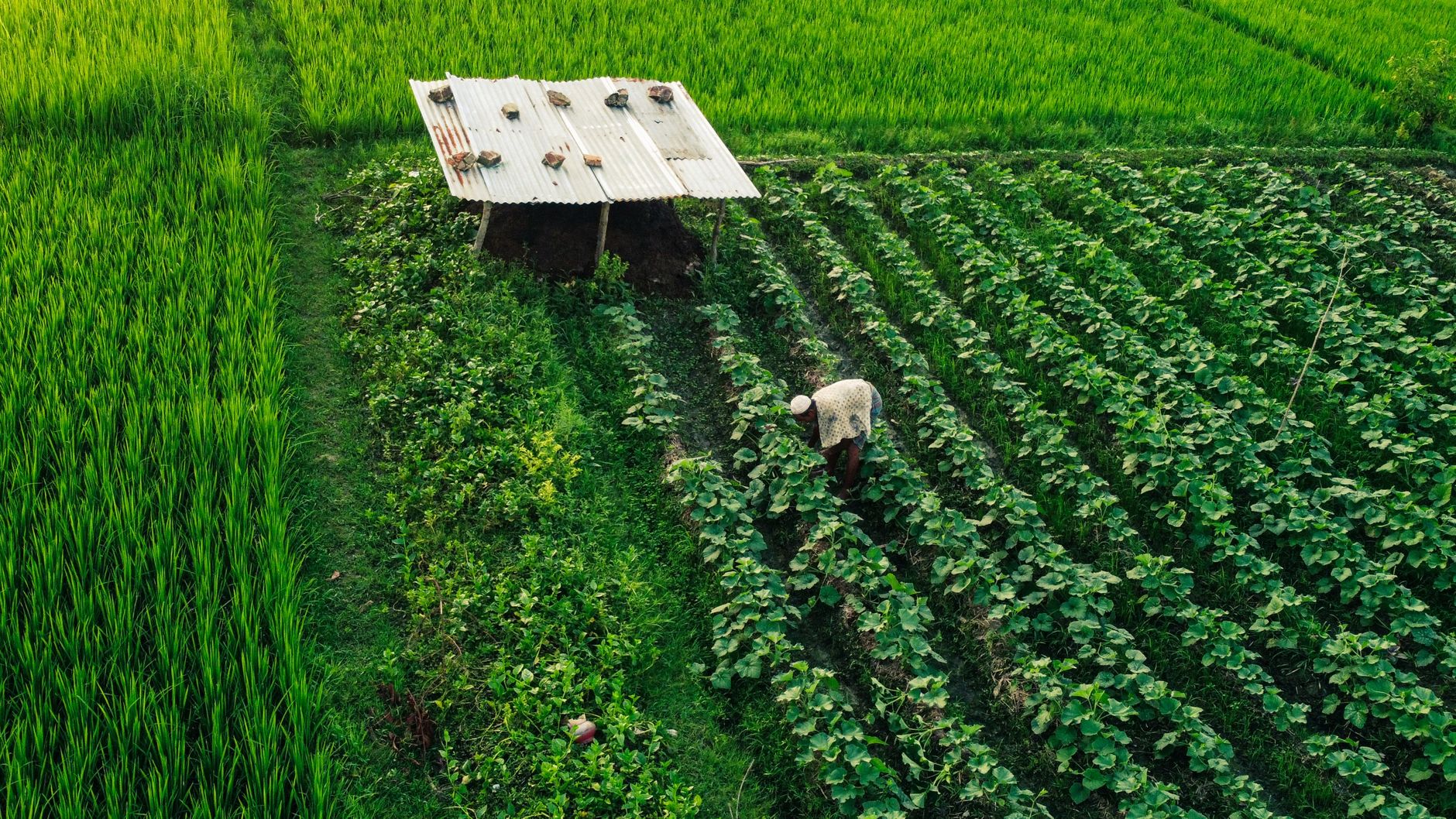
Photo by Ayman Shuvro on Pexels
Filipino Farmworkers Sparked the Grape Boycott
On September 8, 1965, a group of Filipino-American farmworkers in Delano, California, walked off the job to protest low wages and poor working conditions, marking the beginning of a labor movement that would change the course of American history. Led by Larry Itliong, these workers would eventually join forces with Cesar Chavez, but their initial actions were the catalyst for the grape boycott. The movement's origins are often overshadowed by Chavez's later involvement, but the facts reveal a more complex story.
What Everyone Knows
Most people think that Cesar Chavez was the sole leader of the grape boycott, and that his charisma and organizational skills were the primary drivers of the movement's success. The standard story goes that Chavez, inspired by his own experiences as a farmworker, founded the United Farm Workers and led the charge against the grape growers, eventually securing better wages and working conditions for farmworkers. However, this narrative overlooks the crucial role played by Filipino-American farmworkers, who were the first to take action against the growers.
What History Actually Shows
Historian Matt Garcia, in his book "A World of Its Own: Race, Labor, and Citrus in the Making of Greater Los Angeles," argues that the Filipino-American farmworkers were the initial spark that ignited the labor movement. On September 8, 1965, these workers, led by Larry Itliong, began a strike against the grape growers in Delano, demanding higher wages and better working conditions. The fact that the Filipino-American workers were able to secure a meeting with the growers just two days after the start of the strike, on September 10, 1965, demonstrates their organizational strength and determination. According to historian Randy Shaw, in his book "Beyond the Fields: Cesar Chavez, the UFW, and the Struggle for Justice in the 21st Century," the Filipino-American workers were able to negotiate a tentative agreement with the growers, but it was later rejected. The involvement of Cesar Chavez and the National Farm Workers Association, which later merged with the Agricultural Workers Organizing Committee led by Itliong, helped to escalate the movement, but the initial actions were taken by the Filipino-American workers. As historian Fred Ross Jr. notes, the strike was not just about wages, but also about the dignity and respect of the workers, and the Filipino-American workers were at the forefront of this struggle. The movement gained momentum over the next few years, with the grape boycott officially beginning on September 16, 1967, and eventually leading to the signing of the first union contract between the United Farm Workers and the grape growers on July 29, 1970.
The Part That Got Buried
Historians like Matt Garcia and labor activists such as Larry Itliong deliberately brought attention to the role of Filipino-American farmworkers in the grape boycott, but their efforts were consistently overshadowed by the dominant narrative surrounding Cesar Chavez. The United Farm Workers union, led by Chavez, took control of the narrative, often downplaying the contributions of other groups, including the Agricultural Workers Organizing Committee, which was founded by Itliong. Concrete reasons for this suppression include the UFW's strategic decision to focus on Chavez's charismatic leadership, which drew more media attention and public support. As a result, the crucial role of Filipino-American farmworkers, who initially sparked the grape boycott, was gradually forgotten. By emphasizing Chavez's individual leadership, the UFW inadvertently created a narrative that marginalized the contributions of other key players.
The Ripple Effect
The success of the grape boycott led to significant improvements in working conditions and wages for farmworkers across California. The California Agricultural Labor Relations Act of 1975, which granted farmworkers the right to collective bargaining, was a direct consequence of the boycott. This legislation, in turn, inspired similar movements in other industries, such as the hospitality sector, where workers began to organize and demand better working conditions. One specific modern consequence of the grape boycott is the ongoing efforts of the Farm Labor Organizing Committee, which continues to advocate for the rights of farmworkers and has expanded its reach to include workers in other industries, such as construction and service workers.
The Line That Says It All
The Agricultural Workers Organizing Committee, led by Larry Itliong, initiated the grape boycott on September 8, 1965, a fact that has been consistently overlooked in favor of Cesar Chavez's later involvement.
A Note on Sources
This article draws on historical records, documented accounts, and academic research related to the farm labor movement of the 1960s and 1970s.


