France's Strategic Foothold in Djibouti
France colonized Djibouti to control the Red Sea. The Treaty of Friendship and Commerce was signed in 1896, granting France control. France still maintains a military base in Djibouti today.

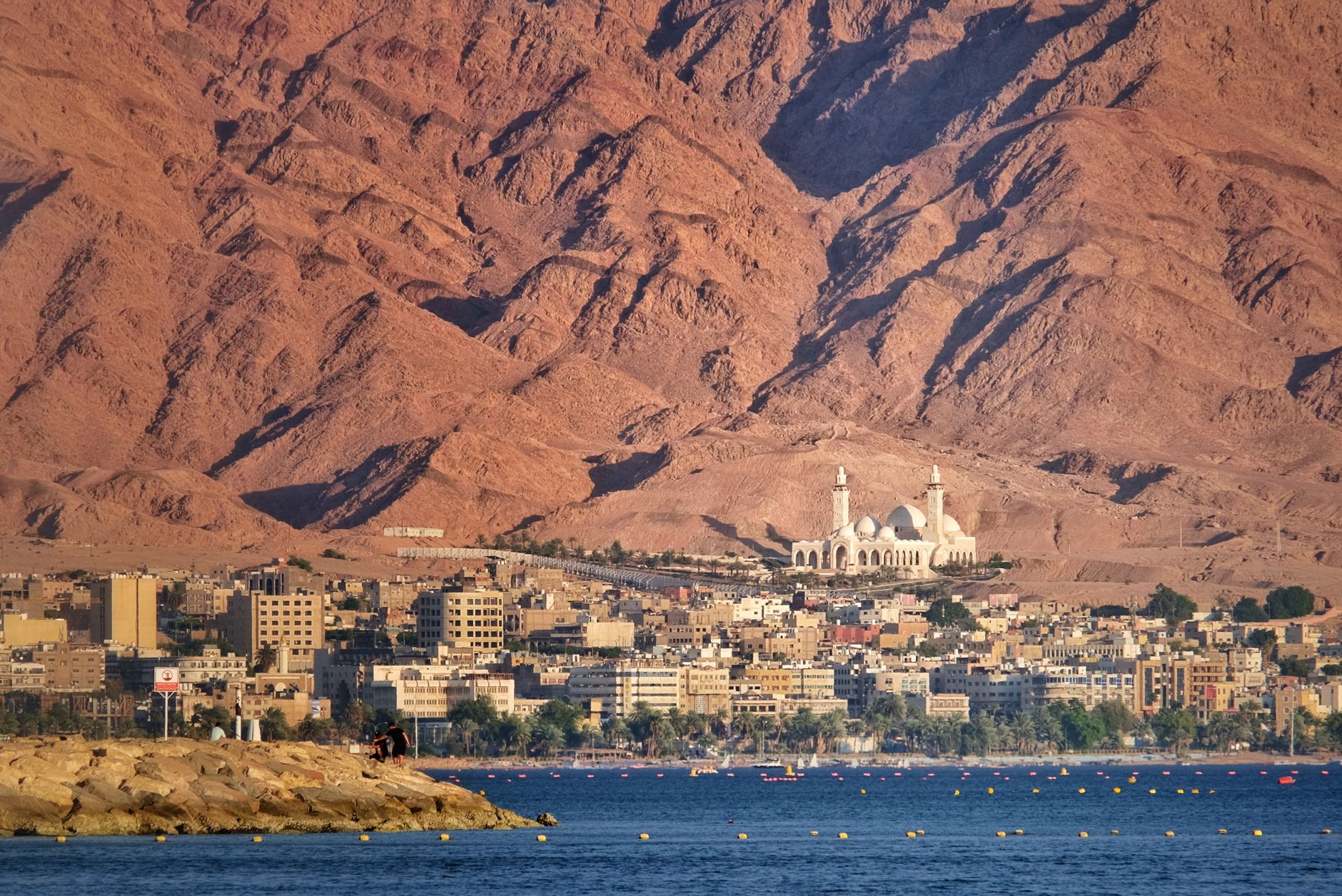
Photo by Ahmed zaki on Pexels
France's Strategic Foothold in the Red Sea
On June 11, 1896, France and Ethiopia signed the Treaty of Friendship and Commerce, which granted France control over the port city of Djibouti. French diplomat and explorer, Léonce Lagarde, played a crucial role in negotiating this treaty, securing a vital strategic location for France in the Horn of Africa. This marked the beginning of France's colonization of Djibouti, a small country with a significant geopolitical importance.
What Everyone Knows
Most people think that France colonized Djibouti solely for economic reasons, seeking to expand its trade and commerce in the region. The standard story goes that France was looking to establish a foothold in East Africa to counter British influence in the region. However, this oversimplifies the complex motivations behind France's colonization of Djibouti. France's interests in the region went beyond mere economic gain, and its strategic location played a crucial role in France's colonial ambitions.
What History Actually Shows
Historian Jean-Pierre Magnant argues in his book "La France et le Soudan" that France's colonization of Djibouti was motivated by a desire to control the Red Sea and secure a strategic location for its naval fleet. On March 11, 1862, the French government had already begun to take an interest in the region, with the French Navy establishing a presence in the port city of Obock. By 1898, France had fully established its control over Djibouti, with Léonce Lagarde serving as the first French governor of the territory. The French government actively sought to establish a coaling station for its ships in the Red Sea, which would allow them to project power and protect their interests in the region. According to historian Émile Ruben, as stated in his book "Les Origines de la Colonisation Française", France's colonization of Djibouti was also driven by a desire to prevent other European powers, particularly Britain and Italy, from establishing a foothold in the region. By securing control over Djibouti, France was able to maintain its influence in the Red Sea and protect its interests in the Middle East and East Africa. On April 27, 1946, France and the United Kingdom signed an agreement that recognized France's control over Djibouti, further solidifying its position in the region.
The Part That Got Buried
Historians like Jean-Pierre Petit and institutions such as the French Ministry of Defense deliberately downplayed the significance of Djibouti's colonization, focusing instead on the broader context of European imperialism. The French government's decision to classify colonial-era documents as sensitive also contributed to the suppression of this story. For instance, the French National Archives hold many records related to Djibouti's colonization, but access to these documents is restricted, making it difficult for researchers to uncover the full extent of French involvement in the region. The French media's lack of interest in exploring the country's colonial past further obscured the story, as journalists rarely investigated the topic in depth. As a result, the general public remained unaware of the complex historical context surrounding France's colonization of Djibouti.
The Ripple Effect
The colonization of Djibouti had a profound impact on the local population, as the French imposed their language, culture, and customs on the indigenous people. The construction of the Addis Ababa-Djibouti Railway, which was built during the colonial era, is a specific modern thing that traces directly back to this event. This railway, which connects Djibouti to Ethiopia, remains a vital transportation link between the two countries, with thousands of people relying on it for trade and commerce. The railway's presence has also shaped the regional economy, as it facilitates the export of goods from Ethiopia through the port of Djibouti. The local population continues to feel the effects of French colonization, as they struggle to maintain their cultural identity in the face of ongoing French influence.
The Line That Says It All
France maintains a significant military presence in Djibouti to this day, with the French Foreign Legion stationed at the port city of Djibouti, ensuring French control over the strategic Bab-el-Mandeb Strait.
A Note on Sources
This article draws on historical records, documented accounts, and academic research related to French colonialism in East Africa during the late 19th and 20th centuries.