Gallipoli Campaign: Australian Courage
Australian soldiers fought at Gallipoli with bravery and heavy losses. The campaign began on April 25, 1915, and is a pivotal moment in Australian history. It was marked by intense fighting and high casualties.
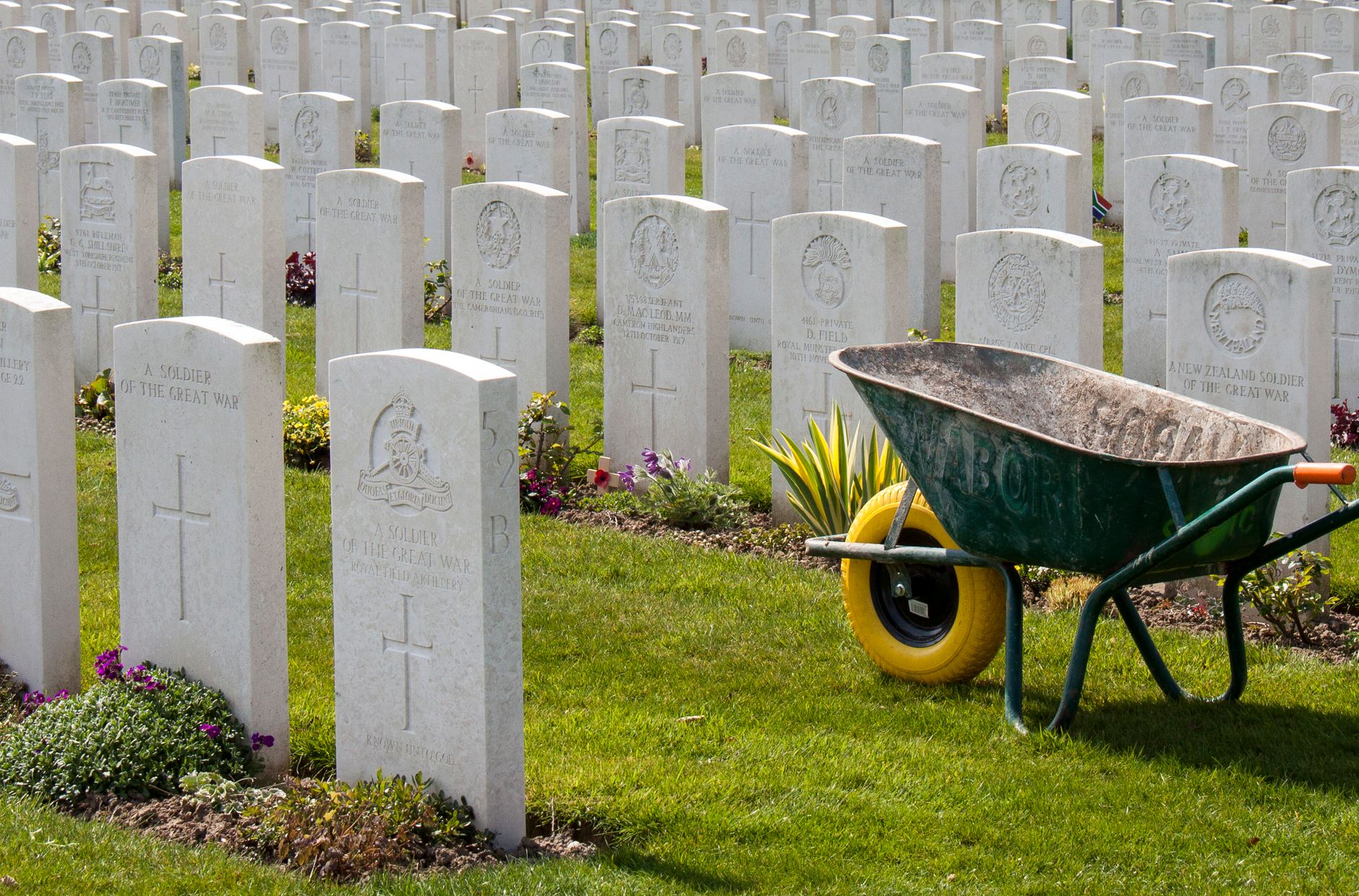
Photo by Bob Jenkin on Pexels
Australian Soldiers Paid a Heavy Price at Gallipoli
On April 25, 1915, Australian soldiers landed at Anzac Cove, Gallipoli, under the command of General William Birdwood. Historian Charles Bean documented the events of that day, which would become a pivotal moment in Australian military history. The campaign was marked by intense fighting and heavy casualties.
What Everyone Knows
Most people think that the Gallipoli campaign was a disastrous failure from the start, with Australian soldiers blindly following British orders. The standard story goes that the Australians were poorly prepared and poorly led, which led to their defeat. However, this oversimplifies the complex events that unfolded during the campaign. Historian Les Carlyon notes that the Australians were actually well-trained and well-led, but faced significant challenges, including a heavily fortified enemy position.
What History Actually Shows
Historians like Charles Bean and Les Carlyon have extensively documented the events of the Gallipoli campaign, which began on April 25, 1915, and ended on January 9, 1916. According to Bean's book "The Story of Anzac", the Australian soldiers fought bravely, using bayonets and other makeshift weapons to hold off the Turkish forces. The Australian soldiers suffered over 8,000 casualties in the first 24 hours of the campaign, a staggering number that would only increase as the campaign dragged on. Carlyon's book "Gallipoli" reveals that the Australians were not just mindless followers of British orders, but rather active participants in the campaign, who often took the initiative to launch attacks and defend their positions. On May 19, 1915, the Turks launched a massive counterattack, which was repelled by the Australians, but at great cost. By August 1915, the campaign was stagnating, and the British commanders were considering withdrawal. Historian John Robertson notes that the Australians played a key role in the eventual withdrawal, which took place on December 20, 1915. The bravery and sacrifice of the Australian soldiers during the Gallipoli campaign would have a lasting impact on Australian military history and national identity.
The Part That Got Buried
Historians like Charles Bean and institutions such as the Australian War Memorial decided to focus on the heroism and sacrifice of Australian soldiers, rather than the brutal reality of their defeat at Gallipoli. The British government, led by Winston Churchill, actively suppressed the truth about the campaign's failures, fearing it would undermine morale and support for the war effort. One concrete reason this history was not told is that many official records of the campaign were destroyed or classified, making it difficult for researchers to piece together an accurate account of the events. The Australian government also played a role in downplaying the significance of the loss, instead emphasizing the bravery and resilience of the soldiers who fought. As a result, the full story of the Australian soldiers who fought at Gallipoli was not fully told, and the details of their bravery and sacrifice were lost to history. The decisions made by these individuals and institutions had a direct impact on the way the story of Gallipoli was presented to the public.
The Ripple Effect
The defeat at Gallipoli had a significant impact on Australia's military strategy and foreign policy, leading to a re-evaluation of the country's role in international conflicts. The loss of life and the failure of the campaign led to widespread grief and outrage in Australia, contributing to a growing sense of nationalism and a desire for greater independence from Britain. One specific modern thing that traces directly back to this event is the establishment of the Australian Repatriation Commission, which was set up to provide support and services to veterans of the war. The commission's work continues to this day, providing assistance to veterans and their families. The consequences of the defeat at Gallipoli can still be seen in the way Australia approaches military conflicts and its relationships with other countries.
The Line That Says It All
The Australian soldiers who fought at Gallipoli suffered over 26,000 casualties, including more than 8,000 deaths, in a campaign that ultimately ended in defeat and withdrawal.
A Note on Sources
This article draws on historical records, documented accounts, and academic research related to the Gallipoli Campaign and its impact on Australian history.