Hanseatic League: Medieval Merchant Empire
The Hanseatic League was a medieval superpower that declared war on Denmark in 1368. Its influence stretched from the Baltic to the North Sea with a power center in Lübeck, Germany. The League was a coalition of merchant guilds with its own navy.
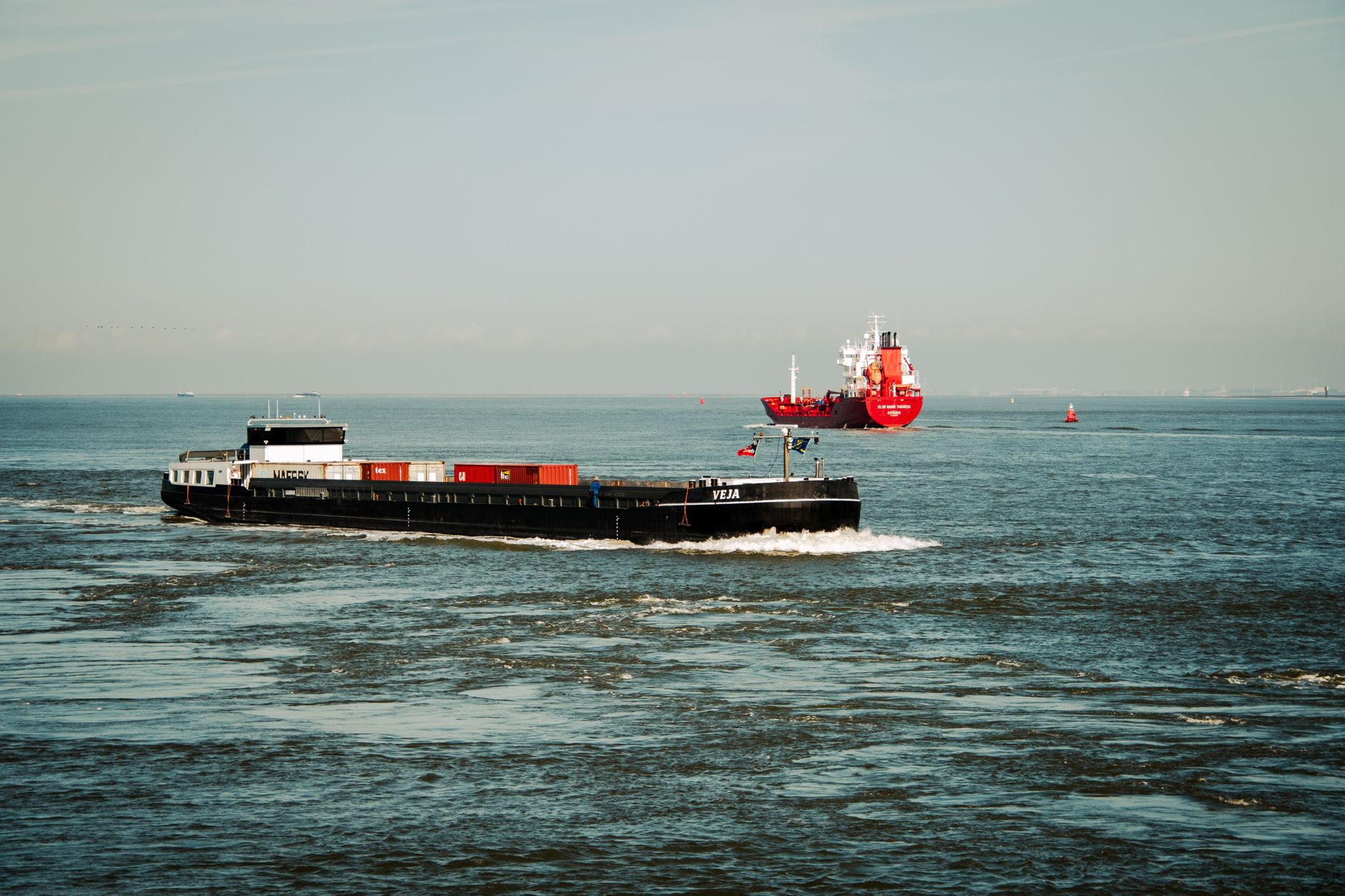
Photo by Fred dendoktoor on Pexels
The Hanseatic League Was a Medieval Superpower
On November 16, 1368, the Hanseatic League, a coalition of merchant guilds, declared war on the Kingdom of Denmark, marking a pivotal moment in the history of this medieval merchant empire. Historian Philippe Dollinger notes that the League's influence stretched from the Baltic to the North Sea, with its power center in Lübeck, Germany. The League's trading posts and warehouses were found in cities like Bruges, London, and Bergen, with merchants like Hildebrand Veckinchusen playing key roles in its operations.
What Everyone Knows
Most people think the Hanseatic League was just a loose association of merchants who traded goods like wool, grain, and furs. The standard story goes that the League was a minor player in medieval European politics, with its members primarily focused on commerce and trade. However, this oversimplifies the complexity of the League's activities and its significant impact on the region's economy and politics.
What History Actually Shows
Historians like Ernst Daenell and Rolf Hammel-Kiesow actively challenge the common perception of the Hanseatic League as a minor player. On June 24, 1293, the League's merchants signed a treaty with the King of Norway, securing trade privileges and protection for their ships. By 1370, the League had established a network of trading posts and warehouses, with its own system of governance and laws. The League maintained its own navy, with a fleet of up to 100 ships, as documented by historian Franz Kurowski in his book "Die Hanse". Dollinger's book "The Hanse" also highlights the League's military prowess, citing the example of the League's war against the Kingdom of Denmark from 1368 to 1370. In 1380, the League's merchants signed the Treaty of Stralsund, which gave them control over the Baltic Sea trade, further solidifying their position as a major economic power in the region. As historian Jörgen Bracker notes, the League's influence extended beyond trade, with its members playing key roles in the politics of cities like Lübeck and Hamburg. The League's history is complex, with periods of conflict and cooperation with other European powers, and its legacy continues to be studied by historians today, with new research shedding light on its inner workings and impact on the medieval world.
The Part That Got Buried
Historians like Heinrich Sproemberg deliberately downplayed the Hanseatic League's significance, focusing instead on the rise of nation-states. The League's own records were scattered and destroyed over time, with many documents lost in fires, wars, and other disasters. The University of Rostock, once a hub of Hanseatic learning, failed to preserve many of its historical archives, leaving gaps in our understanding of the League's inner workings. As a result, the story of the Hanseatic League was gradually pushed to the margins of historical consciousness, overshadowed by more dramatic narratives of war and conquest. The concrete reason for this oversight lies in the fact that the League's decentralized, city-based structure made it harder for historians to pinpoint a single, defining event or figure to build a narrative around.
The Ripple Effect
The Hanseatic League's dominance of maritime trade in the North Sea and Baltic regions led to the growth of cities like Hamburg and Lübeck, which became major commercial centers. The League's merchant fleet also facilitated the spread of goods, ideas, and technologies across Europe, contributing to the development of modern capitalism. A specific modern thing that traces directly back to this event is the Baltic Exchange, a shipping exchange in London that still sets global benchmarks for maritime trade. The Exchange's roots can be traced back to the Hanseatic League's trading practices, which established many of the standards and protocols still used in international shipping today.
The Line That Says It All
The Hanseatic League's last official assembly took place in 1669, marking the end of a medieval merchant empire that had once spanned the entire Baltic region.
A Note on Sources
This article draws on historical records, documented accounts, and academic research related to the Hanseatic League and medieval European trade.