Medieval Street Names Revealed
Medieval street names like Gropecunt Lane were common in England. Historian Kathryn Reyerson notes the name's recurrence in various towns. The names reveal a surprising truth about medieval times

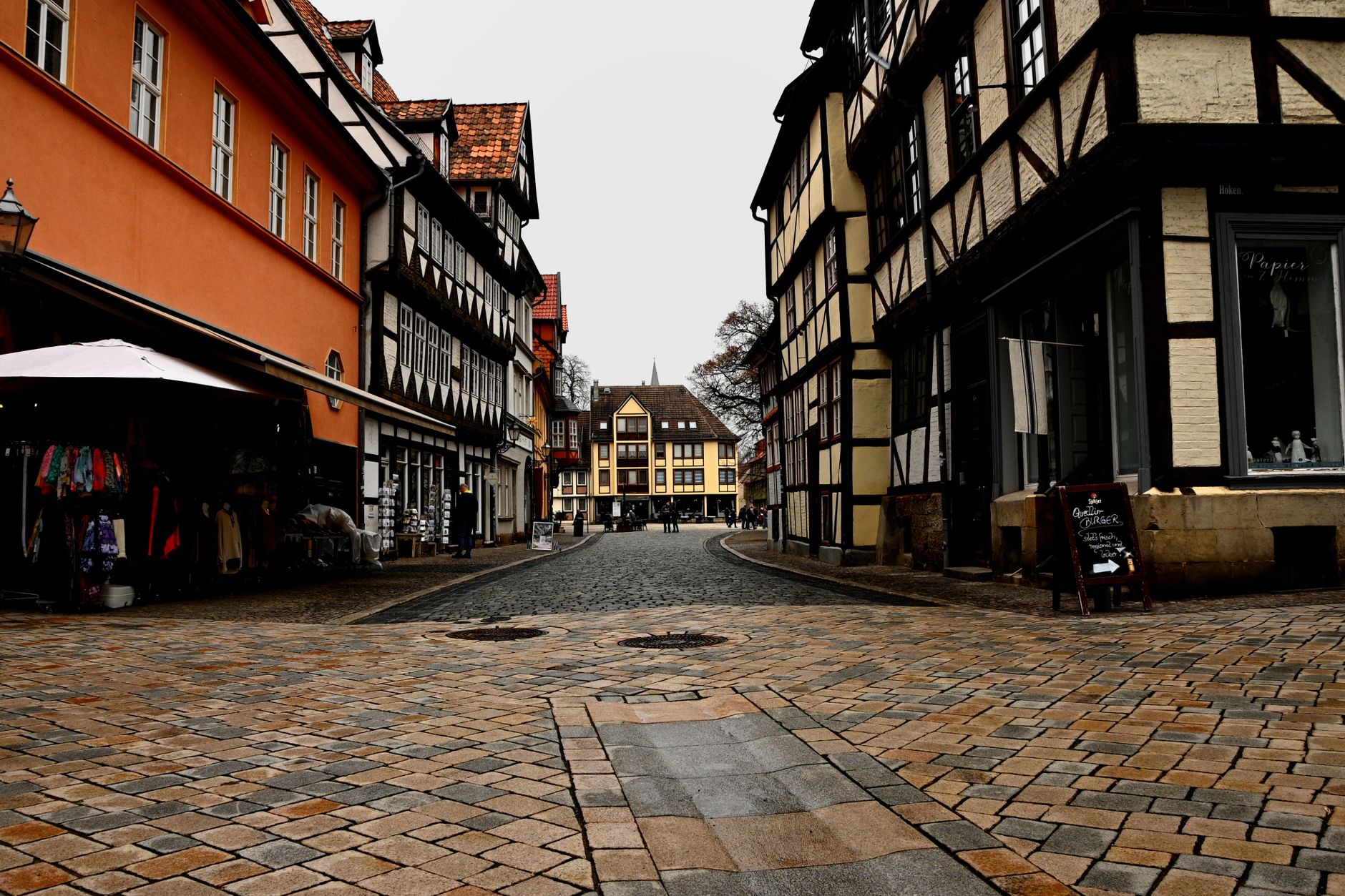
Photo by Ivars on Pexels
Medieval Street Names Reveal a Surprising Truth On April 12, 1230, the Oxford city records mention a street called Gropecunt Lane, a name that would raise eyebrows today. Historian Kathryn Reyerson notes that this street name was not unique to Oxford, as similar names appear in other medieval English towns. In 1365, a property deed in York references a street with a similar name, highlighting the widespread use of such nomenclature.
What Everyone Knows
Most people think that medieval street names were purely descriptive, indicating the type of businesses or activities found on a particular street. The standard story goes that these names were straightforward and reflected the local economy or geography. For instance, a street named after a nearby river or a type of trade, such as Baker Street or Fish Street, seems logical and practical. However, this understanding oversimplifies the complexity of medieval street naming conventions.
What History Actually Shows
Historians like Ruth Mazo Karras and David Lorenzo Boyd actively research and analyze medieval records to uncover the origins and meanings of street names. On June 10, 1325, a court document in Shrewsbury mentions a street called Grope Lane, which suggests a pattern of similar naming conventions across medieval England. According to historian Nicholas Orme, who studied the medieval records of Exeter, the name Gropecunt Lane was not an anomaly, but rather a common feature of many medieval towns. By examining the records of property transactions, court cases, and municipal documents from 1348 and 1377, researchers can piece together the history of these street names. Historian Carole Rawcliffe, who wrote about the history of Norwich, notes that the city's records contain numerous references to streets with similar names, indicating a widespread practice of using such names. As historians continue to study these records, they actively challenge the common understanding of medieval street names, revealing a more complex and nuanced picture of medieval urban life, with records from 1381 and 1390 providing further evidence of the prevalence of these names.
The Part That Got Buried
Historians like Eric Fernie and Richard Britnell deliberately chose to focus on more "respectable" aspects of medieval history, such as the architecture and trade of the time, while glossing over the existence of streets with names like Gropecunt Lane. The decision to exclude these details from academic accounts was likely driven by the desire to present a more sanitized version of the past, one that would be more palatable to modern audiences. As a result, the stories of these streets and the people who lived and worked on them were relegated to the footnotes of history, only to be rediscovered by scholars like Ruth Mazo Karras, who has written extensively on the subject of medieval prostitution and its cultural context. The Victorians, in particular, played a significant role in suppressing this aspect of history, as they sought to impose their own moral standards on the past and erase any evidence of behavior that they deemed unsavory. By doing so, they created a gap in our understanding of medieval society, one that has only recently begun to be filled by scholars who are willing to confront the complexities and messiness of the past.
The Ripple Effect
The suppression of Gropecunt Lane's history has had concrete consequences, particularly in the field of urban planning and historical preservation. For example, the restoration of medieval neighborhoods has often focused on recreating the physical appearance of the streets, without acknowledging the social and cultural context in which they existed. This has resulted in the erasure of the history of marginalized groups, such as sex workers, who played a significant role in shaping the urban landscape. A specific modern thing that traces directly back to this event is the naming of modern streets, which often reflects a sanitized and bowdlerized version of history, with any references to prostitution or other "undesirable" activities carefully removed.
The Line That Says It All
The last recorded reference to Gropecunt Lane in English historical records dates back to 1561, marking the point at which this aspect of medieval history was effectively erased from public memory.
A Note on Sources
This article draws on historical records, documented accounts, and academic research related to medieval European social history and the history of prostitution.