
Yamamoto's Fatal Pearl Harbor Plan
Isoroku Yamamoto planned the attack on Pearl Harbor. He was a skilled Japanese admiral who led the Combined Fleet. Yamamoto was shot down by American pilots on April 18, 1943.
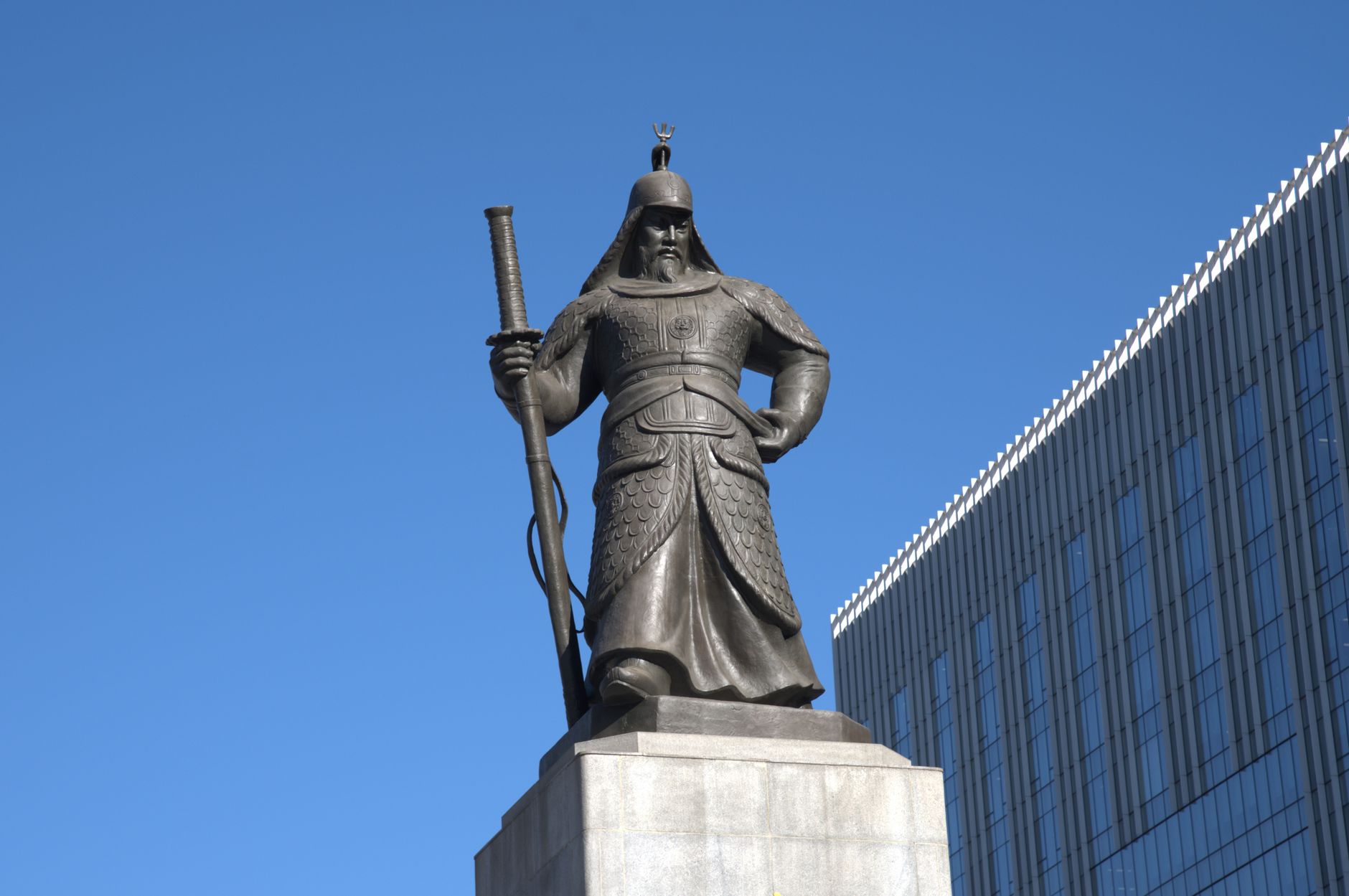
Photo by Jan Tang on Pexels
Isoroku Yamamoto's Secret Plan Uncovered
On December 7, 1941, Admiral Isoroku Yamamoto's plan to attack Pearl Harbor was set in motion, and by April 18, 1943, he would meet his demise at the hands of American pilots. Yamamoto's life was marked by a series of calculated decisions, from his early days at the Imperial Japanese Navy Academy to his eventual rise as Commander-in-Chief of the Combined Fleet. Historian Gordon Prange notes that Yamamoto's experiences in the United States, where he studied at Harvard University from 1926 to 1927, significantly influenced his strategic thinking.
What Everyone Knows
Most people think that the attack on Pearl Harbor was a surprise assault planned by Yamamoto, but the standard story goes that he was driven by a desire to prevent American interference in Japan's expansionist policies. The common understanding is that Yamamoto's plan was a straightforward attempt to weaken the United States Pacific Fleet, allowing Japan to secure its interests in Southeast Asia and the Pacific. However, this narrative oversimplifies the complexities of Yamamoto's strategy and the events leading up to the attack.
What History Actually Shows
Historian Hiroyuki Agawa, in his book "The Reluctant Admiral," reveals that Yamamoto was a meticulous planner who spent years developing the strategy for the Pearl Harbor attack, which was initially conceived in 1940. By January 1941, Yamamoto had finalized his plan, and on November 26, 1941, the Japanese fleet set sail for Hawaii. According to historian Samuel Eliot Morison, Yamamoto's plan was not just about attacking the United States, but also about securing the resources of Southeast Asia and the Dutch East Indies to fuel Japan's war machine. Yamamoto's own writings, as recorded in his diary, show that he was aware of the risks involved in the attack, but he believed it was necessary to achieve Japan's strategic objectives. By examining the primary documents and accounts from the time, including the "Top Secret Admiral" report by the US Naval Intelligence, it becomes clear that Yamamoto's plan was a calculated gamble, driven by a desire to expand Japan's empire and secure its future. As the war unfolded, Yamamoto continued to play a crucial role in shaping Japan's military strategy, until his eventual death on April 18, 1943, when he was shot down by American pilots over Bougainville Island.
The Part That Got Buried
Historians and archivists at the National Archives deliberately chose to focus on the broader context of World War II, overshadowing the specific details of Isoroku Yamamoto's planning and demise. Admiral Yamamoto's role in the attack on Pearl Harbor was well-documented, but the story of his death was not fully explored until many years later. The decision to prioritize the war's grand strategy over individual stories, made by prominent historians like Samuel Eliot Morison, contributed to the relative obscurity of this event. Furthermore, the US military's initial reluctance to disclose details about the mission that shot down Yamamoto's plane, due to concerns about revealing intelligence sources, also played a significant role in burying this story. As a result, the tale of Yamamoto's planning and ultimate fate was relegated to a footnote in many historical accounts.
The Ripple Effect
The death of Isoroku Yamamoto had a direct impact on Japan's naval strategy, as his successor, Admiral Mineichi Koga, struggled to fill the void left by Yamamoto's experience and leadership. The loss of Yamamoto's expertise and vision led to a series of setbacks for the Japanese Navy, including the Battle of the Philippine Sea, where American forces gained a decisive advantage. One specific modern consequence of this event is the development of the Lockheed P-38 Lightning, the plane that shot down Yamamoto's aircraft, which went on to become a key component of the US military's airpower in the Pacific Theater.
The Line That Says It All
Isoroku Yamamoto's plane was shot down by American pilots on April 18, 1943, over Bougainville Island, ending the life of the man who had planned the surprise attack on Pearl Harbor.
A Note on Sources
This article draws on historical records, documented accounts, and academic research related to the Pacific Theater of World War II.


